13 Survival Skills Everyone Should Learn Before Their Next Trip
You don’t need to be preparing for a worst case scenario to benefit from knowing a few basic survival skills. Most of these come up in smaller, less dramatic ways, a wrong turn on a trail, a sudden change in weather, gear that fails at the wrong moment.
Here are 13 skills I think everyone should know before their next trip outdoors, counted down to the one I’d put above all the rest.
13. How to Read a Map Without Relying on a Phone
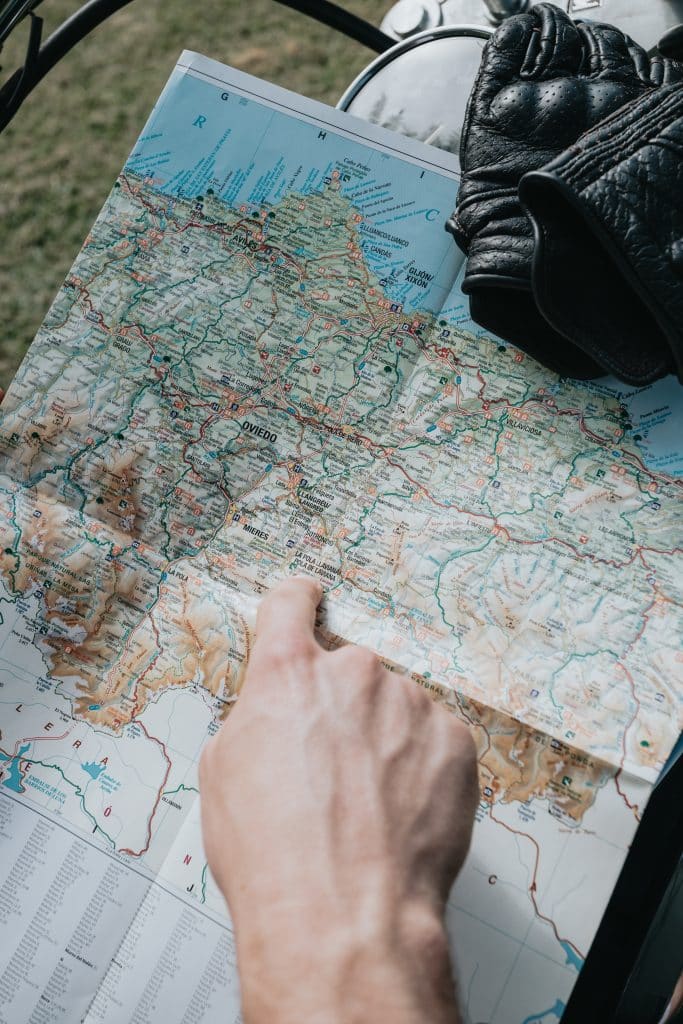
Phones die, lose signal, or just stop working at the worst possible time. Knowing how to read a physical map and orient it using landmarks or a compass is a basic skill that pays off the moment technology fails you.
It’s not complicated once you practice it a few times.
12. How to Purify Water in the Field
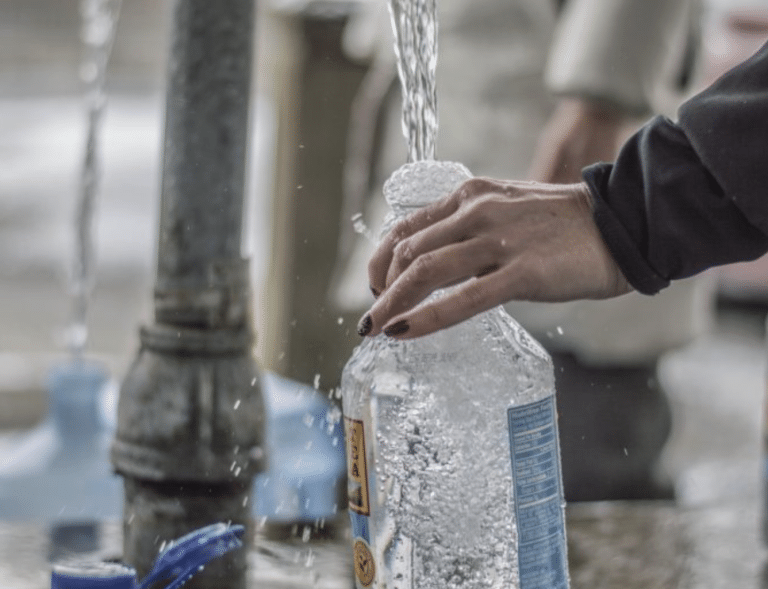
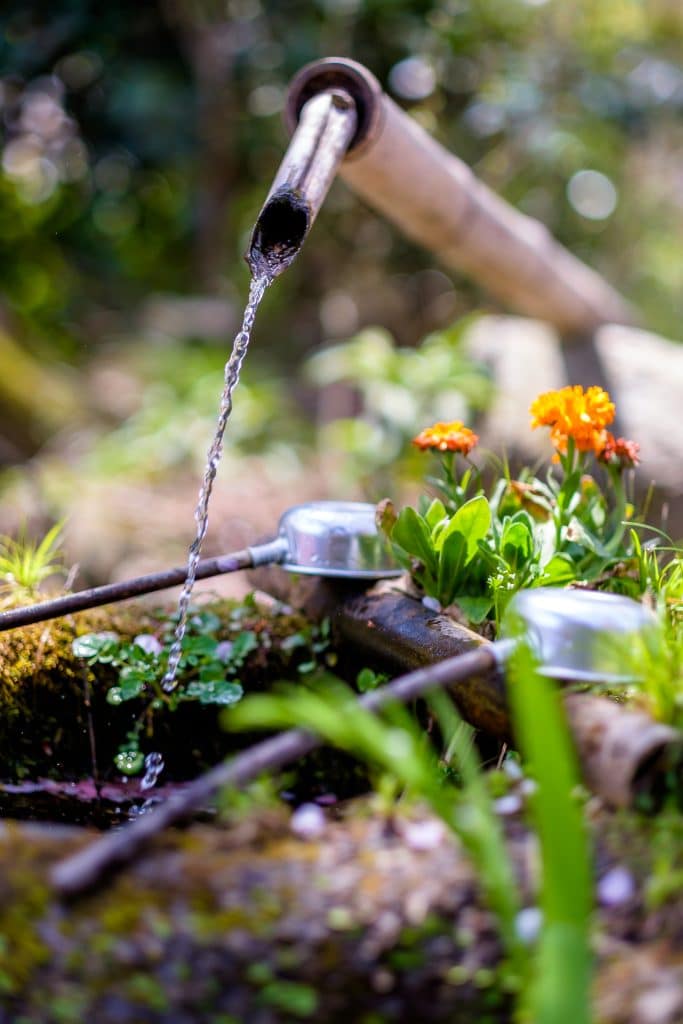
Knowing a couple of reliable ways to purify water, whether that’s boiling, a filter, or purification tablets, means you’re never stuck choosing between dehydration and risking untreated water. This is one of the most important skills on this entire list.
Always carry a backup method in case your first one fails.
11. How to Build a Basic Shelter
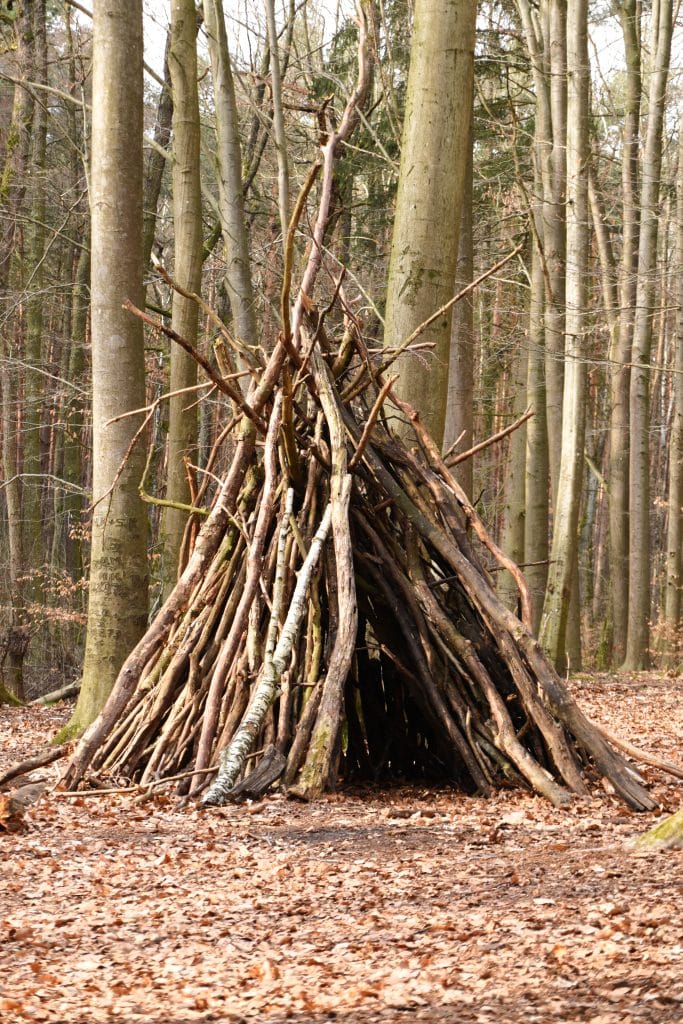
Even a simple lean-to or tarp shelter can make the difference between an uncomfortable night and a genuinely dangerous one if weather turns unexpectedly. You don’t need advanced skills, just an understanding of the basic principles.
Practicing this once at home makes it far less intimidating in the field.
10. How to Start a Fire in Wet Conditions
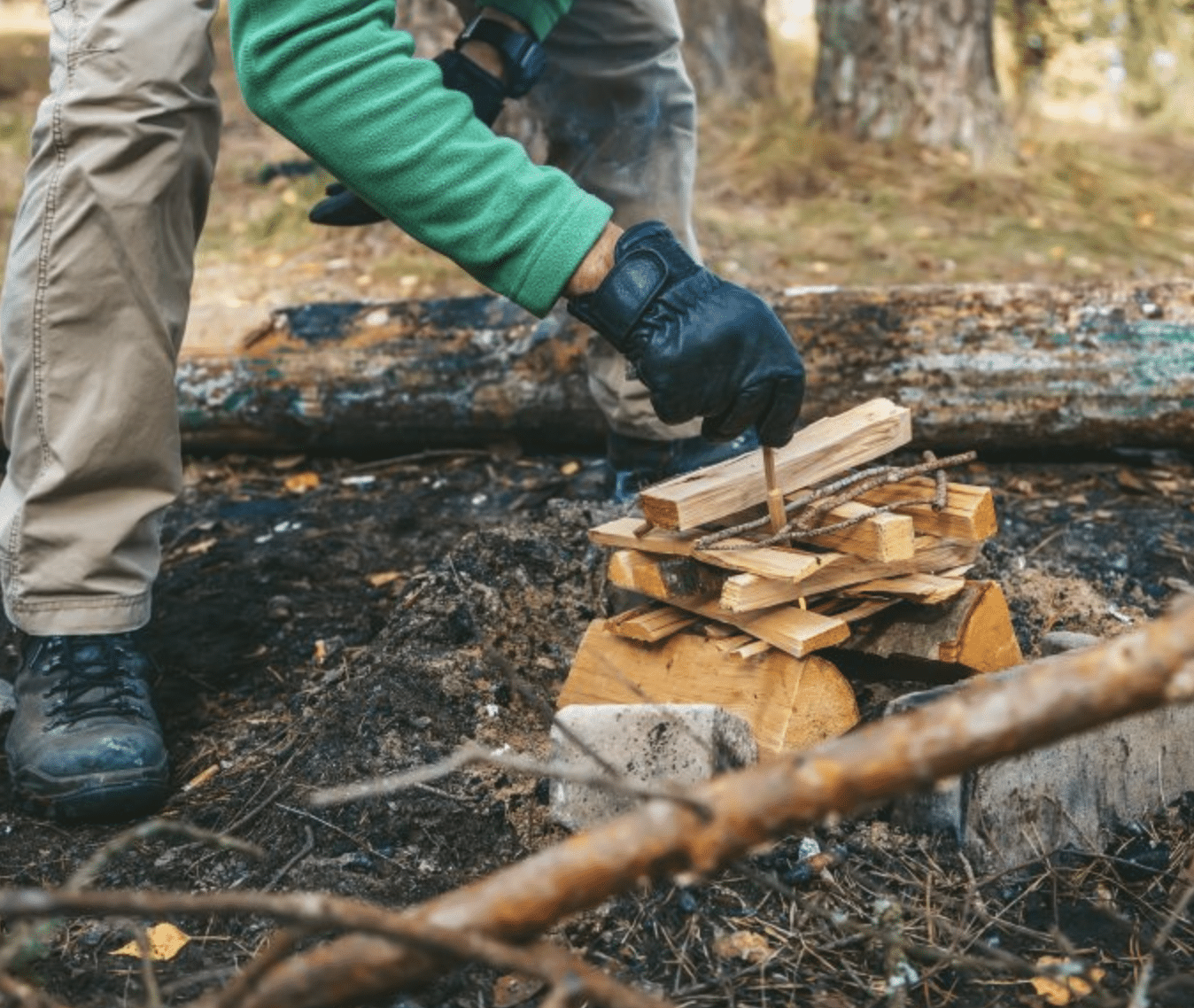
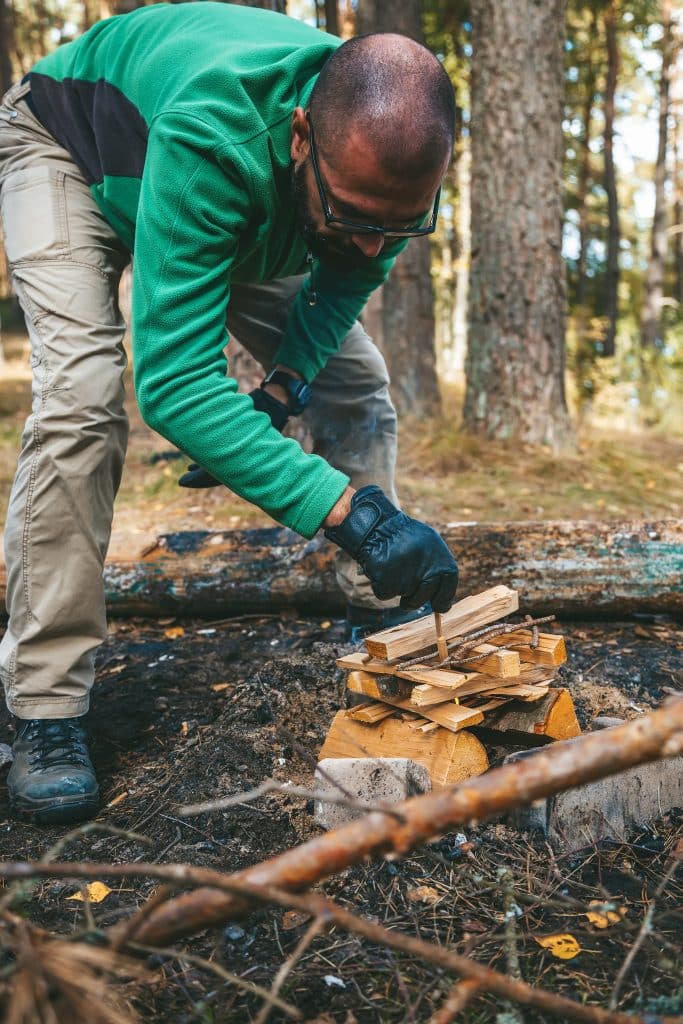
Anyone can start a fire on a dry, calm day. The real skill is doing it when everything around you is damp. Knowing how to find dry tinder, use fatwood, or carry a reliable fire starter changes everything in bad weather.
This is a skill worth practicing before you actually need it.
9. How to Signal for Help
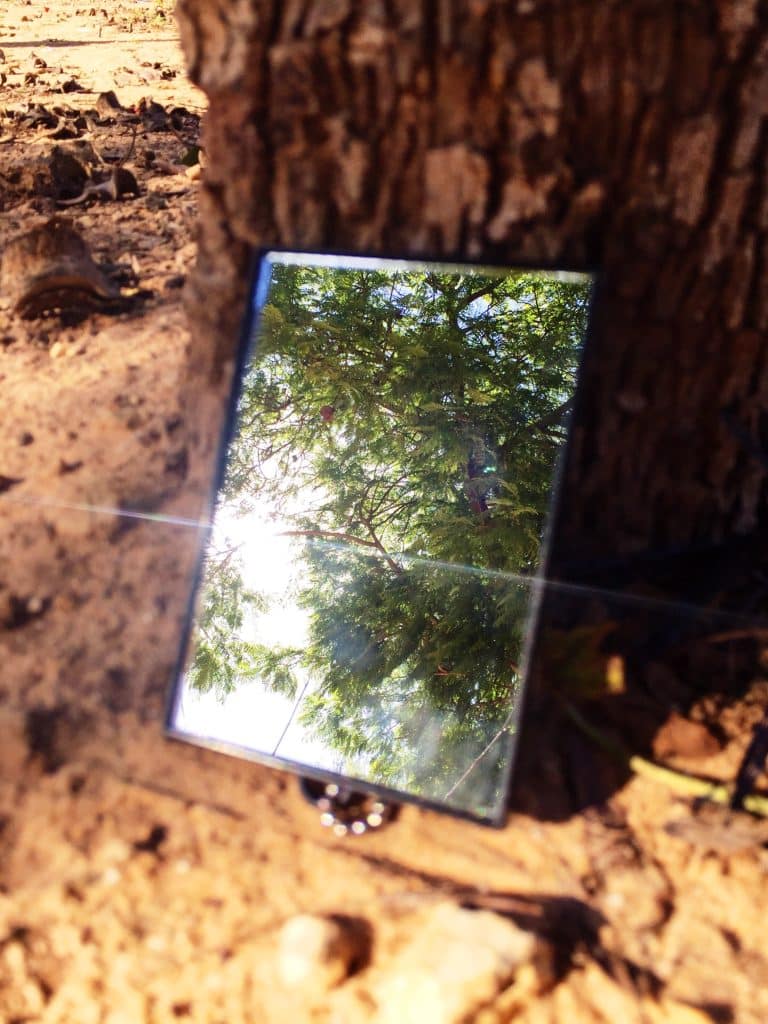
Knowing basic signaling methods, a whistle, a mirror, or an emergency blanket used properly, can matter more than almost anything else if you’re lost or injured. These are small, lightweight items that take up almost no space in a pack.
Three of anything, three whistle blasts, three fires, is a widely recognized distress signal worth remembering.
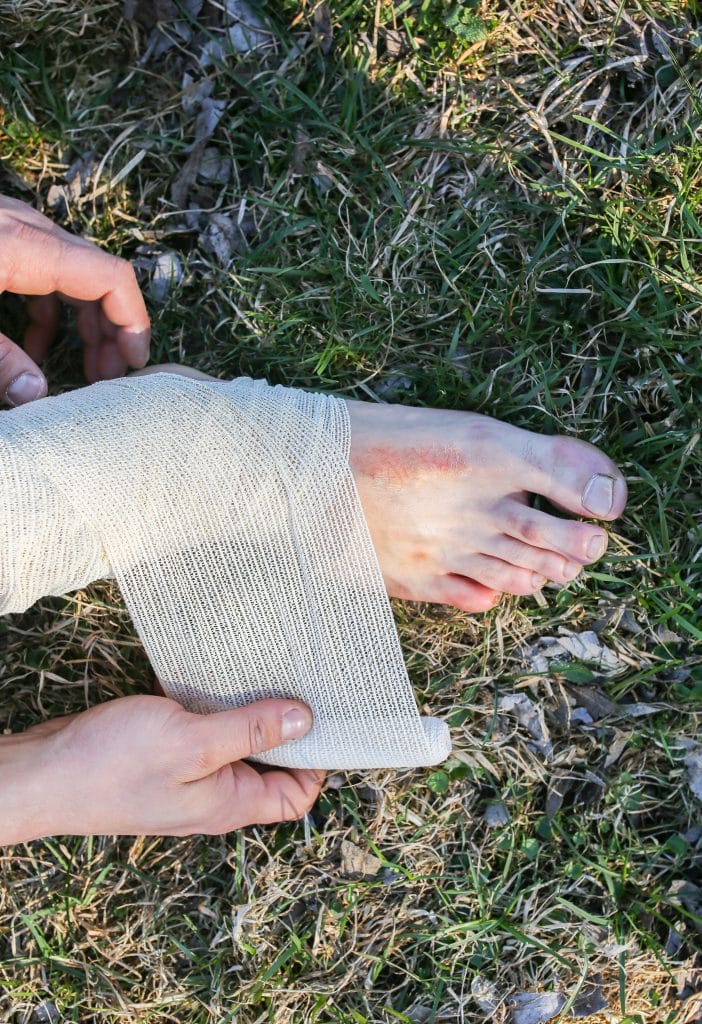
8. How to Recognize and Treat Basic Injuries
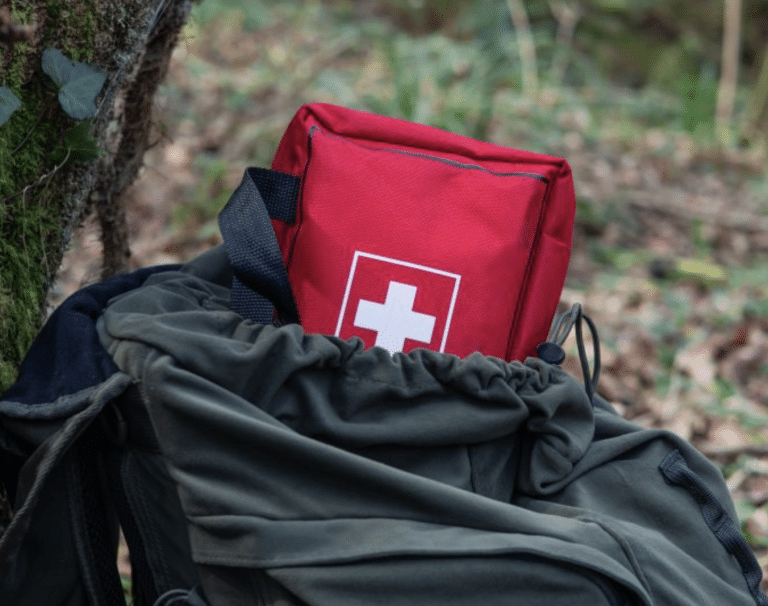
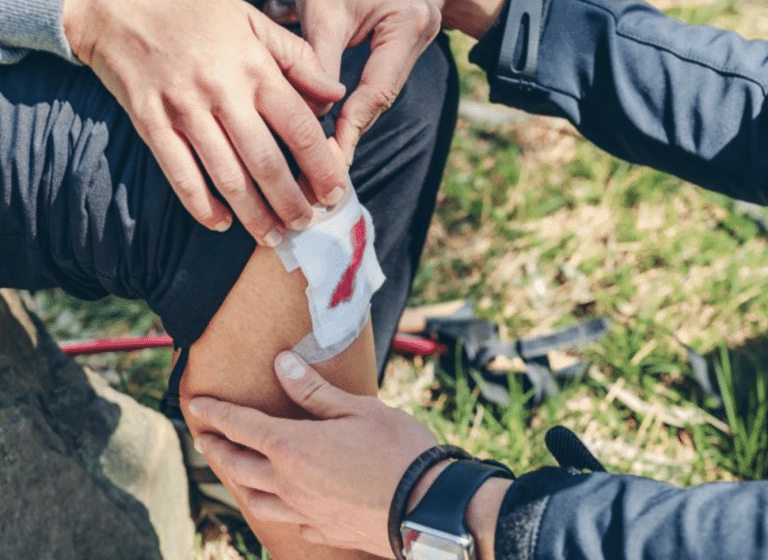
Knowing how to handle a sprain, a cut, or early signs of heat exhaustion can prevent a small problem from becoming a much bigger one. A basic first aid course goes a long way here.
I’d rather know too much about this than not enough.
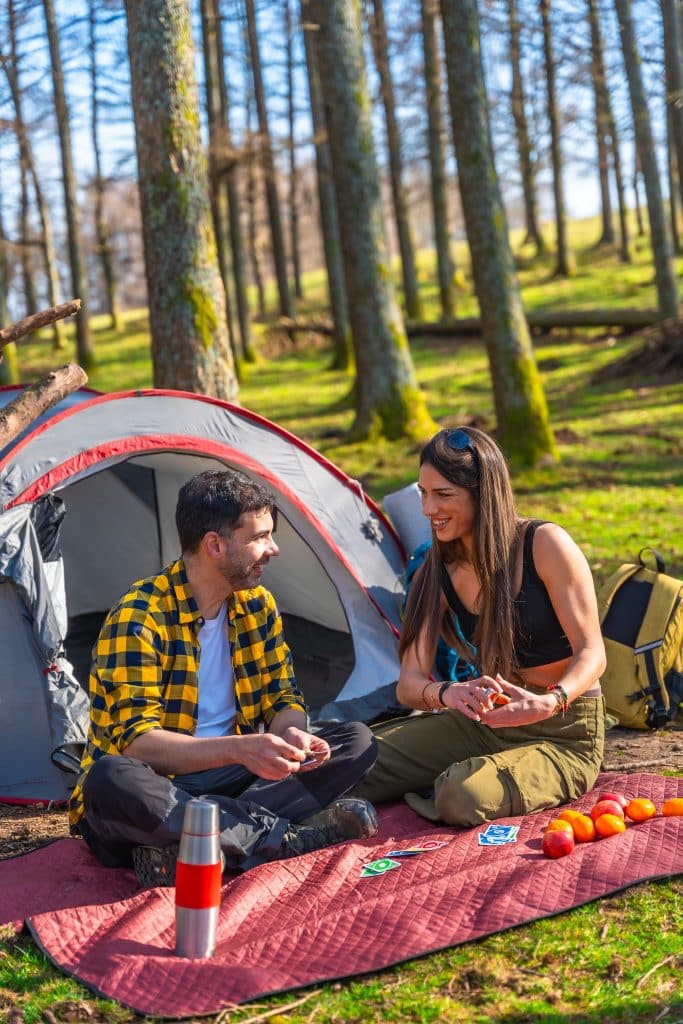
7. How to Layer Clothing Properly
Understanding how to layer clothing for changing temperatures is more important than owning expensive gear. A base layer, an insulating layer, and a waterproof outer layer will keep you comfortable through more conditions than people expect.
Cotton is almost always the wrong choice once things get wet or cold.
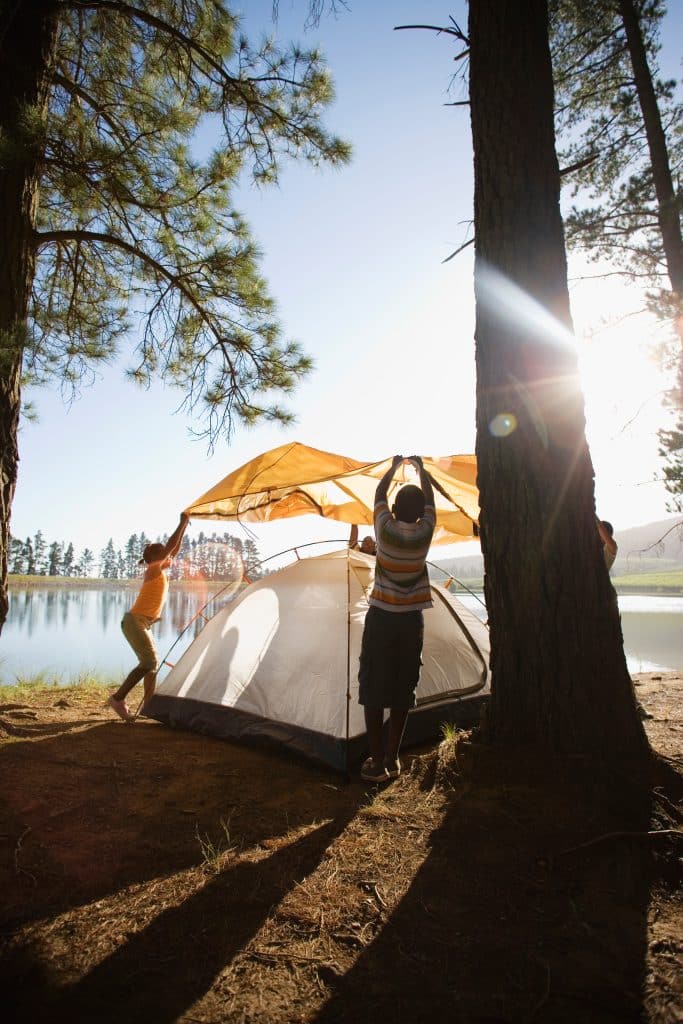
6. How to Navigate Using the Sun and Stars
Even a basic understanding of how the sun moves across the sky, or how to find north using the stars, gives you a fallback when you don’t have a map or compass. It’s not as precise as modern tools, but it’s better than nothing.
This is one of those skills that feels almost old fashioned until you actually need it.
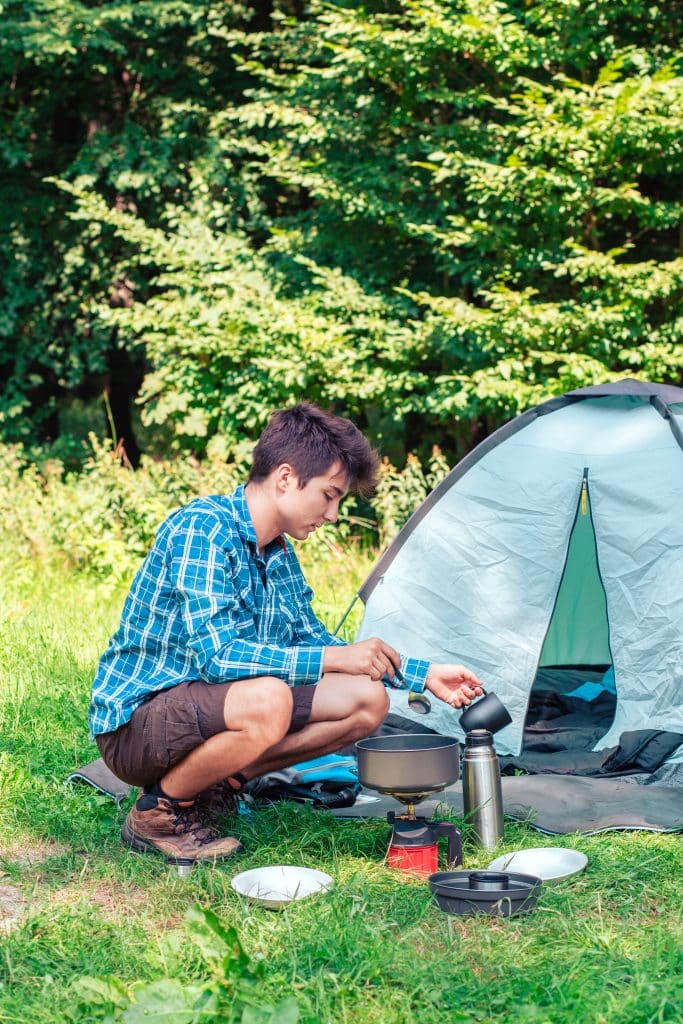
5. How to Ration Food and Water
Knowing how to stretch limited supplies if a trip runs longer than expected is an underrated skill. Most people overpack food and underpack water, which is the opposite of what actually matters in an emergency.
Water almost always matters more than food in the short term.
4. How to Tie a Few Reliable Knots
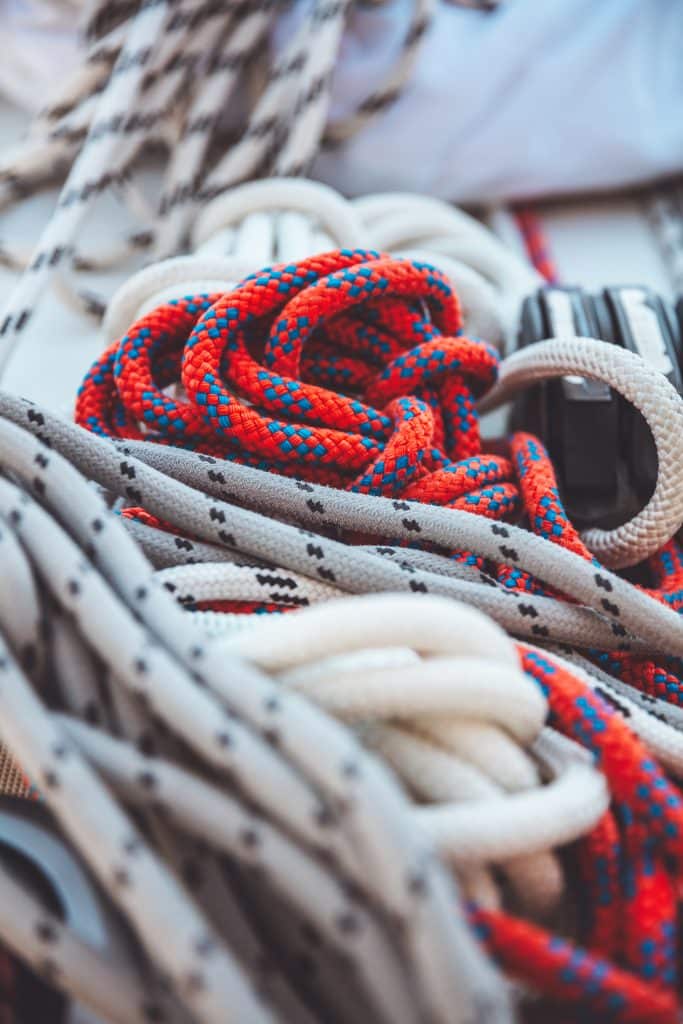
A handful of solid knots, a bowline, a clove hitch, a trucker’s hitch, cover most situations you’ll actually run into outdoors, from securing a tarp to hauling gear. You don’t need to know dozens, just a few done well.
Practice these at home until they’re second nature.
3. How to Identify Weather Changes Early
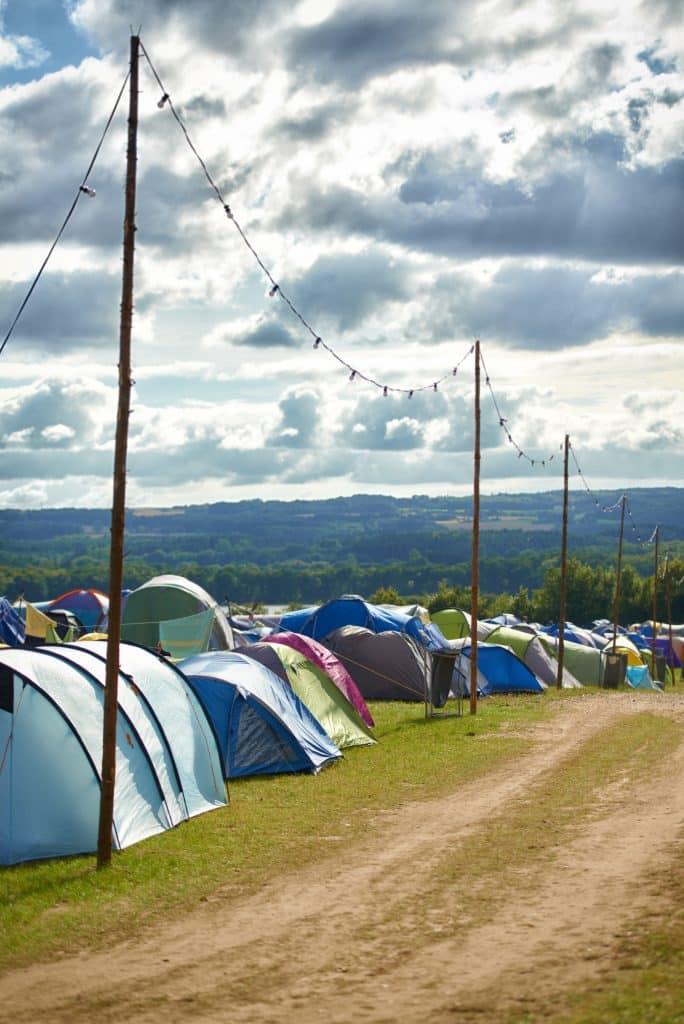
Learning to read cloud patterns, wind shifts, and temperature drops gives you a head start before bad weather actually arrives. This skill has saved me from getting caught out more times than I can count.
The sky usually gives you more warning than people think to look for.
2. How to Stay Calm and Keep a Level Head Under Stress
This might be the hardest skill on this list to actually practice, but it might also be the most important. Panic leads to bad decisions, and staying calm enough to think through your actual options changes outcomes more than any piece of gear.
This comes with experience more than instruction, but it’s worth being aware of.
1. How to Tell Someone Your Plans Before You Leave
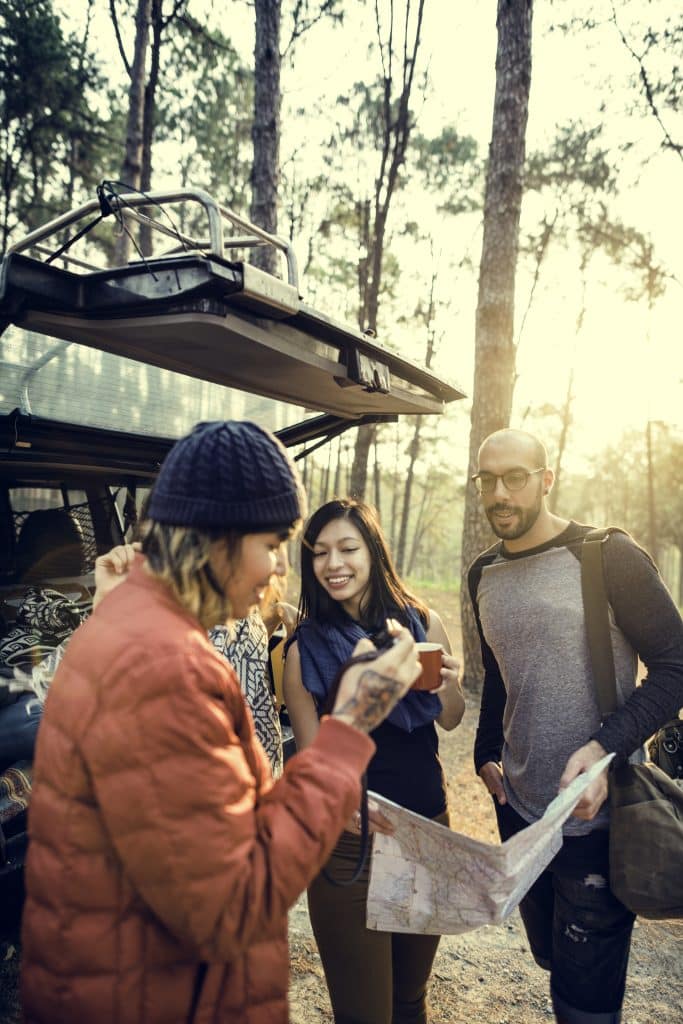
The single most important survival skill isn’t really a wilderness skill at all. It’s telling a reliable person exactly where you’re going, what route you’re taking, and when you expect to be back.
This one habit is responsible for more successful rescues than any piece of gear or wilderness knowledge ever could be. It costs nothing, takes five minutes, and it’s the first thing that goes wrong when it’s skipped.
Final Thoughts
If you only take one thing away from this list, let it be the last one. Every other skill here matters, but none of them help much if nobody knows where to start looking for you.
The water purification and shelter building skills are the two I’d recommend practicing first, since they’re the most likely to actually come up on a normal trip.
Which of these skills do you already feel confident in, and which one do you think you should actually practice before your next trip?