17 Camping Hacks Every Weekend Warrior Needs to Know
I’ve spent enough weekends in a tent to have made every mistake at least once. Cold nights, soggy firewood, gear that wouldn’t fit back in its bag, all of it. Somewhere along the way I picked up a set of small habits that make camping trips run smoother without needing fancier equipment.
Here are 17 of those, counted down and ready to steal for your next trip.
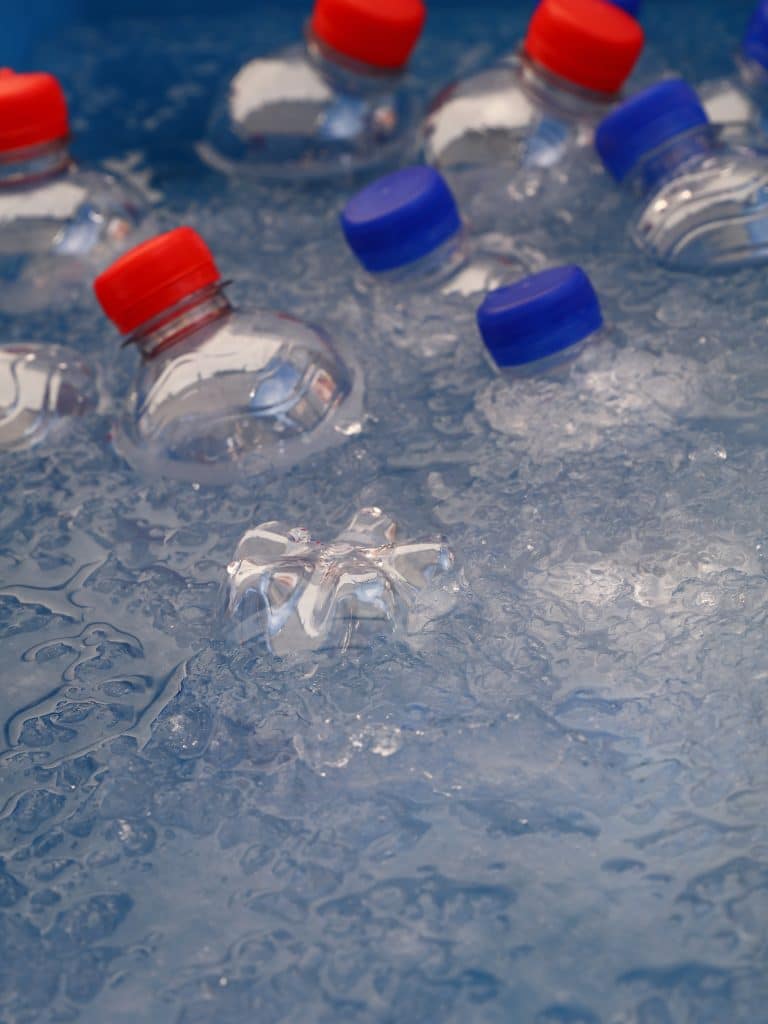
17. Freeze Water Bottles Before You Leave
Instead of buying a bag of ice, freeze a few water bottles the night before you leave. They keep your cooler cold just as well, and as they melt, you’ve got clean, cold water to drink instead of a puddle of ice runoff.
It’s a small swap, but it means one less thing to pack and one less mess to deal with later.
16. Pack a Headlamp, Not Just a Flashlight
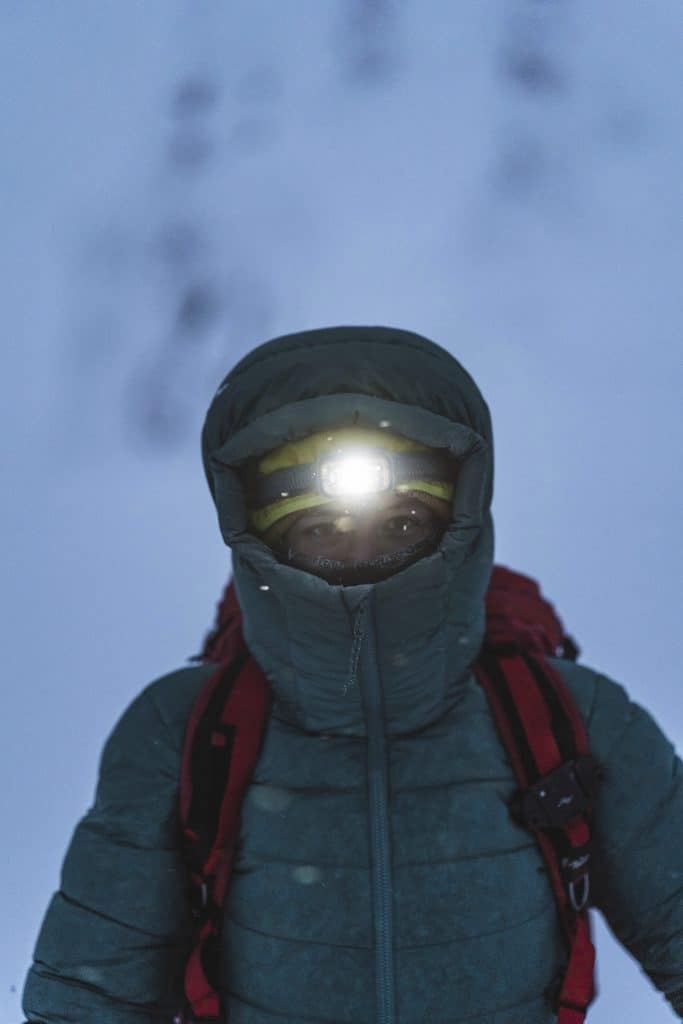
A flashlight works fine until you need both hands for something, which happens constantly at a campsite. A headlamp solves that instantly, for setting up a tent in the dark or cooking after sunset.
I never leave home without mine anymore. It’s one of those small gear choices that makes everything after dark noticeably easier.
15. Bring Extra Tent Stakes
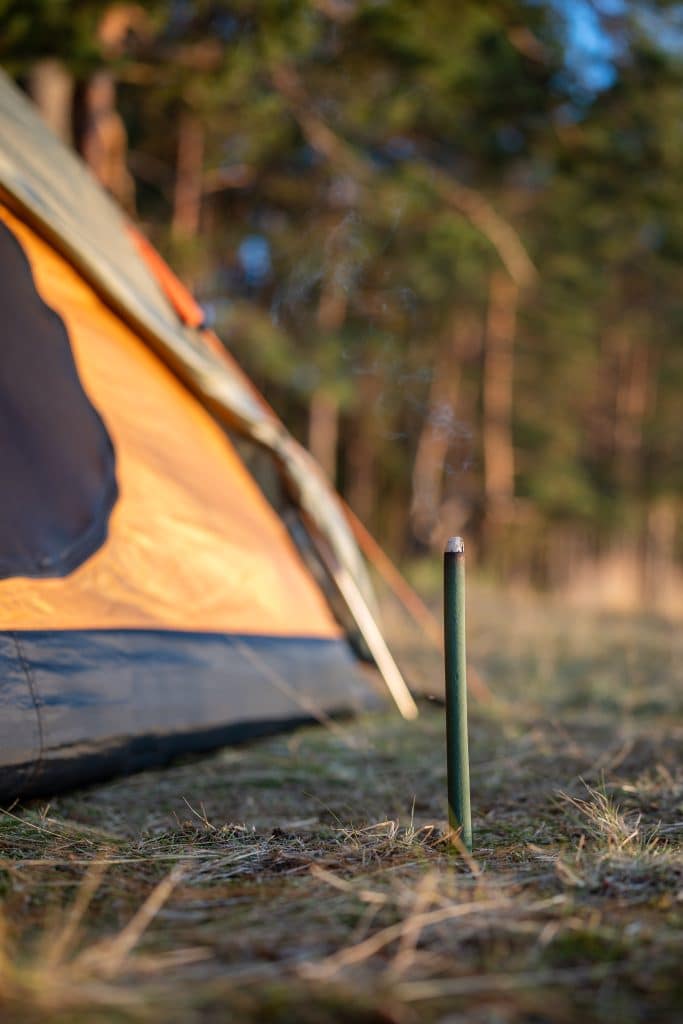
Stakes bend, snap, or just vanish into the dirt somehow. Bringing a handful of spares weighs almost nothing, and it saves you from improvising with sticks when the wind picks up at 2 in the morning.
It’s cheap insurance for one of the few things that can genuinely ruin a night if it fails.

14. Use a Cardboard Egg Carton for Fire Starting
Fill the cups of an egg carton with dryer lint or small wood shavings, then close it up. It lights easily and burns long enough to get real kindling going, even with slightly damp wood.
It’s a good trick for anyone who’s struggled to get a fire started on a humid night.
13. Store Spices in a Pill Organizer
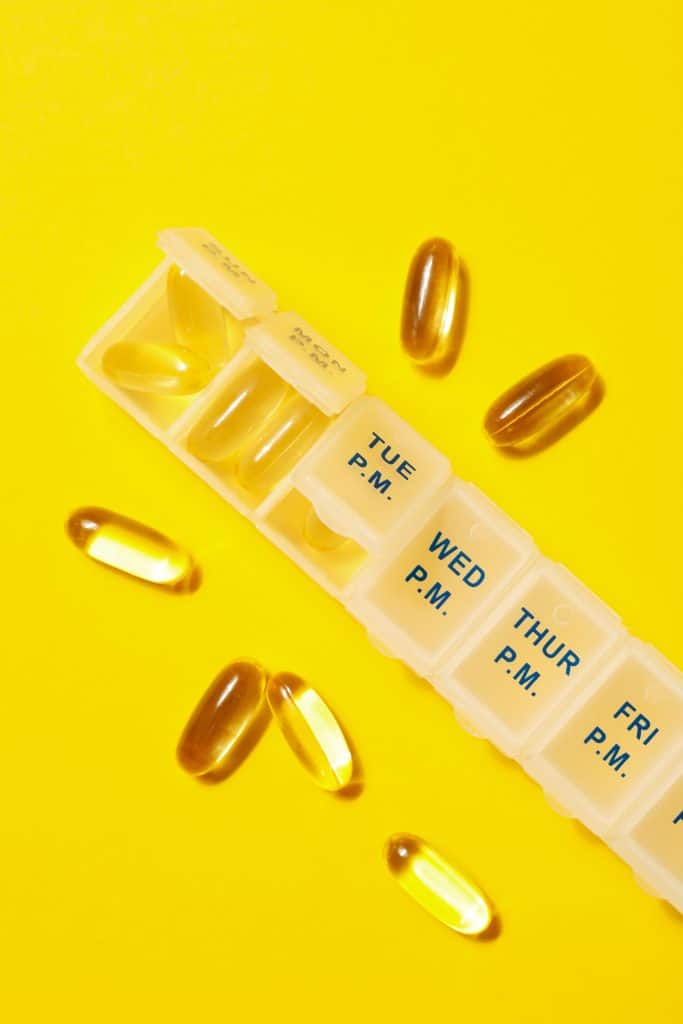
A weekly pill organizer is a surprisingly good way to bring exactly the spices you need without hauling full containers. Salt, pepper, garlic powder, whatever your camp cooking calls for, each in its own labeled little compartment.
It saves space and keeps your food bag from turning into a spice rack.

12. Line Your Cooler With a Wool Blanket
Adding a wool blanket underneath your cooler contents helps insulate against the ground and keeps ice from melting as fast, especially on hot afternoons. It also doubles as an extra layer if the night turns colder than expected.
Two jobs from one item is always a win when you’re trying to pack light.
11. Bring a Dedicated Camp Multi-Tool
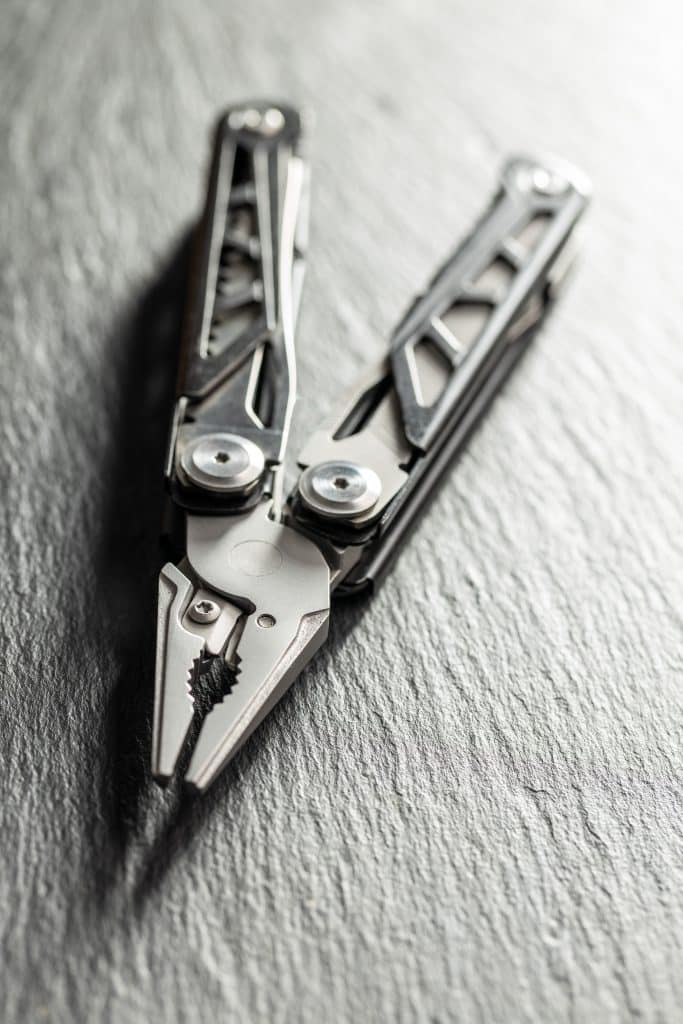
Having one tool that handles small repairs, opens cans, and cuts rope means you’re not digging through three different bags looking for the right thing. A decent multi-tool earns its spot in any pack.
It’s the kind of item you barely think about until the moment you desperately need it.

10. Waterproof Your Matches With Nail Polish
A thin coat of clear nail polish over the match heads keeps them dry even if your bag gets a little damp. It dries fast and doesn’t affect how well they light.
It’s a strange sounding trick that ends up being genuinely useful more often than you’d expect.
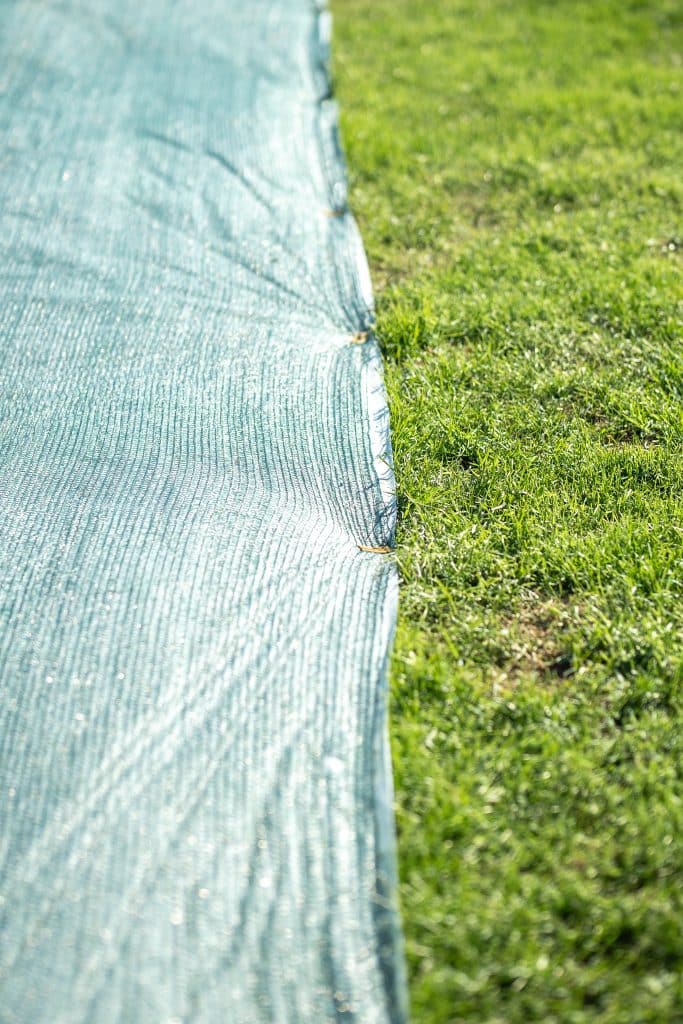
9. Bring a Tarp Even If Rain Isn’t Forecast
Weather at a campsite can shift faster than any forecast predicts. A lightweight tarp rigged above your cooking area or picnic table gives you somewhere dry to be if a surprise shower rolls through.
I’ve been caught without one exactly once, and that was enough to make it a permanent part of my pack list.
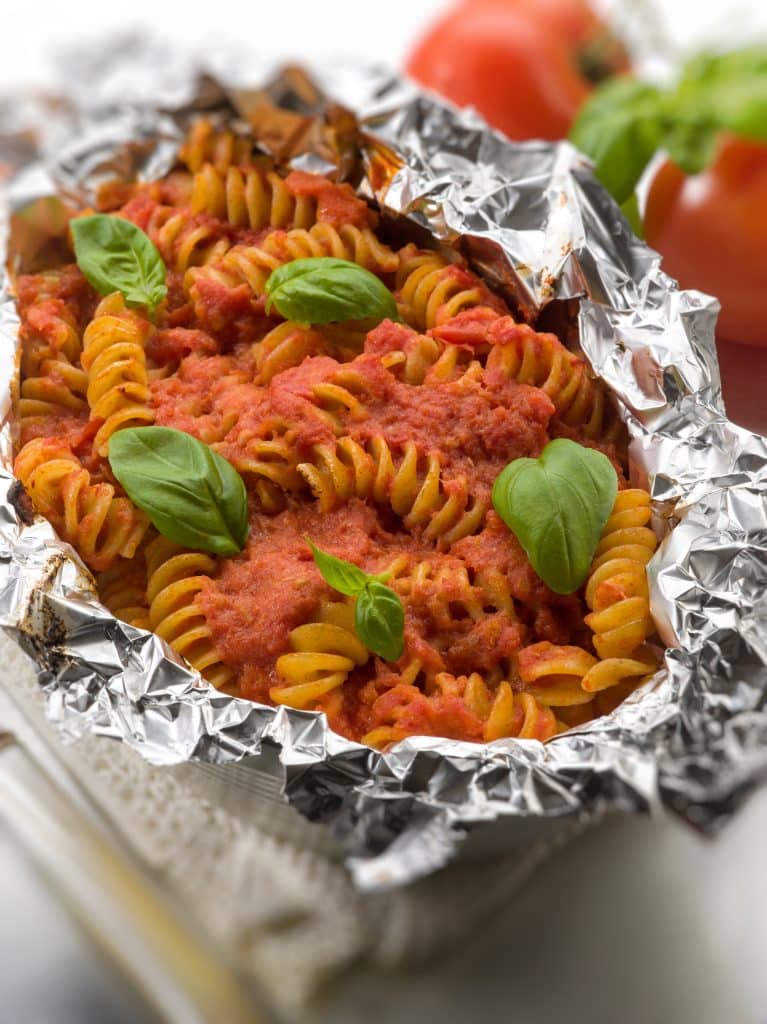
8. Pre-Make Foil Packet Meals at Home
Prepping foil packet dinners before you leave means dinner is just tossing a packet on the fire, no chopping or measuring at the campsite. It also cuts down on the number of dishes you need to bring.
It’s a small bit of prep work that pays off every single night of the trip.
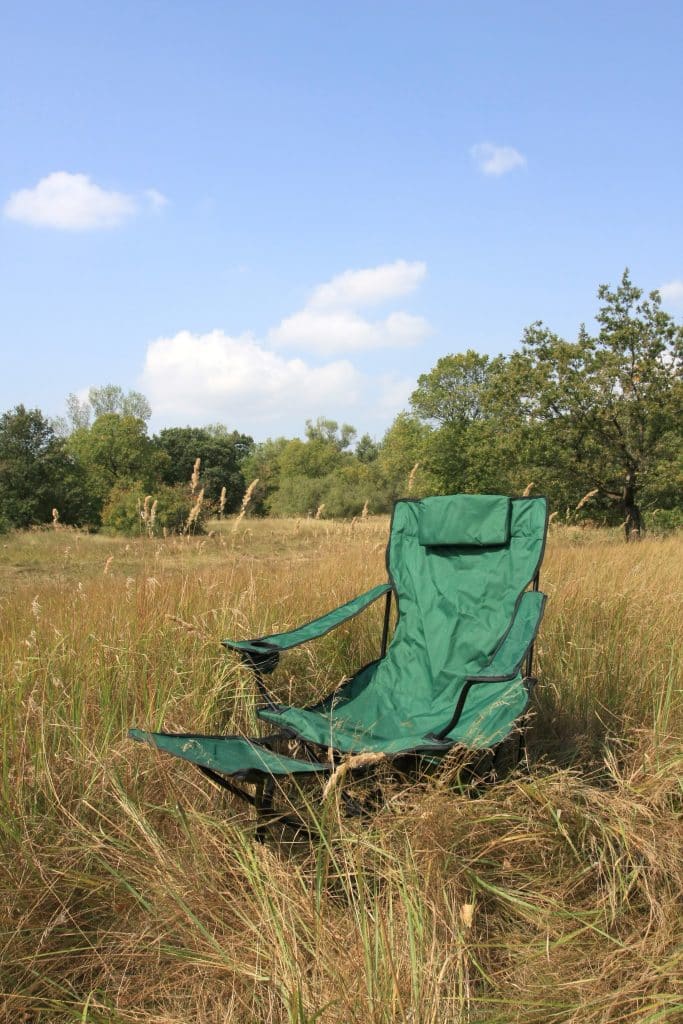
7. Use a Camp Chair With a Built-In Cooler
Some folding camp chairs come with a small built-in cooler pouch on the side, which sounds like a minor feature until you realize you never have to get up for a drink again.
It’s a comfort upgrade that’s easy to overlook until you actually try one.
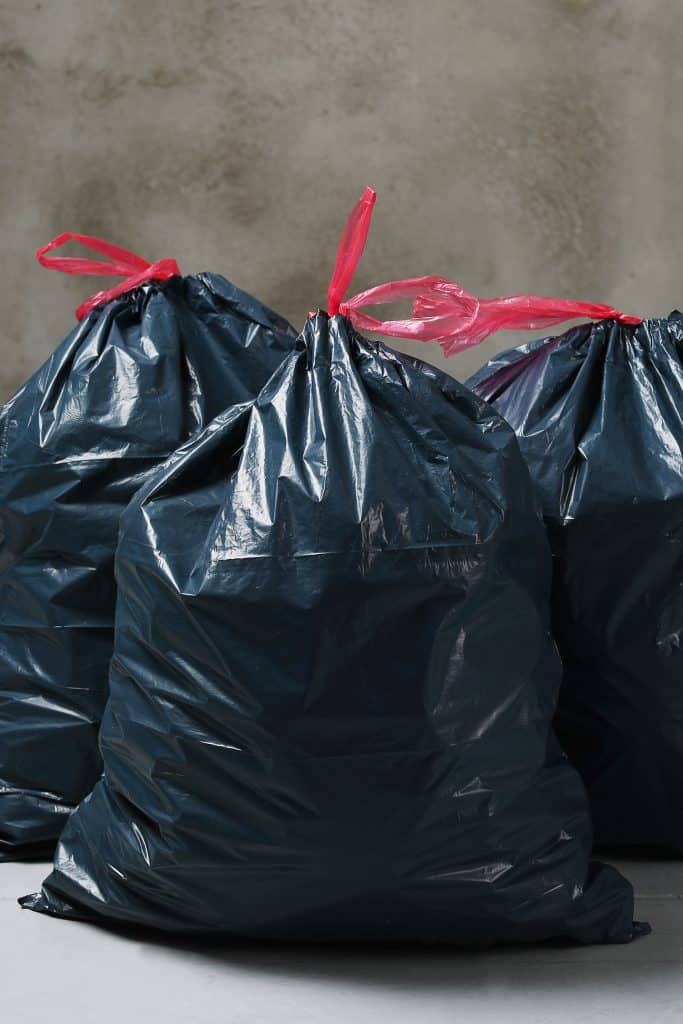
6. Bring Extra Trash Bags, More Than You Think You Need
Trash accumulates fast at a campsite, and running out of bags halfway through a trip is more common than people expect. A few extra bags weigh nothing and save you from improvising later.
Leave No Trace only works if you actually have somewhere to put the trash.
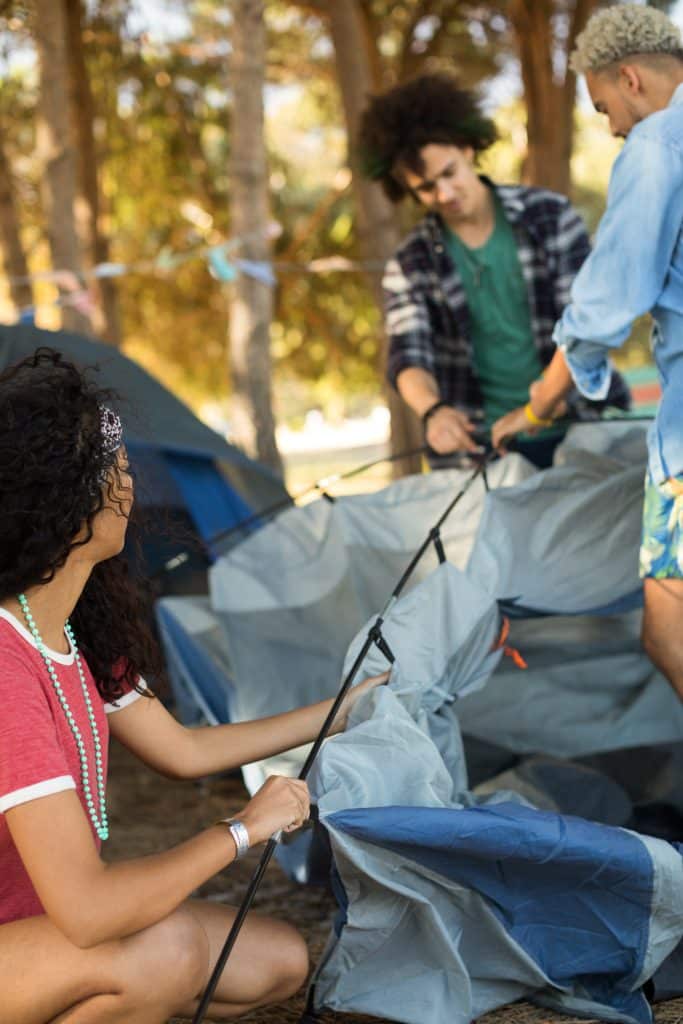
5. Set Up Camp Before Dark, Always
Setting up in daylight, even if you’re arriving in the afternoon, saves you from fumbling with stakes and poles by headlamp later. It sounds obvious, but it’s one of the most commonly ignored pieces of advice out there.
Give yourself more daylight buffer than you think you need. You’ll thank yourself later.
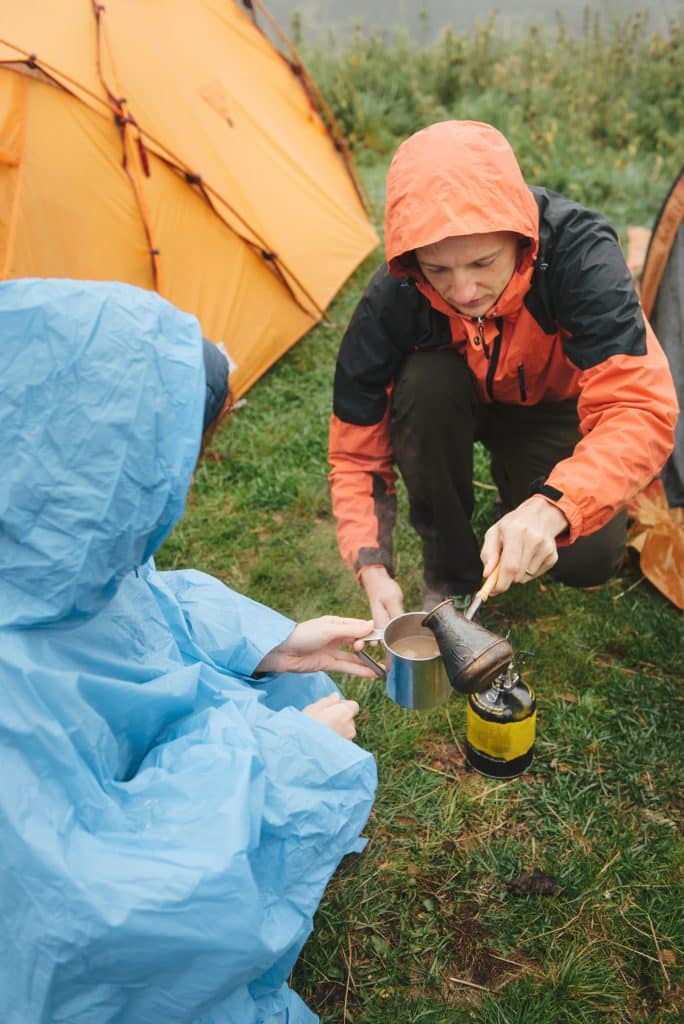
4. Bring a Separate Bag for Wet Gear
Having one dedicated dry bag for anything wet, whether that’s rain gear, swimsuits, or muddy boots, keeps the rest of your pack from turning damp too. It’s a small organizational habit that makes the whole trip more comfortable.
Once you start doing this, packing up a wet campsite feels a lot less miserable.
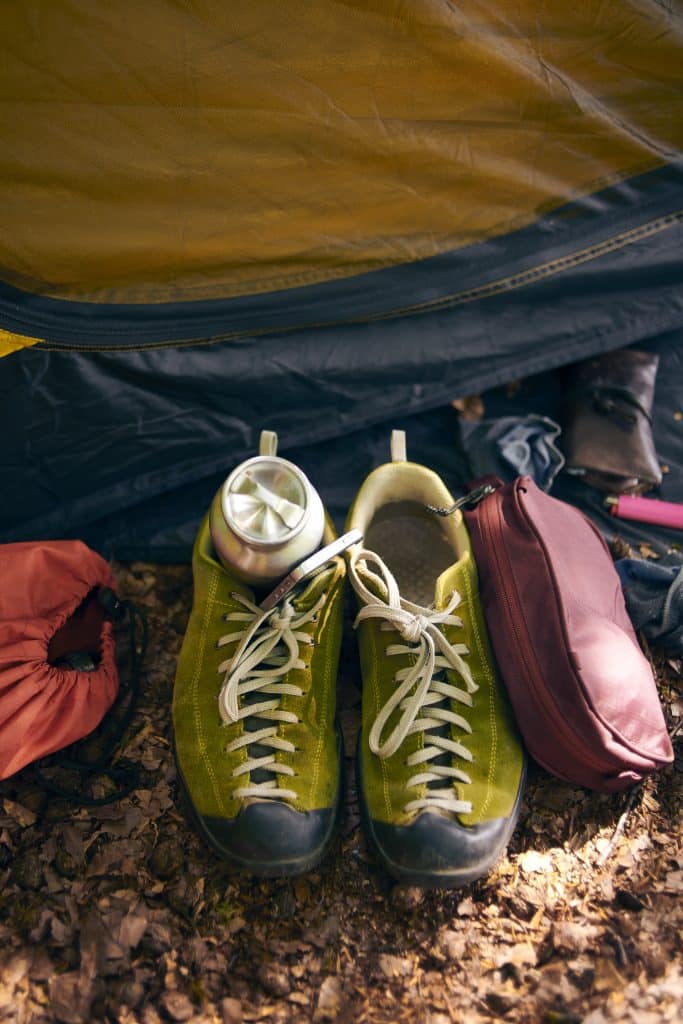
3. Test Your Gear Before You Leave Home
Setting up a new tent for the first time at the campsite is a rough way to start a trip. A quick test run in the backyard beforehand means no surprises when it actually matters.
It takes twenty minutes and can save you from a frustrating first night.
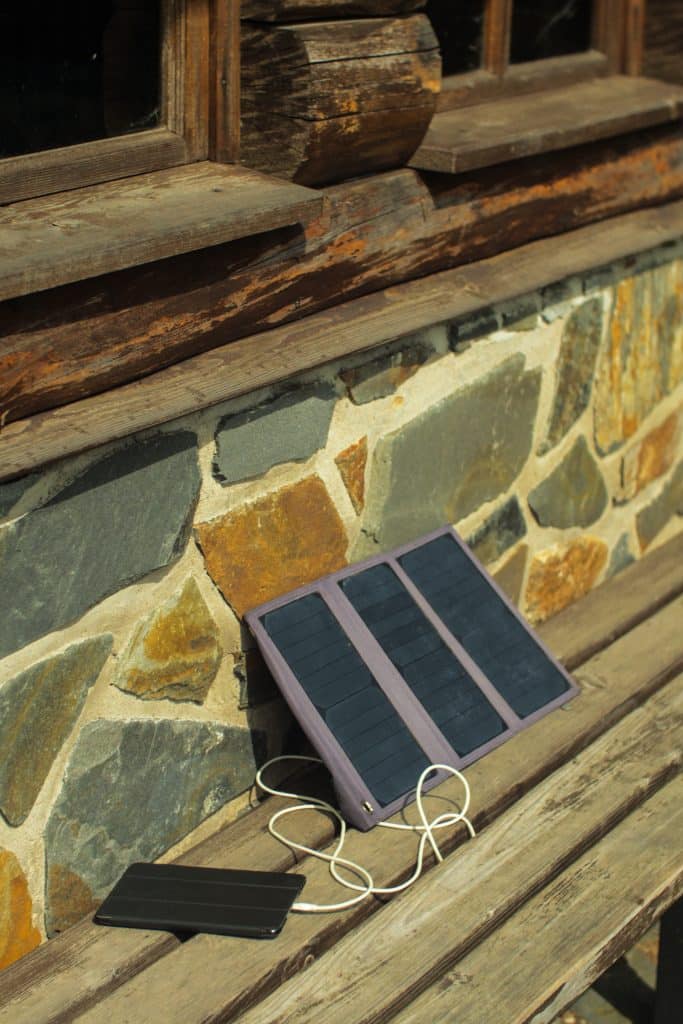
2. Bring a Battery Bank, Even for a “Disconnected” Trip
Even if the whole point of the trip is unplugging, a small battery bank for emergencies, maps, or a dying flashlight is worth the little extra weight. It’s peace of mind more than anything else.
I’ve used mine more for other people’s dead phones than my own, honestly.
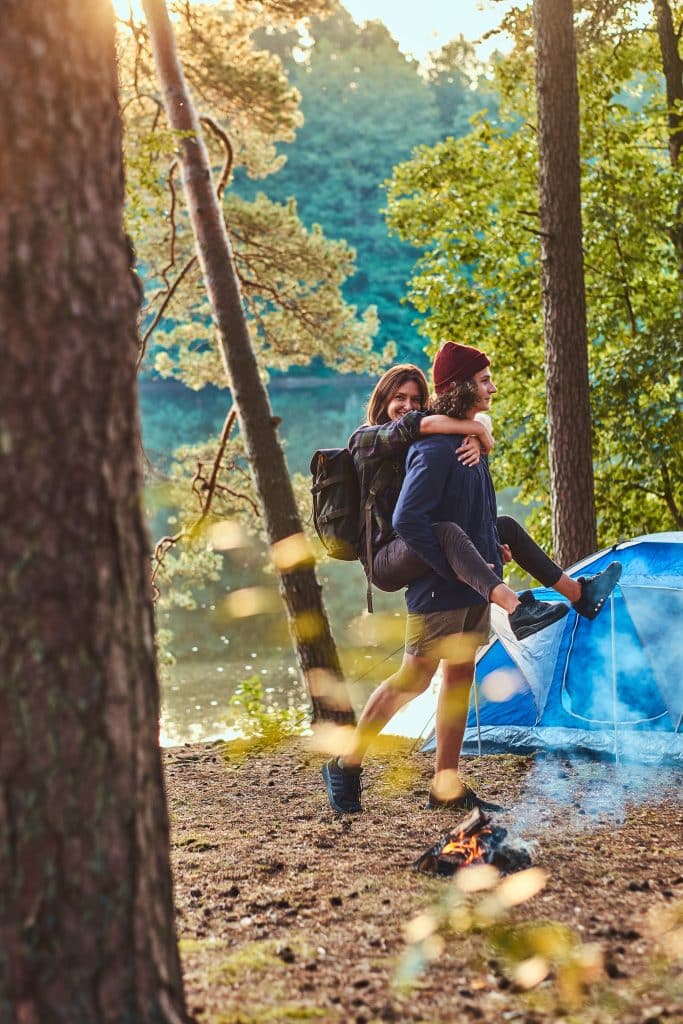
1. Scout Your Campsite Layout Before Setting Anything Up
Before pitching a tent or setting up chairs, take a few minutes to walk the site and figure out where water runs when it rains, where the morning sun hits first, and where the wind actually comes from.
This one habit prevents more bad nights than almost anything else on this list. A few minutes of scouting beats a night spent in a puddle or getting blasted awake by direct sunlight at six in the morning.
Final Thoughts
A few of these took me more than one bad trip to actually learn. The campsite scouting one especially, since I ignored that advice for years before a very wet night finally taught me the lesson properly.
If you only take one thing from this list, make it the egg carton fire starter. It’s cheap, it’s simple, and it works even when everything else about the weather is against you.
What’s the camping trick you wish someone had told you before your first trip went sideways?