Three Gear Upgrades Worth the Money, and the Rest You Can Skip
Every gear list online seems to want you to buy an entirely new setup, and after enough years of doing this, I’ve come around to a much more limited view of what’s actually worth spending real money on. Most of the gear I own is fine at a mid-range price point, and I genuinely can’t tell the difference between that and the premium version once I’m actually out on a trip.
But there are a few specific categories where the upgrade changes the experience, not just marginally, but in a way I notice every single time I’m using it. This is my honest take on where I think spending more is worth it, and just as useful, where I think it isn’t.
Upgrade One: Your Sleep System
If there’s one category where I’d tell anyone to spend more than feels comfortable, it’s whatever you’re sleeping in and on. A bad night’s sleep affects literally everything else about a trip, energy, mood, decision-making, and cheap sleep gear is disproportionately likely to deliver a bad night compared to almost anything else on a packing list.
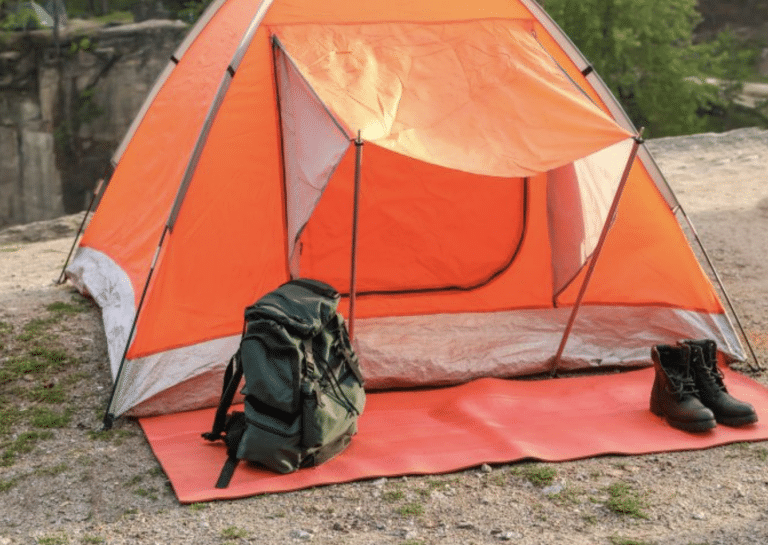
Specifically, I mean a sleeping bag rated appropriately for your actual conditions, not a generic budget bag, and a sleeping pad with real insulation value, not just cushioning. I went years using a thin pad that was fine in summer and miserable in shoulder season, and the upgrade to a properly insulated pad was one of the single biggest quality-of-life improvements I’ve made to my whole camping setup.
Upgrade Two: Rain Protection
Cheap rain gear fails you exactly when you need it most, and I say this from experience, having been soaked through a supposedly waterproof jacket on a multi-day trip where there was no going back to dry off properly. A quality rain jacket with sealed seams and real breathability is worth the extra cost, because the alternative is being wet and cold for the rest of a trip you can’t easily cut short.
This extends to a quality rain cover for your pack too, since wet gear inside your bag is nearly as bad as being wet yourself. I don’t think this needs to be the most expensive option on the market, but it does need to actually be waterproof, not just water-resistant, which is a meaningful difference that budget gear often glosses over in its marketing.
Upgrade Three: Footwear
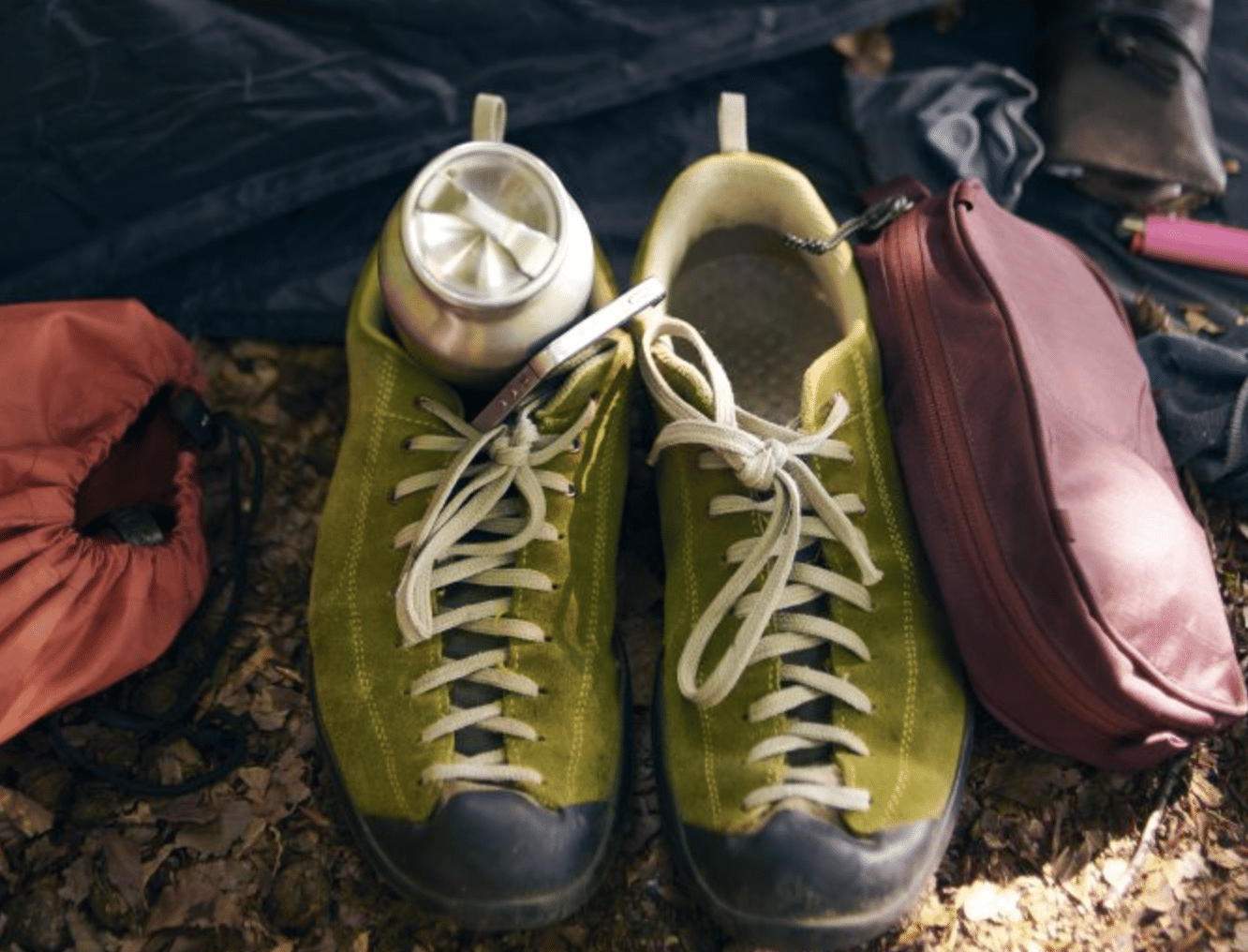
I’ve gone back and forth on this one over the years, but I’ve landed firmly on footwear being worth a real investment, specifically boots or shoes properly fitted to your feet and the terrain you actually hike. Cheap boots tend to lack support and durability in ways that show up as blisters, ankle rolls, or simply discomfort that ruins an otherwise good hike.
This doesn’t necessarily mean the most expensive pair on the shelf, fit matters more than price point here, but it does mean going to a store that can properly fit you rather than guessing at a size online to save a few dollars. I’ve had cheap boots fall apart mid-trip in ways that quality boots, even a few years old, never have.
Where I Don’t Think the Upgrade Is Worth It
On the flip side, there are a handful of categories where I truly think the premium version isn’t worth the extra cost for most people, myself included.
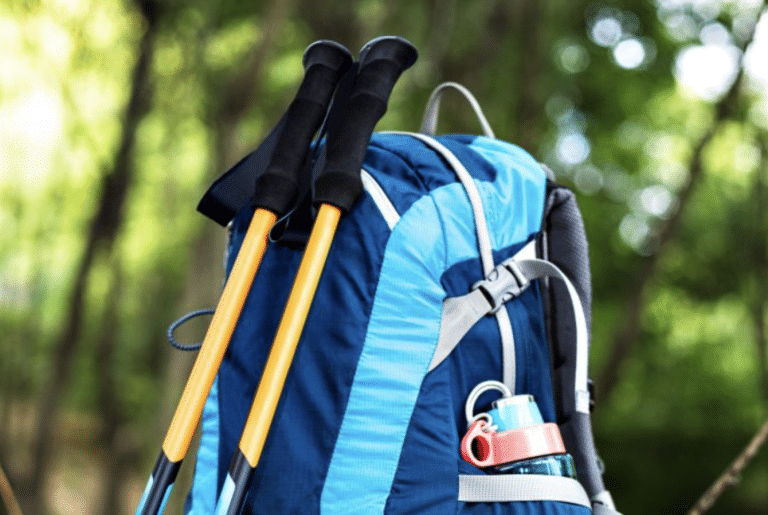
Backpacks, beyond a certain quality threshold. A well-fitted mid-range pack does the job just as well as an ultra-premium one for most trip types. Fit matters far more than brand name or premium materials once you’re past a certain baseline quality.
Cookware. A solid mid-range cook set handles camp cooking perfectly well. I’ve never once felt limited by not having the most expensive pan on the market while cooking over a camp stove.
Camp furniture. Chairs, tables, and similar comfort items don’t need to be premium to do their job well. A sturdy mid-range chair lasts for years just as reliably as an expensive one, in my experience.
Navigation electronics beyond the basics. A reliable phone with offline maps and a basic backup compass covers most trip needs. I’ve never felt the more expensive GPS devices offered enough over that combination to justify the cost for how I actually use them.
A Fourth Upgrade I Almost Left Off This List: Your Backpack’s Hip Belt
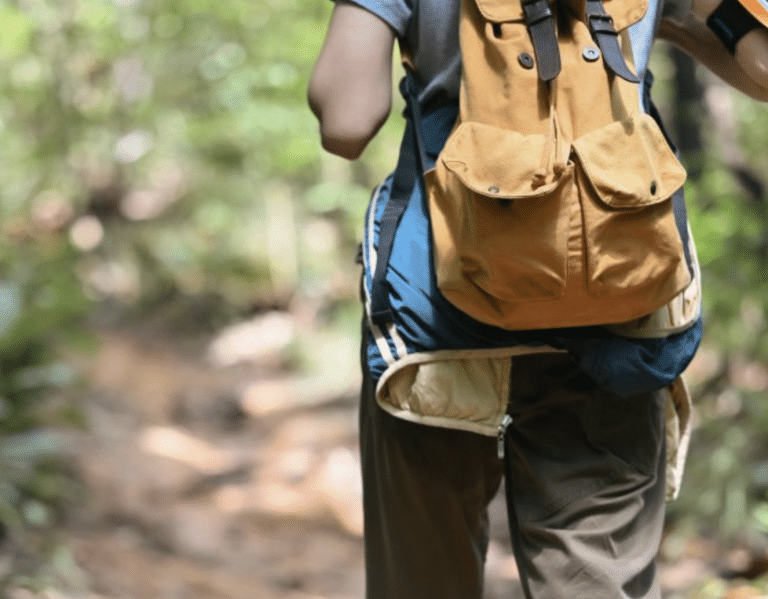
I debated adding a fourth category for a while before deciding it deserved its own section rather than getting folded into the “skip it” list for backpacks generally. While I stand by mid-range packs being fine overall, the hip belt specifically is where I’ve noticed the biggest gap between cheap and quality, since it’s what actually carries the weight, not your shoulders, and a poorly padded or badly shaped one causes real discomfort on longer days regardless of how good the rest of the pack is.
If you already own a mid-range pack that’s otherwise working fine, it’s worth checking whether the hip belt is adjustable or replaceable before assuming you need an entirely new pack. Some brands sell replacement belts separately, which gets you most of the comfort benefit of a premium pack without the full cost of upgrading everything at once.
How I Actually Decide, a Rough Framework
Beyond the specific categories above, I’ve developed a general way of thinking through any individual gear purchase decision, which I’ll lay out here since I think the framework matters more than any specific recommendation, given that gear and pricing change constantly.
Ask what happens if this specific item fails. If failure means real discomfort or a safety risk, sleep gear, rain protection, footwear, that’s a strong signal the upgrade is worth considering. If failure just means a minor inconvenience, a slightly less comfortable camp chair, a pan that heats a little unevenly, that’s a signal to save the money instead.
Ask how often you’ll actually use it. Gear that gets used on nearly every trip earns a bigger budget allocation than something used occasionally. This is part of why footwear and sleep systems rank high for me, they’re used every single trip, while something like a specialized piece of gear for one specific activity gets less of my budget by comparison.
Ask whether the upgrade is about materials or about fit. For some categories, footwear especially, the biggest quality jump comes from proper fit rather than raw materials or price point. For others, rain jackets in particular, the materials themselves (genuine waterproof membranes, sealed seams) matter more than fit alone. Knowing which applies to a given purchase changes where you should actually spend the extra money.
Set a rough lifespan expectation and calculate a cost-per-use. A more expensive item that lasts five times longer than a cheap one, and gets used regularly, often works out cheaper over time even with the higher upfront cost. I don’t do this math formally for every purchase, but keeping it in the back of my mind has changed a few decisions I would have made differently a few years ago.
A Quick Reference for Where to Spend
| Category | My Take | Reasoning |
|---|---|---|
| Sleeping bag and pad | Spend more | Directly affects sleep quality and safety in cold conditions |
| Rain jacket | Spend more | Failure means being wet and cold for the rest of a trip |
| Boots or hiking shoes | Spend more, prioritize fit | Poor fit causes injury and discomfort regardless of price |
| Hip belt on your pack | Consider upgrading separately | Carries the weight; cheap belts cause real fatigue |
| Backpack overall | Mid-range is fine | Fit matters more than premium materials past a baseline |
| Cookware | Mid-range is fine | Core function doesn’t improve much with higher price |
| Camp furniture | Mid-range is fine | Durability at mid-range is generally sufficient |
| Navigation electronics | Basics are fine | Phone plus offline maps plus backup compass covers most needs |
My Honest Take on the Whole Question
The pattern I’ve noticed across my own gear closet is that upgrades matter most in categories where failure has an outsized impact on comfort or safety, sleep, rain protection, footwear, and matter far less in categories where a mid-range option does the core job just fine. It’s less about spending more across the board and more about being intentional with where the extra money actually goes.
This is obviously just my own experience across a lot of trips, and gear priorities shift depending on the kind of camping or hiking you do most. But if you’re trying to figure out where to put a limited gear budget, I’d start with the three categories above before anywhere else, and feel comfortable saving money everywhere else on the list.