15 Campfire Cooking Tricks That Actually Work
I used to think campfire cooking meant burnt hot dogs on a stick and calling it a day. Somewhere over the years, mostly through trial and a lot of error, I picked up a set of tricks that actually make cooking over a fire genuinely good, not just good for camping standards, actually good food.
None of these require special gear you don’t already have in a normal camp kitchen. They’re mostly about technique and a few small habits that make the difference between food that’s charred on the outside and raw in the middle, and food that actually turns out the way you wanted it to.
15. Build Two Fire Zones, Not One
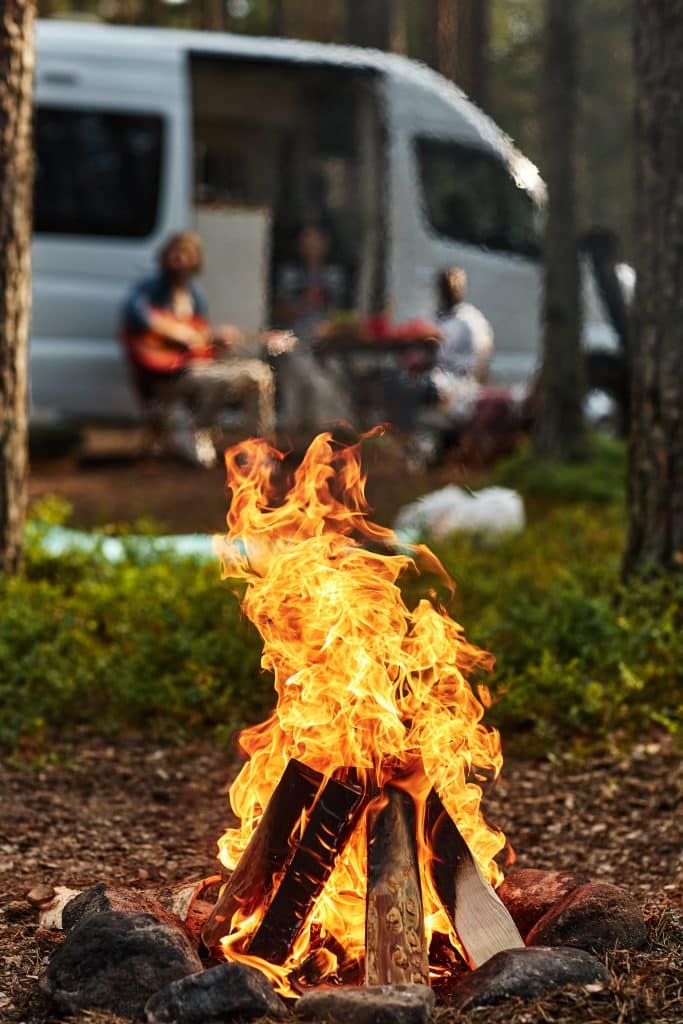
A single fire pit with one heat level makes it hard to control cooking, everything either burns or takes forever. Building a fire with a hotter direct-flame zone and a cooler coal-only zone gives you two temperatures to work with, similar to how a stovetop has different burners.
Use the hot zone for searing or boiling water fast, and the cooler coal zone for slower cooking that needs more control. This one change alone makes almost everything else on this list easier to pull off.
14. Let the Fire Burn Down to Coals Before Cooking
Cooking directly over open flame tends to char food on the outside while leaving the inside undercooked, since flames are inconsistent and often too hot. Coals provide a steadier, more even heat that’s much easier to cook over reliably.
Plan for at least 30 to 45 minutes of burn time before you start cooking, longer for a bigger fire. This is the single biggest factor in whether campfire food turns out good or burnt.
13. Use a Grate If You Have One, Even a Small Portable One
Cooking directly on coals or a stick works in a pinch, but a small grate gives you a stable, even surface that makes a huge difference in how food cooks. It also opens up options like grilling vegetables or cooking multiple items at once.
A compact, packable grate is worth the small amount of extra gear weight for how much it improves the cooking experience. Even a simple flat grate elevated on a couple of rocks works if you don’t want to pack a dedicated stand.
12. Wrap Foods in Foil for Even, Contained Cooking
Foil packets are one of the most reliable campfire cooking methods, since they trap heat and moisture evenly around the food and prevent direct char. Vegetables, fish, and even some meats cook well this way with minimal cleanup.
Double-wrap anything with liquid or a lot of moisture to prevent leaks onto the coals. Rotate the packet periodically so it cooks evenly on all sides.
11. Pre-Chop and Pre-Portion at Home
Trying to chop vegetables or portion meat at the campsite, often in low light with basic tools, is slower and messier than doing it ahead of time. Prepping ingredients at home and packing them pre-portioned saves real time and hassle at the fire.
Use resealable bags or small containers labeled by meal to keep things organized in the cooler. This is one of the easiest changes to make and it pays off every single meal of the trip.
10. Use a Cast Iron Pan for Anything That Needs Real Heat Control
Cast iron holds and distributes heat far more evenly than thin camping cookware, which makes a real difference for anything that needs consistent searing or frying. It’s heavier to pack, but for car camping or a base camp setup, it’s worth it.
Season the pan before the trip if it’s new, and clean it properly afterward to keep it in good shape. A well-seasoned cast iron pan actually performs close to what you’d get on a home stovetop.
9. Skewer Food for Even Cooking Over Coals
Skewers let food cook more evenly by exposing all sides to heat as you rotate them, rather than sitting flat on one side the whole time. This works well for vegetables, meat chunks, and even some fruits for dessert.
Soak wooden skewers in water beforehand if you’re using them, to keep them from burning through. Metal skewers avoid this problem entirely if you camp often enough to justify packing a reusable set.
8. Don’t Walk Away From Food Over Direct Flame
Campfire cooking requires more attention than a stovetop, since heat and flame height shift constantly as the fire burns. Walking away, even for a couple of minutes, is one of the most common reasons food ends up burnt.
Stay close and check food regularly, especially anything cooking directly over open flame rather than steady coals. This is less about a specific technique and more just a habit worth building.
7. Use a Dutch Oven for Slow, Even Cooking
A Dutch oven is really one of the best tools for campfire cooking, since it distributes heat evenly on all sides, including the lid, which lets you bake or slow-cook things that would be hard to manage otherwise. It’s a heavier piece of gear, but for a longer camping trip it opens up a lot of options.
Use coals both underneath and on top of the lid for the most even heat distribution. This method works especially well for stews, casseroles, and even simple baked goods like biscuits.
6. Season Food Before You Leave, Not at the Campsite
Trying to properly season food at the campsite, especially in low light or windy conditions, often results in under-seasoned or unevenly seasoned meals. Seasoning meat or marinating it before the trip and packing it ready to cook solves this completely.
Pack pre-mixed spice blends in small containers if you want flexibility to season on-site for specific dishes. This is a small step that makes a noticeable difference in how the final meal actually tastes.
5. Use Foil as a Makeshift Griddle
If you don’t have a flat cooking surface, a few layers of heavy-duty foil shaped over a grate or rocks can work as a basic griddle for eggs, pancakes, or anything that needs a flatter cooking surface than a direct flame allows. It’s not a permanent solution, but it works well in a pinch.
Use plenty of oil or butter to prevent sticking, since foil doesn’t have the same non-stick properties as an actual pan. This trick has saved more than one camp breakfast for me over the years.
4. Rotate and Move Food Around the Fire, Not Just on the Grate
Heat isn’t uniform across a fire, some spots run hotter than others, and food left in one spot the whole time often cooks unevenly. Moving food periodically between hotter and cooler zones gives you more control over the final result.
Check food regularly and don’t be afraid to move it around based on how it’s cooking. This applies whether you’re using a grate, foil packets, or a pan.
3. Keep a Separate Set of Tongs and Utensils Just for Fire Cooking
Using the same utensils for raw and cooked food, or for handling hot coals and actual food, creates both a food safety issue and a practical mess. A dedicated set of long-handled tongs and utensils specifically for fire cooking solves both problems.
Long handles matter here more than they would with a stovetop, since you’re working closer to open flame and hot coals. This is a small gear addition that makes the whole cooking process safer and easier.
2. Let Meat Rest Before Cutting Into It
Just like cooking on a regular stove or grill, meat cooked over a campfire benefits from resting a few minutes before cutting, letting the juices redistribute instead of running out immediately. Skipping this step, which is easy to do when everyone’s hungry and waiting, results in a noticeably drier final result.
Pull meat off the heat a few minutes before it looks fully done, since it continues cooking slightly as it rests. This is a small patience-based trick that makes a real difference in the final texture.
1. Plan Your Meals Around What Actually Cooks Well Over Fire
The biggest trick isn’t really a cooking technique at all, it’s choosing meals that are realistic for campfire cooking in the first place rather than trying to recreate a complicated home recipe with limited tools and an inconsistent heat source. Simple, forgiving meals tend to turn out far better than ambitious ones.
Stick to foods that cook well with foil packets, skewers, or a simple pan, and save the more complicated recipes for a home kitchen. Planning around the method, rather than forcing a method to fit the meal, is the single biggest factor in whether campfire cooking actually goes well.