19 Hiking Mistakes First-Timers Make on the Trail
I’ve hiked with a lot of people over the years who were trying it out for the first time, and almost every one of them made at least a few of the mistakes on this list. None of it is really their fault, hiking looks simple from the outside, put one foot in front of the other, follow the path. The reality is there’s a decent amount of small, easy-to-miss stuff that experienced hikers just absorb over time without ever writing it down anywhere.
So I wrote it down. These are the 19 mistakes I see most often from people on their first few real hikes, roughly ordered from the ones that just make the day less enjoyable up to the ones that can actually get someone hurt or lost. If you’re new to this, treat it as a shortcut past the trial and error I went through myself.
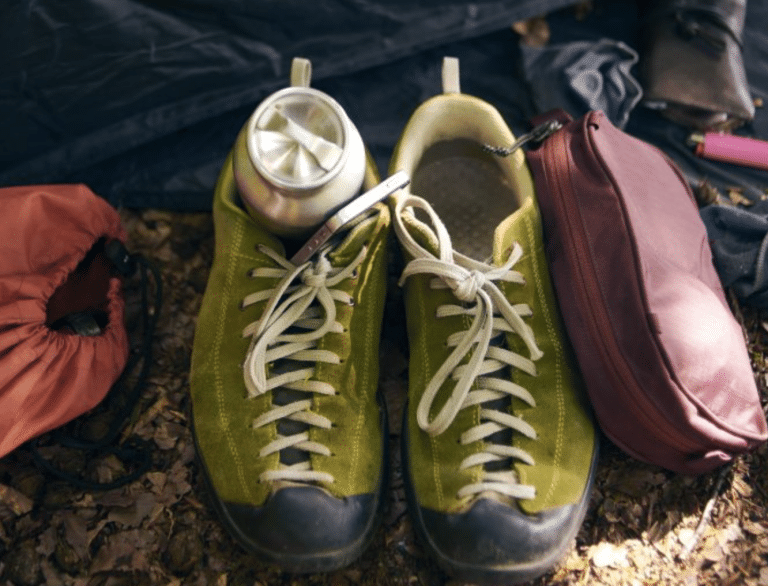
19. Wearing Brand New Boots on the Trail
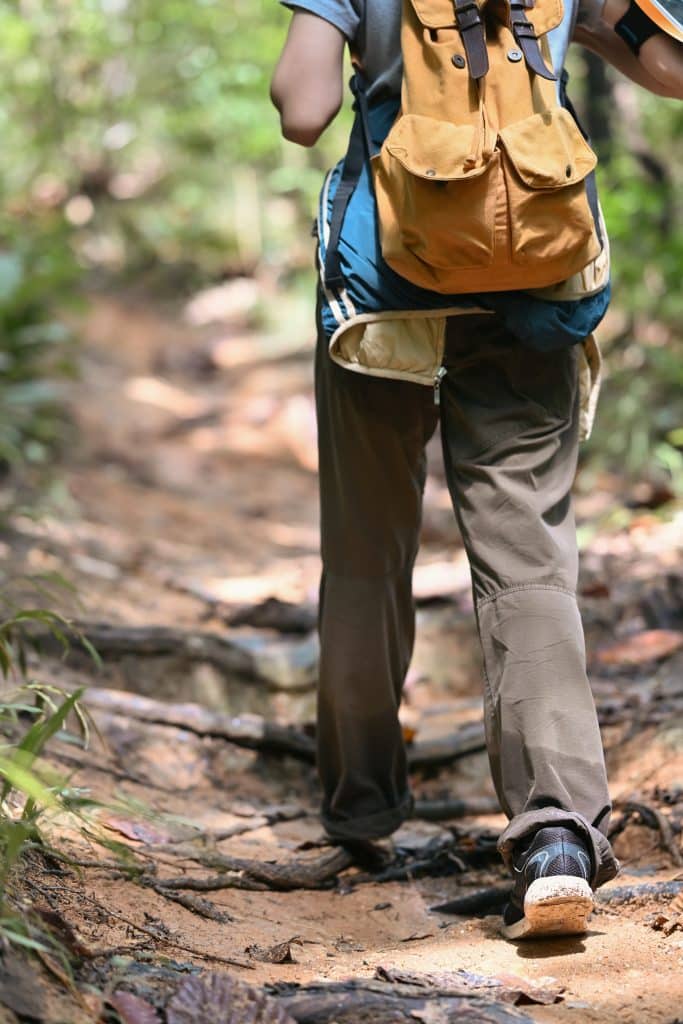
Breaking in boots on the actual hike instead of beforehand is one of the most common first-timer mistakes I see, and it’s almost always the reason someone’s limping by mile three. New boots need time to mold to your feet, and skipping that step usually means blisters in exactly the spots you didn’t expect.
Wear any new boots around the house and on a few short walks before committing to a real trail in them. A week or two of casual wear is usually enough to know whether they’re actually going to work for you.
18. Underestimating How Much Water to Bring
People consistently bring less water than they need, especially on hikes that look shorter on a map than they feel on foot. Elevation gain, heat, and pace all affect water needs in ways that a simple mileage number doesn’t capture.
A rough guideline I use is about half a liter per hour of moderate hiking, more in heat or on steep terrain. It’s always better to carry a bit extra than to run dry an hour from the trailhead.
17. Not Checking the Weather Before Leaving
Trail conditions and weather can shift fast, especially at elevation, and a lot of first-timers just check the forecast for wherever they’re starting from rather than the actual trail area. Mountain weather in particular can look completely different from what’s happening in the valley below.
Check a forecast specific to the trail or nearby peak if one’s available, not just the closest town. Mountain forecasts change quickly, so a check the morning of is worth doing even if you looked the night before.
16. Starting Too Late in the Day
Underestimating how long a hike will take, then starting mid-afternoon, is a recipe for finishing in the dark without meaning to. Trail time estimates online are often optimistic, and factors like breaks, photos, and simply being tired add real time that’s easy to forget about when planning.
Start earlier than feels necessary, especially for anything longer than a couple of hours. Getting back to the trailhead with daylight to spare is always a better outcome than cutting it close.
15. Not Telling Anyone the Plan
One of the simplest safety steps, and one of the most commonly skipped, is just telling someone where you’re going and when you expect to be back. If something does go wrong, this is often the single factor that determines how quickly help arrives.
Send a quick text to a friend or family member with the trail name and expected return time before heading out. It costs nothing and takes thirty seconds, but it matters more than almost anything else on this list.
14. Ignoring the Actual Difficulty Rating
Trail difficulty ratings exist for a reason, and a lot of first-timers pick a hike based on distance alone without factoring in elevation gain or terrain type. A five-mile flat trail and a five-mile trail with two thousand feet of climbing are completely different experiences.
Look at elevation gain specifically, not just total mileage, when picking a first hike. A trail described as strenuous is usually strenuous even for people in decent shape.
13. Packing Too Much Gear
The opposite problem from underpacking, but just as common, is showing up with a bag so heavy it slows the whole hike down and wears you out faster than the terrain itself would. First-timers often bring gear meant for much longer trips out of an abundance of caution.
Stick to the actual essentials for the length and difficulty of your specific hike. A heavier bag than necessary is one of the more avoidable reasons a hike feels harder than it needed to.
12. Not Bringing Enough Snacks
Hiking burns more energy than people expect, and running low on food partway through a hike leads to fatigue and a noticeably worse mood by the end. This is especially common on hikes that end up taking longer than planned.
Pack more calories than seems necessary, especially for anything over a couple of hours. Simple, energy-dense snacks that don’t require prep tend to work best on the trail.
11. Wearing Cotton Clothing
Cotton holds onto moisture, whether from sweat or rain, and stays wet and cold for a long time once it’s soaked. This can be uncomfortable on a mild day and genuinely risky in cooler or wet conditions.
Look for moisture-wicking synthetic or wool fabrics instead, especially for anything worn against the skin. This is a small gear swap that makes a noticeable difference in comfort.
10. Not Layering Properly
Temperature can shift a lot over the course of a hike, especially with elevation changes, and first-timers often either overdress and overheat or underdress and end up cold at higher elevations. A single heavy layer doesn’t adjust well to changing conditions the way multiple lighter layers do.
Pack layers you can add or remove as needed rather than one thick jacket. A light base layer, an insulating layer, and a wind or rain shell cover most situations.
9. Ignoring Trail Markers and Straying Off Path
It’s easy to get distracted by scenery or a conversation and wander off the marked trail without noticing, especially at junctions that aren’t signed. This is one of the more common ways first-timers end up lost, even on trails that are generally well maintained.
Pay attention to trail markers at every junction, and don’t hesitate to backtrack if the path stops feeling right. Trusting a gut feeling that something’s off is usually worth acting on.
8. Not Downloading an Offline Map
Cell service disappears fast once you’re a mile or two into most trail systems, and relying on a phone map that needs a live connection is a common mistake for people used to having signal everywhere. A lot of hiking apps offer offline map downloads specifically for this reason.
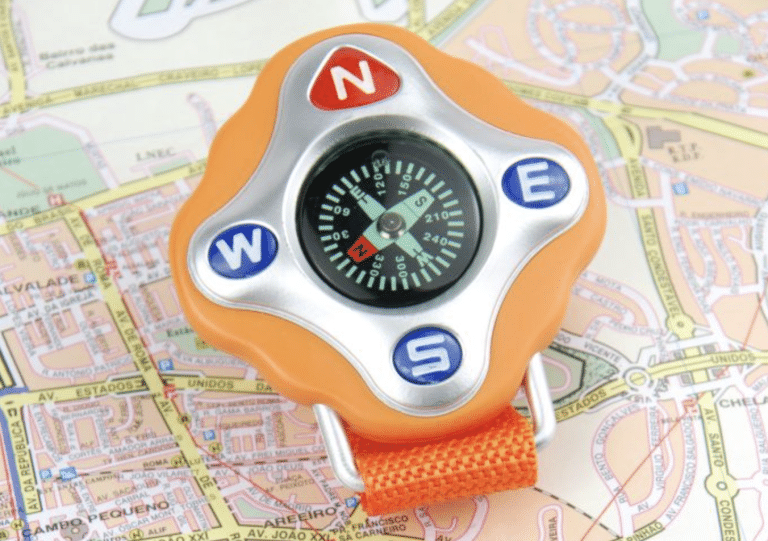
Download the trail map before leaving cell range, not after you realize you need it. A backup paper map is worth having too, since phone batteries can die.
7. Hiking Alone Without Basic Precautions
Solo hiking isn’t inherently a mistake, plenty of experienced hikers do it regularly, but first-timers going alone without any of the basic precautions (telling someone the plan, carrying extra supplies, sticking to well-traveled trails) take on more risk than they realize. It’s a different calculation than hiking solo once you know your own limits.
If hiking alone as a beginner, stick to popular, well-marked trails and be extra diligent about the other items on this list. A busier trail means help is more likely to be nearby if something goes wrong.
6. Not Knowing Basic Trail Etiquette
Simple things like which direction has the right of way on a narrow trail, or how to step aside for others, aren’t intuitive if you’ve never hiked before. It’s a minor mistake in the sense that it’s not dangerous, but it can make for some awkward or frustrating trail encounters.
Generally, hikers going uphill have the right of way, and it’s polite to step to the downhill side of the trail when yielding. A quick search on basic trail etiquette before your first hike smooths this out fast.
5. Overestimating Your Own Pace
First-timers often plan a hike based on an assumed pace that doesn’t account for breaks, photo stops, and simply being less trail-fit than they expect. This ties directly back to starting too late and underestimating total time.
Use a more conservative pace estimate for planning, especially on unfamiliar terrain. It’s easier to finish early than to realize halfway through that the math isn’t working out.
4. Not Bringing a Basic First Aid Kit
Minor injuries, blisters, cuts, a rolled ankle, happen more often than people expect, and not having anything to address them on the spot turns a small problem into a bigger one. A first aid kit doesn’t need to be elaborate for a day hike.
A small kit with basics (bandages, blister pads, an antiseptic wipe, some pain relievers) covers most situations that come up. It takes up very little space and weight relative to how useful it is when actually needed.
3. Ignoring Signs of Blisters or Discomfort Until It’s Too Late
Small foot discomfort early in a hike often turns into a serious blister if it’s ignored rather than addressed right away. First-timers sometimes push through discomfort assuming it’ll work itself out, which usually makes it worse.
Stop and address hot spots the moment you notice them, before they become full blisters. A blister pad applied early can save the rest of the hike.
2. Not Respecting Wildlife Distance
Getting too close to wildlife for a photo is a common first-timer mistake that can be truly dangerous depending on the animal, and it’s also disruptive to the animal itself regardless of the specific risk. This applies even to animals that seem calm or used to people.
Keep a respectful distance and use zoom for photos rather than approaching. Research the specific wildlife guidelines for the area you’re hiking in ahead of time.
1. Turning Back Too Late When Conditions Change
The single most important mistake on this list is pushing forward when weather, daylight, or physical condition suggest turning back is the smarter call. Summit fever, the pull to keep going despite warning signs, is a real thing, and it’s led to a lot of preventable trouble over the years.
Set a turnaround time before you start and stick to it regardless of how close you feel to the goal. The trail will still be there another day, and that’s always worth remembering when the conditions start turning.