Building a Realistic Backpacking Meal Plan
My first backpacking meal plan was a disaster, a mismatched pile of food I’d grabbed from a grocery store the night before a trip, half of which needed cooking equipment I hadn’t packed and none of which actually added up to enough calories for the miles I was covering. I finished that trip genuinely hungry and a little annoyed at myself, which turned out to be the push I needed to actually think through meal planning as its own step rather than an afterthought.
What follows is the approach I’ve settled into since then, one that’s held up across a lot of trips of varying length and terrain. It’s less about specific recipes and more about a planning process that consistently produces meals that are realistic to actually cook, light enough to carry, and substantial enough to keep you moving.
Start With Total Calories, Not Meal Ideas
The mistake I made early on was picking meals that sounded good without actually calculating whether they added up to enough food for the physical demands of the trip. Backpacking burns a fair amount more calories than most daily activity, and a general planning target of somewhere around 2,500 to 4,500 calories per day, depending on your body size, pack weight, and terrain difficulty, is a more useful starting point than picking meals first and hoping they add up.
Once you know your rough daily target, working backward to fill it with actual meals becomes much more straightforward than trying to guess your way there. This single shift in approach, calories first, meal ideas second, made the biggest difference in my own planning.
Weight-to-Calorie Ratio Matters More Than Taste Alone
Every ounce carried on a backpacking trip matters more than it would on a car camping trip, which means food choices need to balance calorie density against actual weight, not just flavor preference. Foods high in fat and complex carbohydrates tend to offer the best calorie-to-weight ratio, which is part of why dehydrated and freeze-dried meals dominate a lot of backpacking food lists despite not being anyone’s first choice for taste.
I’ve found a reasonable middle ground works better than going to either extreme, some genuinely tasty freeze-dried meals exist, and mixing in a few higher-quality options alongside more basic staples keeps morale up without blowing the weight budget. This connects to the same weight-conscious thinking I laid out in my piece on choosing the right tent for your specific camping style, where every category of gear, food included, benefits from being evaluated against how you’re actually carrying it.
Breakfast: Fast and Simple Wins
Mornings on a backpacking trip tend to be rushed, and a breakfast that requires a lot of prep or cleanup eats into time you’d rather spend covering ground. I’ve settled on instant oatmeal with added nut butter or a protein boost mixed in, since it requires only boiling water and cleans up easily, as my default breakfast for nearly every trip.
Cold-soak options, food that rehydrates without needing to be boiled, work well for trips where minimizing stove time matters, either for weight reasons or simply to get moving faster in the morning. This is worth testing at home before a real trip, since not every cold-soak meal actually rehydrates as well as its packaging suggests.
Lunch: Built for Grazing, Not Sitting Down
I’ve moved away from a traditional sit-down lunch on most backpacking days in favor of grazing on higher-calorie snacks throughout the day, which keeps energy more consistent than one larger midday meal followed by an afternoon slump. This approach also means less time spent stopped, which matters on longer mileage days.
Trail mix, jerky, hard cheese, and energy bars all work well for this style of eating, and building a varied mix rather than one repetitive snack prevents the flavor fatigue that tends to set in by day three of a longer trip. This is a detail that’s easy to underestimate until you’re staring at your fifth identical energy bar of the trip and dreading it.
Dinner: The Meal Worth Investing a Bit More In
Dinner is generally the one meal I’m willing to spend a bit more time and weight on, since it’s eaten at camp rather than on the move, and a warm, satisfying dinner does real work for morale after a long day. This is where I’ll use my camp kitchen system most fully, since dinner tends to be the meal with the most actual cooking involved.
A one-pot approach works best for most backpacking dinners, both for simplicity and for minimizing cleanup, and pre-portioning ingredients or a full freeze-dried meal at home removes decision fatigue at the end of a tiring day. I try to plan dinner specifically around what I’ll actually feel like cooking when I’m exhausted, not what sounds appealing while I’m planning from a comfortable kitchen at home.
Portioning and Pre-Packing at Home
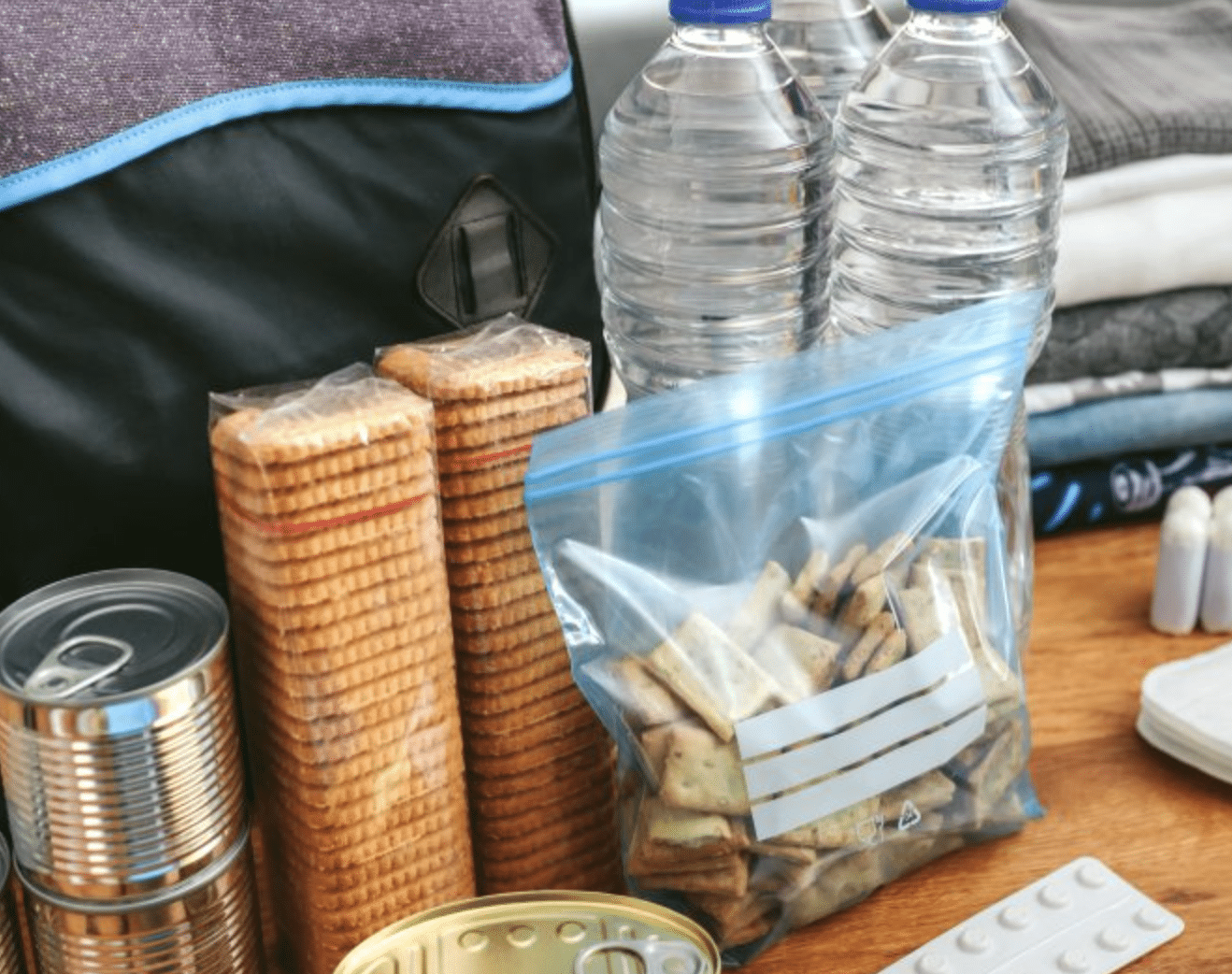
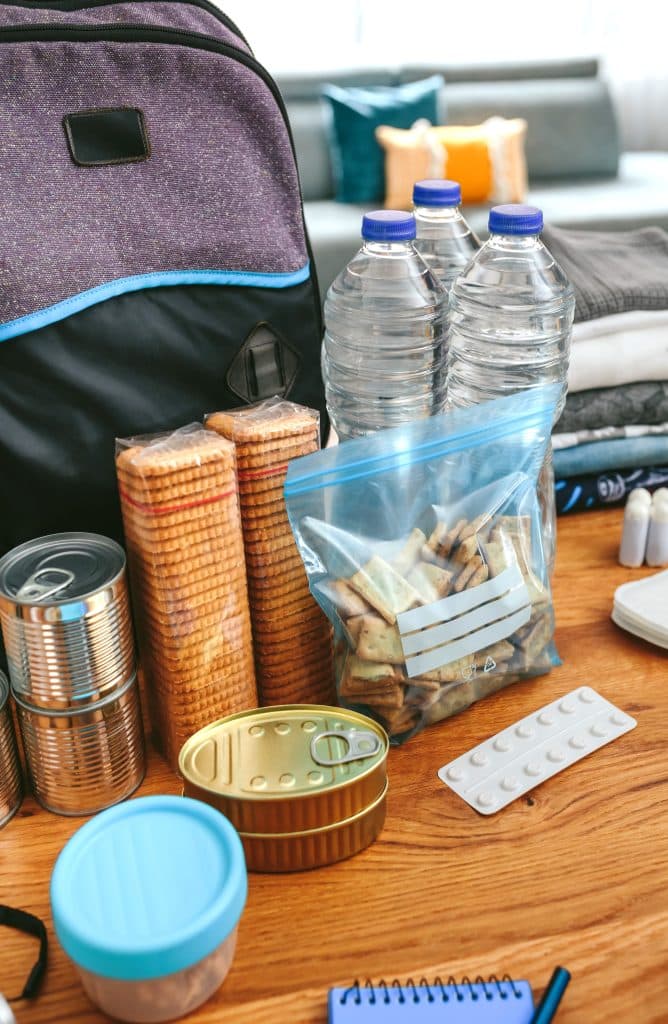
Doing all your food prep and portioning before the trip, rather than at the campsite, saves real time and reduces the chance of forgetting an ingredient partway through. I pre-portion every meal into its own labeled bag at home, organized by day, which means grabbing “Day 2 Dinner” gets me everything I need in one motion rather than assembling a meal from scattered ingredients.
This is the same organizational logic behind the modular system I use for my full camp kitchen setup, just scaled specifically to food. Labeling by day and meal type, rather than by ingredient, removes decision-making from the equation entirely once you’re actually on the trail and tired.
Water Needs Tied to Meal Planning
Food and water planning are more connected than people initially realize, since a lot of backpacking meals require boiling or rehydrating with water, which means your meal plan directly affects how much water treatment capacity you need to carry or access along the route. I’ve made the mistake of planning meals that assumed easy water access that didn’t actually exist at a specific point on a trail, which is a frustrating discovery to make with a hungry stomach and limited daylight left.
Cross-reference your meal plan against your actual water source map before finalizing either one. This kind of planning mismatch is exactly the sort of small oversight covered in my broader post on common hiking mistakes, where the smaller planning gaps tend to cause more frustration than the bigger, more obvious ones.
Building in Some Flexibility
Even with careful planning, appetite and taste preferences shift during a physically demanding trip in ways that are hard to fully predict from home. I’ve learned to pack a slight buffer of extra calories, generally in a flexible form like extra trail mix or an additional energy bar per day, rather than planning meals down to the exact calorie with no margin at all.
This buffer has saved more than one trip where a planned meal just didn’t sound appealing on a given evening, and having a flexible backup meant I wasn’t stuck eating something I actually didn’t want simply because it was the only thing left in that day’s bag.
Final Thoughts
A good backpacking meal plan isn’t really about finding the perfect recipes, it’s about building a realistic system that accounts for actual calorie needs, weight constraints, and the reality of cooking while tired at the end of a long day. Once you’ve built a few solid meal templates that work reliably, planning future trips becomes a matter of adjusting quantities and rotating in some variety, rather than starting from scratch every single time.
Test any new meal or product at home before committing to it on an actual trip, the same advice I’d give for any new gear. Discovering a meal doesn’t rehydrate properly or just doesn’t sit well is a far better thing to learn in your own kitchen than three days into a trip with no backup plan.