Solo Travel Safety: Practical Habits, Not Paranoia
I get asked fairly often, usually by people considering their first solo trip, whether solo travel is actually safe, and my honest answer is that it’s generally about as safe as any other kind of travel, provided you’ve built a few practical habits rather than either ignoring safety entirely or letting anxiety about it keep you from going at all. There’s a real middle ground between naive and paranoid, and most experienced solo travelers I know operate comfortably within it.
This guide covers the habits I actually use, developed over a fair number of solo trips, rather than a generic list of overly cautious advice that would make any trip feel stressful to actually enjoy.
Share Your Itinerary With Someone at Home
This is probably the single most valuable habit for solo travel safety, and it costs almost nothing to do. Sharing a rough itinerary, where you’re staying, when you expect to move between locations, with a trusted person back home means someone would notice and could act if something genuinely went wrong.
This doesn’t need to be a rigid, minute-by-minute schedule, a general outline updated every few days is enough. I send a quick check-in message to a family member roughly every couple of days on a solo trip, more of a habit at this point than something I consciously think about.
Research Neighborhood Safety Before Booking Accommodation
A bit of research into a destination’s specific neighborhoods, rather than assuming an entire city carries uniform safety, helps avoid accidentally booking accommodation in an area that’s genuinely less comfortable for a solo traveler, particularly at night. This is worth doing before booking, not after arrival when changing plans is more disruptive.
This connects to the same research habit I’ve recommended for choosing where to stay more generally, staying slightly outside a main tourist center for cost savings, but with an added safety layer specifically for solo travelers, cross-checking that a cheaper neighborhood is still a really comfortable one to navigate alone.
Trust Your Instincts Without Overthinking Every Moment
A recurring theme across a lot of the safety and awareness writing I’ve done, including in my post about reading situations correctly outdoors, is that a general uneasy feeling, even without a specific identifiable reason, is worth taking seriously rather than dismissing. This applies just as much to an unfamiliar street or an uncomfortable social situation while traveling solo as it does to reading conditions in the wilderness.
That said, I’d caution against the opposite extreme, treating every unfamiliar situation as a threat simply because it’s unfamiliar. Most solo travel discomfort comes from novelty, not actual danger, and learning to tell the difference between “this feels foreign” and “something is actually off” is a skill that develops with experience and improves the more you travel.
Keep Copies of Important Documents Separate From the Originals
Losing a passport or having it stolen while traveling solo is a actually more stressful situation than the same loss with a travel companion who can help navigate replacement logistics. Keeping a physical or digital copy of key documents, stored separately from the originals, meaningfully speeds up the replacement process if it’s ever needed.
I keep a photo of my passport’s information page saved securely on my phone, along with a printed copy packed separately from where I carry the actual document. This is a small prep step, similar in spirit to the document organization habits I’ve written about for travel generally, that removes a lot of stress from an already stressful situation if it comes up.
Blend In Rather Than Stand Out as an Obvious Tourist
Solo travelers, particularly in unfamiliar destinations, are sometimes specifically targeted by petty theft or scams simply for appearing lost or unfamiliar with local norms. A bit of research into local dress norms, avoiding obviously expensive jewelry or gear, and generally moving with some confidence, even when unsure of a route, reduces how much you stand out as an easy target.
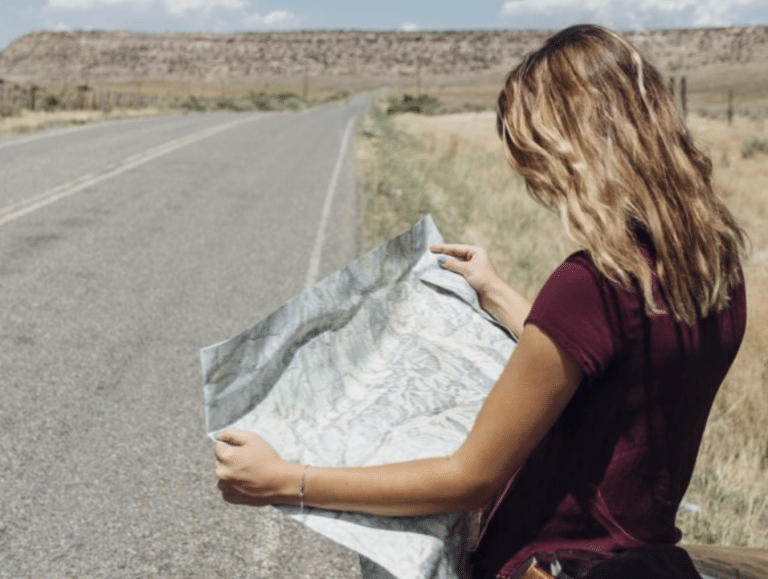
This doesn’t mean pretending to be a local or hiding that you’re traveling, it just means being reasonably thoughtful about how much you visibly signal “unfamiliar and distracted” in a way that draws unwanted attention. Checking a map discreetly rather than standing in the middle of a busy street with an obviously confused expression is a small, practical version of this habit.
Have a Communication Plan for Emergencies
Beyond the general check-in habit mentioned earlier, having a specific plan for how you’d communicate in an actual emergency, not just a routine update, matters. This includes knowing how to contact your home country’s embassy or consulate in your destination, having your travel insurance information accessible, and knowing basic local emergency numbers, which differ from country to country and aren’t always the same number you’re used to at home.
Research this specific information before departure, save it somewhere accessible on your phone, and don’t assume you’ll be able to look it up easily in an actual emergency when you might have limited connectivity or be dealing with a language barrier. A few minutes of prep here removes real uncertainty if something does go wrong.
Solo Dining and Solo Activities Without Overthinking It
A lot of first-time solo travelers feel more anxious about solo dining or solo activities than about actual physical safety, and I think this deserves acknowledgment as a real, separate concern from safety itself. My honest experience is that this becomes far more comfortable with practice, and most destinations that see regular solo tourism are accustomed to solo diners and solo activity participants.
Bringing a book or simply being comfortable sitting with your own thoughts during a solo meal removes a lot of the self-consciousness that tends to fade after the first day or two of a solo trip anyway. This isn’t a safety tip exactly, but it’s a real part of what makes solo travel feel comfortable rather than just tolerable.
Balancing Connection With Caution When Meeting Other Travelers
Meeting other travelers is one of the genuine highlights of solo travel for a lot of people, and I don’t think safety advice should discourage this connection entirely. A reasonable middle ground is meeting others in public settings initially, sharing rough plans with someone at home if you’re heading somewhere less public with a new acquaintance, and trusting the same instinct-based awareness discussed earlier rather than either extreme of complete openness or complete isolation.
Most interactions with other travelers are really positive, and I don’t think solo travel safety should mean approaching every new person with suspicion. It just means applying the same general awareness you’d use in any unfamiliar social situation, at home or abroad.
Final Thoughts
Solo travel safety, in my experience, comes down to a handful of practical, low-effort habits rather than constant vigilance or avoiding solo travel altogether out of excess caution. Sharing your itinerary, researching neighborhoods before booking, keeping document copies separate, and having an actual emergency communication plan cover most of what really matters, and none of it requires treating every unfamiliar situation as a threat.
If solo travel anxiety has been holding you back from a trip you actually want to take, I’d encourage starting with a shorter, more familiar destination to build confidence before attempting something more ambitious. The comfort that comes with experience is real, and most people who travel solo regularly describe it as one of the more rewarding things they do, not the constant risk it can feel like before that first trip.