17 Wilderness First Aid Basics Worth Learning Now
I’m not a medical professional, and nothing here is a substitute for an actual wilderness first aid course, which I’d genuinely recommend to anyone who spends regular time outdoors. What I can offer is a general overview of the basics worth knowing before you’re ever in a situation where you actually need them, since a lot of this knowledge is far more useful learned calmly ahead of time than looked up in a panic.
This list covers general awareness and basic response concepts, not detailed medical treatment protocols, which really do require proper hands-on training to apply safely and correctly. Think of this as a starting point for what’s worth learning more about, not a replacement for actually learning it properly.
17. How to Assess a Situation Before Acting
Before addressing any injury, a quick assessment of the overall scene, is it safe to approach, are there ongoing hazards, how many people are affected, matters more than jumping straight to treating a visible injury. Rushing in without this quick assessment can occasionally make a situation worse or put a second person at risk.
Take a few seconds to look at the whole situation before acting, even when the instinct is to move immediately. This habit is something formal first aid training emphasizes early for good reason.
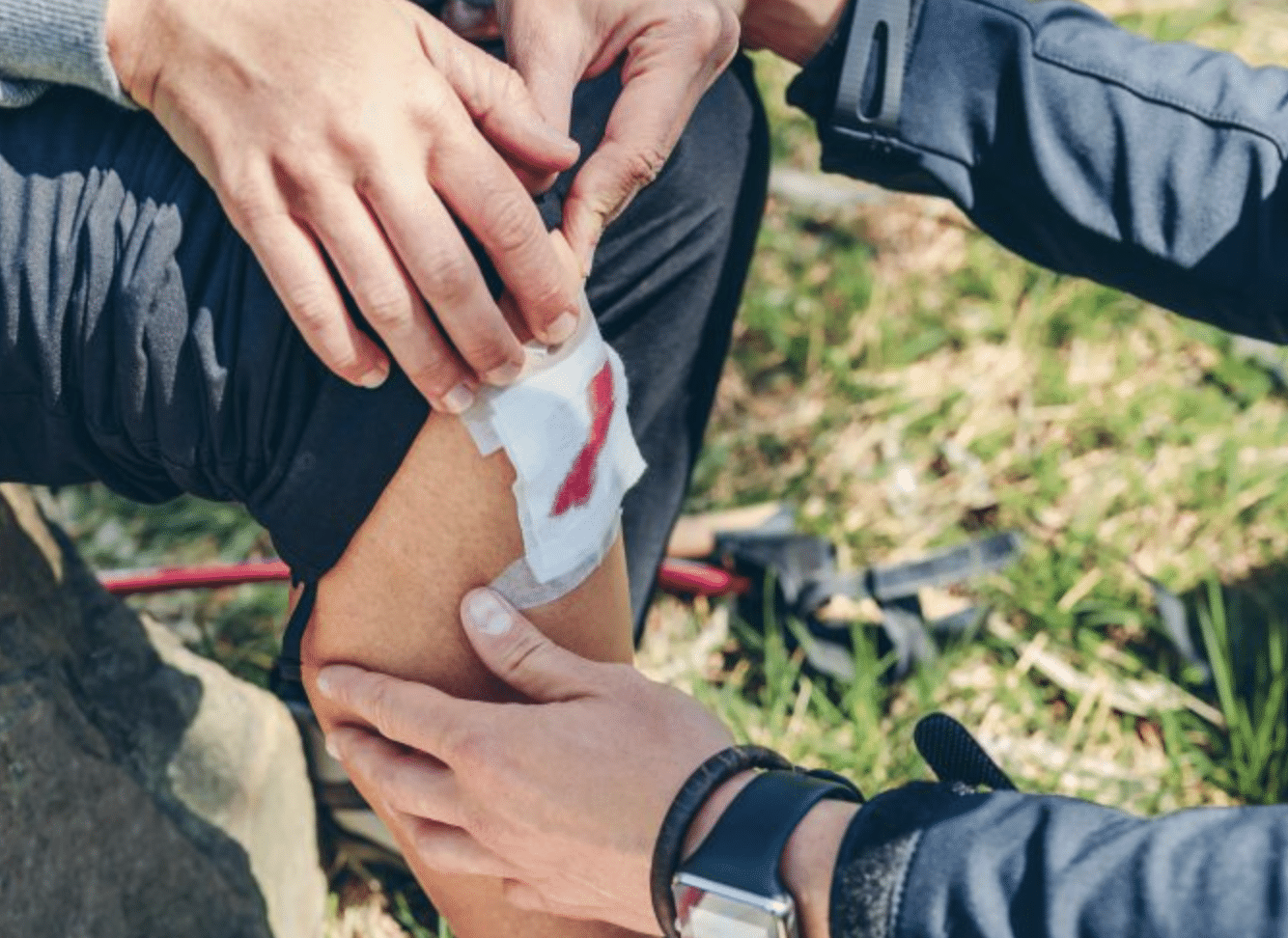
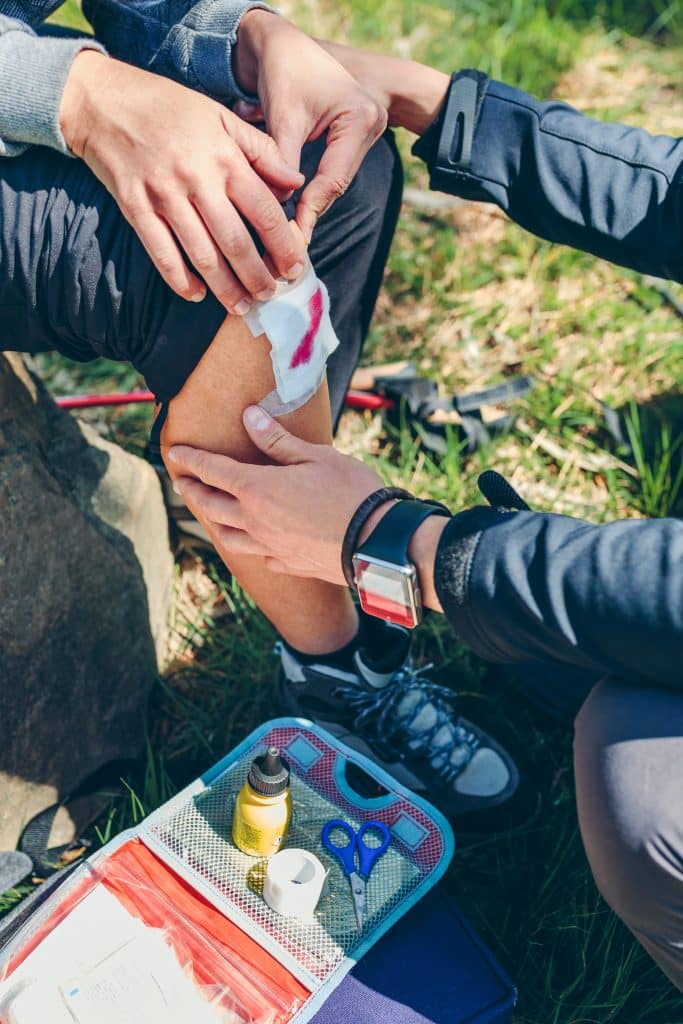
16. Basic Wound Cleaning and Bandaging
Understanding how to clean a wound properly, generally with clean water and mild pressure to control bleeding, and apply an appropriate bandage, covers a large percentage of the minor injuries that actually happen outdoors. This is one of the more commonly used skills on any trip, even without a major emergency.
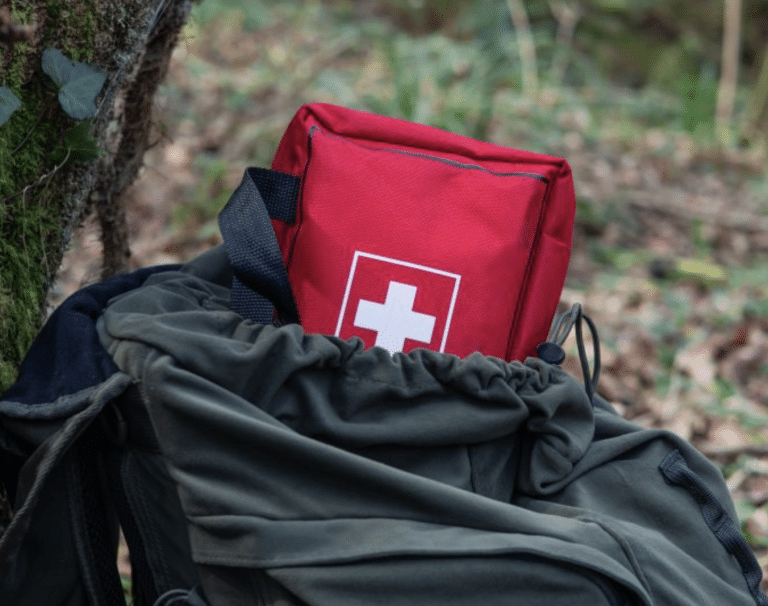
Carry a basic first aid kit with supplies for this specifically, and know how to use each item in it before you need to. A proper wilderness first aid course covers this in much more depth than a general list like this one can.
15. Recognizing Signs of Dehydration
Understanding the general signs of dehydration, fatigue, headache, dizziness, dark urine, helps catch a developing problem before it becomes more serious. This is one of the more common issues in outdoor settings and one of the more preventable ones with early recognition.
Address suspected dehydration early with steady fluid intake rather than waiting for symptoms to become severe. Prevention through consistent hydration throughout a trip is far easier to manage than treating dehydration once it’s progressed.
14. Recognizing Signs of Heat-Related Illness
Understanding the general progression from heat exhaustion to the more serious heat stroke, and knowing that heat stroke is a genuine medical emergency requiring immediate professional help, matters for anyone spending time outdoors in warm conditions. Symptoms like confusion, hot dry skin, or loss of consciousness indicate a level of severity that needs emergency care.
If you suspect heat stroke specifically, this requires immediate emergency medical attention, not just self-treatment in the field. Learning the specific distinguishing signs between heat exhaustion and heat stroke is a core part of most wilderness first aid courses.
13. Recognizing Signs of Hypothermia
Understanding the early signs of hypothermia, shivering, confusion, slurred speech, matters a fair bit for outdoor activities in cold or wet conditions, since early recognition and response make a substantial difference in outcomes. This can develop faster than people expect, even in conditions that don’t feel extremely cold.
If hypothermia is suspected, getting the person warm, dry, and out of wind and wet conditions as quickly as possible is a general priority, alongside seeking emergency help for anything beyond mild, early-stage symptoms. This is a topic worth learning about in real depth given how serious it can become.
12. How to Stabilize a Suspected Sprain or Fracture
General principles around immobilizing an injured limb and avoiding unnecessary movement help prevent further injury while arranging for evacuation or medical help. This is an area where proper training actually matters, since improper immobilization can sometimes cause additional harm.
A wilderness first aid course covers proper splinting techniques in real depth, which is worth learning hands-on rather than just reading about. General awareness of the importance of stabilization and minimizing movement is a reasonable starting point before that more detailed training.
11. Basic Understanding of When to Evacuate Versus Treat in Place
Not every injury requires immediate evacuation, but some do, and understanding the general difference matters for making a sound decision under pressure. This judgment call becomes much easier with proper training and a bit of practiced decision-making frameworks.
Err on the side of caution when uncertain, and don’t hesitate to seek professional help for anything that seems potentially serious. Wilderness first aid courses typically cover decision-making frameworks specifically designed for this kind of judgment call.
10. Recognizing an Allergic Reaction
Understanding the signs of a developing allergic reaction, and knowing whether anyone in your group carries an epinephrine auto-injector for a known severe allergy, matters for responding quickly if a reaction occurs. Severe reactions can progress quickly, making early recognition actually important.
If traveling with someone who has a known severe allergy, make sure their emergency medication is easily accessible, not buried in a pack, and that others in the group know where it is and how to help if needed. This is worth discussing directly before a trip rather than assuming it’ll come up naturally if needed.
9. Basic CPR Awareness
While hands-on CPR training is necessary to perform it correctly, having a general awareness of when and why it’s used, and ideally taking an actual certified course, is valuable for anyone spending significant time in remote areas where emergency help may be far away. This isn’t something to attempt to learn purely from written material.
Consider taking an in-person CPR certification course if you spend regular time in remote outdoor settings. This is one of the areas on this list where hands-on training actually matters more than any written overview could provide.
8. How to Treat Minor Burns
Understanding basic burn care, cooling the area with clean water and covering loosely, for minor burns helps manage a fairly common outdoor injury, particularly around camp stoves and fires. More severe burns require professional medical care beyond basic field treatment.
Avoid common myths like applying butter or ice directly to a burn, both of which can worsen the injury rather than help it. Basic burn care is a common component of most first aid courses given how frequently minor burns occur around cooking setups.
7. Recognizing Symptoms of Altitude Sickness
For trips involving significant elevation gain, understanding the early symptoms of altitude sickness, headache, nausea, fatigue beyond what exertion alone would explain, matters for making a sound decision about whether to continue ascending or descend. This is a genuine risk on many high-elevation trips that’s worth planning around ahead of time.
The general guidance for altitude sickness is that symptoms shouldn’t be ignored, and descending to a lower elevation is often the appropriate response if symptoms are more than mild. Research the specific risks for any high-elevation trip you’re planning well before departure.
6. Basic Understanding of Shock and Its Signs
Recognizing the general signs of shock, pale or clammy skin, rapid breathing, confusion, matters because shock can develop as a secondary complication of a range of injuries, not just the most obvious ones. Understanding this helps you continue monitoring someone even after addressing a visible injury.
Keep an injured person warm, calm, and monitored for these signs even after initial treatment of a visible injury. This is an area where a proper wilderness first aid course provides far more depth and practical training than a general overview can offer.
5. How to Improvise Basic First Aid Supplies
Understanding how to improvise, using clean clothing as a bandage, a sturdy stick as a splint support, matters in situations where your actual kit is limited or has run out. This is a skill worth practicing in low-stakes settings rather than assuming you’ll figure it out under pressure.
Practice basic improvisation techniques occasionally, even just conceptually, so the idea isn’t completely foreign if you’re ever in a situation requiring it. This complements, rather than replaces, carrying a proper first aid kit in the first place.
4. Basic Awareness of Poison and Toxin Exposure Symptoms
General awareness of symptoms that might indicate exposure to a toxic plant, insect bite, or other environmental hazard specific to your area helps you respond appropriately rather than dismissing early symptoms. This varies a fair amount by region, so research specific to where you’re traveling matters more than generic knowledge.
Research the specific plants, insects, and other regional hazards relevant to wherever you’re actually traveling, rather than relying on general knowledge that might not apply. This kind of location-specific research is worth doing before every trip to a new area.
3. How to Signal for Help Effectively
Beyond carrying a whistle, understanding basic signaling methods, ground-to-air signals, using a mirror, general visibility techniques, matters if you’re ever in a position where rescue efforts are actively searching for you. This is a skill that’s easy to overlook until it’s needed.
Learn a few basic ground signal patterns recognized by search and rescue teams, and consider practicing with a signal mirror before you need it in an actual emergency. This is a relatively quick skill to learn that can make a real difference in how fast help finds you.
2. Understanding Your Own Limits and When to Ask for Help
Recognizing when a situation is beyond your own knowledge or ability, and being willing to seek professional help rather than trying to handle everything independently, is itself an important first aid skill. This isn’t about lacking confidence, it’s about accurately assessing a truly difficult situation.
There’s no shame in calling for professional help sooner rather than later when a situation feels beyond your training. This mindset, more than any individual skill, tends to lead to better outcomes across a wide range of wilderness emergencies.
1. Taking an Actual Wilderness First Aid Course
Everything on this list is a starting point for awareness, not a substitute for genuine hands-on training. A proper wilderness first aid course, taught by a certified instructor, covers all of these topics in far more depth and lets you practice the physical skills involved rather than just reading about them.
If you spend any regular amount of time outdoors, I’d truly recommend taking a real course rather than relying on articles like this one for anything beyond general awareness. It’s one of the better investments of time I’ve made related to my own outdoor activities, and it’s the kind of knowledge you hope you never need but are truly glad to have if you do.