15 Items Every Survival Kit Should Actually Have
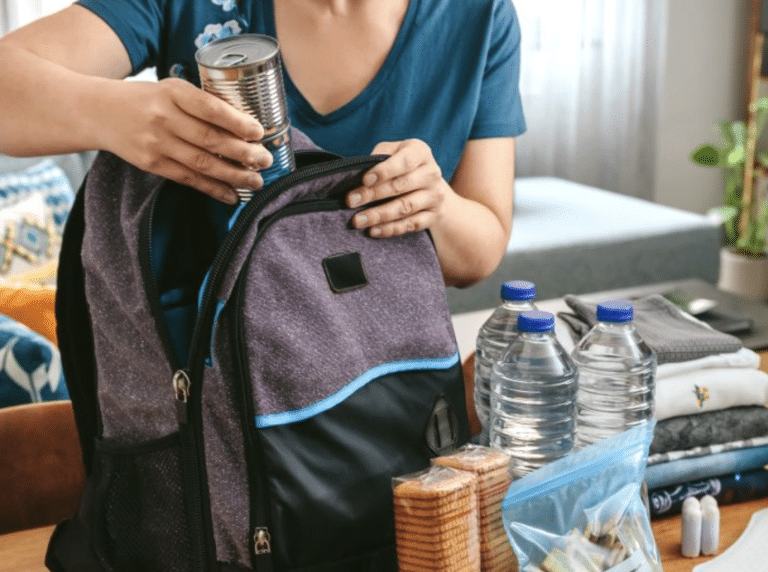
I’ve put together and repacked my own kit more times than I can count over the years, usually after realizing something I thought was essential never actually got used, or something I hadn’t packed turned out to matter a lot. What follows is where I’ve landed after all that trial and error, the items I genuinely think earn a spot in a real kit, not the exhaustive doomsday-prep lists you sometimes see floating around.
This isn’t about building the biggest kit possible. A kit that’s realistic to actually carry and use matters more than one that looks impressive but never leaves the closet because it’s too heavy or complicated. Here are the 15 items I think matter most, along with why I think each one earns its place.
15. A Reliable Fire Starter
Beyond a basic lighter, which I still carry as a primary option, a backup fire starter that works even when wet, a ferro rod or waterproof matches, is worth including given how much fire matters for warmth, water purification, and signaling. Redundancy matters here more than almost any other category.
I keep both a lighter and a ferro rod in my kit, stored in separate waterproof containers. Having a backup for something this important is worth the small amount of extra weight.
14. A Quality Multi-Tool or Knife
A solid knife or multi-tool covers an enormous range of tasks, cutting cordage, food prep, gear repair, and it’s one of the more versatile single items you can carry. I’d rather have one really good knife than several cheap ones.
Learn basic maintenance, keeping an edge sharp, so it performs reliably when you need it. This is an item worth spending a bit more on relative to some other kit contents, since quality actually affects performance here.
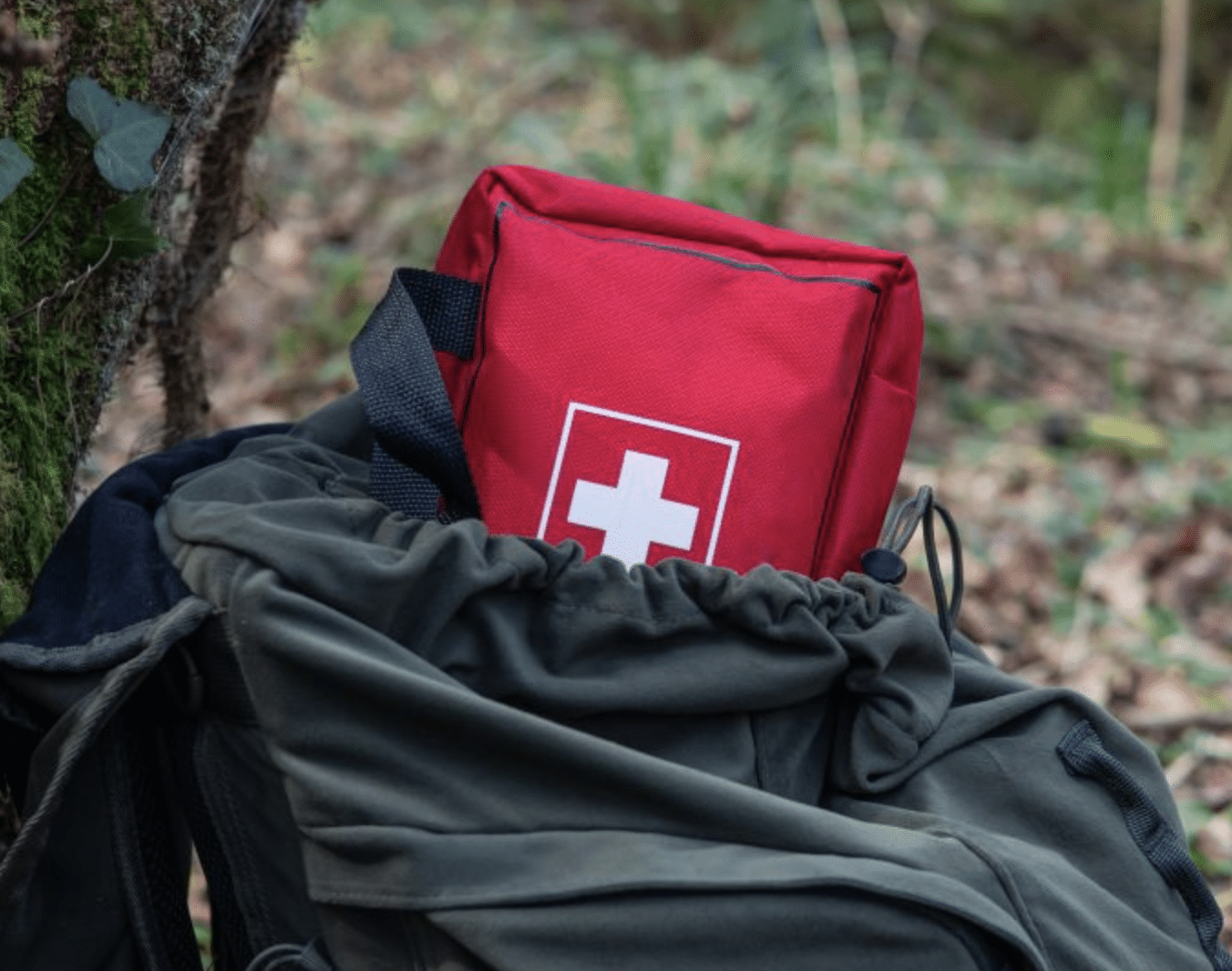
13. A Basic First Aid Kit
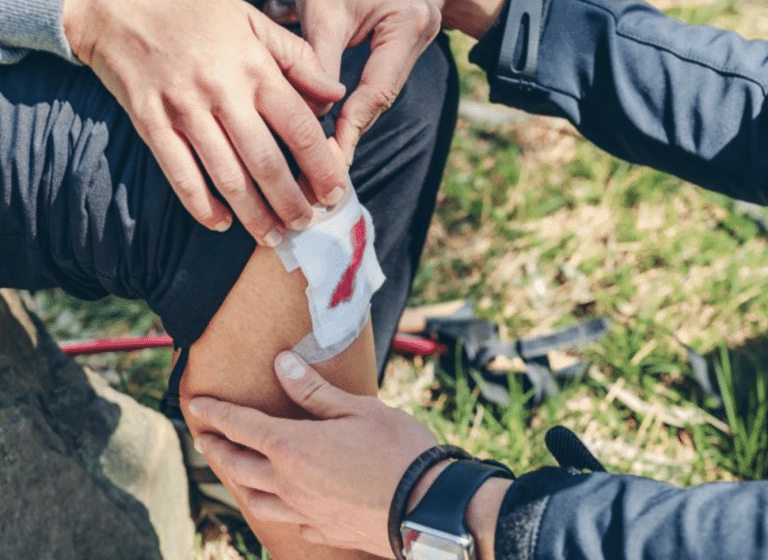
Minor injuries are far more likely than major emergencies, and having supplies to handle cuts, blisters, and basic wound care prevents small problems from becoming bigger ones. This doesn’t need to be an elaborate medical kit for most trip types.
Include bandages, antiseptic wipes, blister treatment, and any personal medications you might need. Check and restock this kit periodically, since items expire or get used up between trips.
12. A Reliable Water Filter or Purification Method
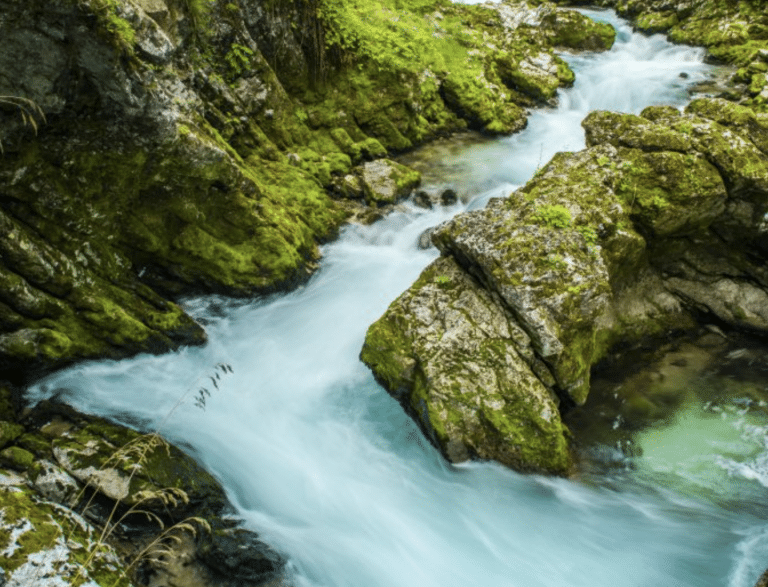
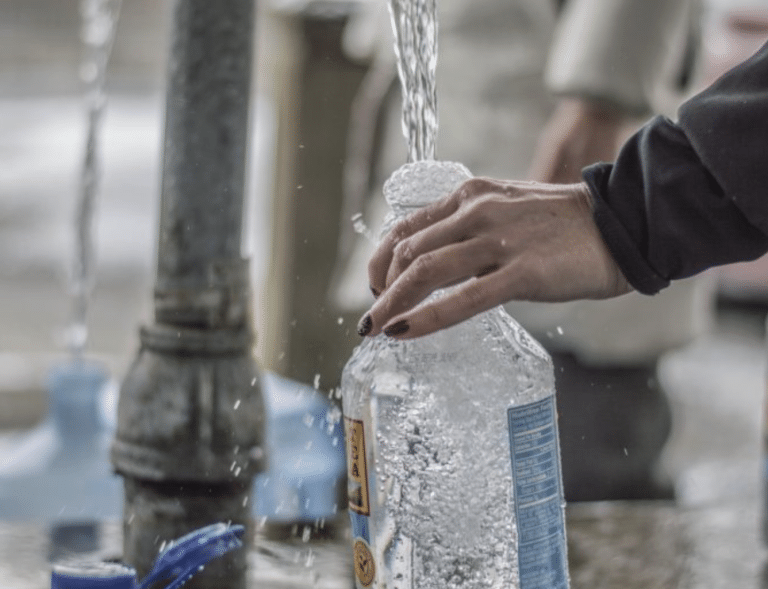
Water is one of the most time-sensitive needs in any survival situation, and carrying a filter or purification tablets means you’re not solely dependent on finding already-safe water sources. This is worth prioritizing over carrying large amounts of water itself, which adds significant weight.
A compact filter designed for backcountry use covers most realistic scenarios. Purification tablets make a solid lightweight backup in case a filter fails or gets lost.
11. An Emergency Shelter or Space Blanket
A lightweight emergency shelter, even just a compact space blanket or bivy sack, provides real protection from wind and cold in a situation where you’re unexpectedly stuck outside overnight. These pack down small enough that there’s little reason not to include one.
Practice actually setting up or using whatever shelter option you choose before you need it in a real situation. Familiarity with the gear matters as much as having it in the first place.
10. A Headlamp With Extra Batteries
Hands-free light matters more than people expect until they’ve actually needed to navigate or work on something in the dark with a flashlight in one hand. A headlamp solves this cleanly, and extra batteries mean you’re not stuck once the initial charge runs out.
Check battery levels before every trip rather than assuming they’re still good from last time. This is a small habit that prevents a frustrating situation.
9. A Whistle for Signaling
A whistle carries much further than shouting and takes far less energy to use repeatedly, which matters if you’re trying to signal for help over an extended period. It’s a small, lightweight item that’s easy to overlook in favor of flashier gear.
Three sharp blasts is a widely recognized distress signal, worth knowing if you’re ever in a position to use it. This is one of the lowest-cost, lowest-weight items on this whole list relative to how useful it can be.
8. A Map and Compass, Even With a Phone as Backup
Electronics fail or lose battery, and a physical map paired with basic navigation knowledge is a backup that doesn’t depend on charge or signal. I still carry both a phone with offline maps and a physical map and compass, since redundancy matters for navigation just as much as fire.
Learn how to actually use a compass properly, including adjusting for magnetic declination in your area, before you need to rely on it. This is a skill worth practicing well ahead of any situation where it actually matters.
7. High-Calorie, Long-Lasting Food
A small supply of energy-dense, non-perishable food, things like nuts, dried fruit, or energy bars, provides a real energy reserve without adding much weight. This isn’t meant to replace regular meals on a normal trip, it’s specifically for unexpected extended time outdoors.
Rotate this food periodically so it doesn’t sit in a kit for years past any reasonable freshness window. A small, regularly refreshed supply is more useful than a large, stale one.
6. Cordage
A length of quality paracord or similar cordage has an enormous range of uses, from shelter building to gear repair to first aid. It packs down small and weighs very little relative to how often it actually gets used.
Fifty to a hundred feet is usually plenty for most kit purposes without adding significant bulk. This is one of those items that seems minor until the specific moment you actually need it.
5. A Weatherproof Way to Carry Everything
The kit itself needs a container that actually protects its contents from water and general wear, whether that’s a dedicated dry bag or a well-built pack with reliable weatherproofing. A great kit stored in a bag that lets water in defeats a lot of the purpose.
Check seams and closures periodically for wear, especially if the kit sees regular use. This is an easy detail to overlook since it’s not as exciting as the individual items inside it.
4. A Small Repair Kit
Gear failures, a broken strap, a torn tent, a snapped pole, happen more often than people expect, and a small repair kit with duct tape, a needle and thread, and a few zip ties can fix a surprising number of problems on the spot. This isn’t glamorous gear, but it consistently earns its place.
Wrap a length of duct tape around a lighter or water bottle rather than carrying a full roll, to save space. This small trick has saved more trips than I can count over the years.
3. Sun Protection
Sunscreen, lip balm with SPF, and a way to cover exposed skin matter more than people initially think, both for comfort and for reducing health risk over extended time outdoors. This is an easy category to underpack since it doesn’t feel as urgent as other survival essentials.
Pack travel-size sunscreen to save space, and consider clothing with built-in sun protection for extended outdoor time. This matters even in cooler or overcast conditions, where sun exposure is still a real factor.
2. Personal Medications and Documentation
Any personal medications, along with a small card noting allergies or medical conditions, matter a fair amount if you’re ever in a situation where someone else needs to help you and you’re not able to communicate that information yourself. This is an easy item to overlook since it’s specific to the individual rather than a generic kit item.
Keep at least a few days’ supply of any critical medications in your kit specifically, separate from your regular daily supply. Update this regularly as prescriptions or medical information changes.
1. Knowledge, Practiced Ahead of Time
This isn’t a physical item, but it’s the single most important thing on this list, actually knowing how to use everything else in the kit before you’re in a situation where it matters. A kit full of gear you’ve never practiced with is far less useful than a smaller kit you know how to use well.
Set aside time periodically to actually practice with your kit, starting a fire with your fire starter, using your water filter, setting up your emergency shelter, in low-stakes conditions. This single habit does more for actual preparedness than any individual item on this entire list.