Cold Weather Survival: What Actually Keeps You Warm
I spent a genuinely miserable night on a winter camping trip years ago, dressed in what I thought was plenty warm enough, before realizing the hard way that a lot of common assumptions about staying warm outdoors are either incomplete or flat wrong. That trip sent me down a real rabbit hole learning the actual mechanics of how the body loses and retains heat, which turned out to be more useful and more counterintuitive than I expected.
This isn’t a substitute for real cold weather training if you’re planning serious winter travel, but it covers the core principles that make the biggest practical difference for most people spending time in cold conditions, whether that’s a winter hike, a cold camping trip, or just being prepared for an unexpected cold weather emergency.
Understanding How the Body Actually Loses Heat
Heat loss happens through a few distinct mechanisms, conduction, convection, radiation, and evaporation, and understanding each one changes how you actually dress and behave in cold conditions. Conduction is heat loss through direct contact, like sitting on cold ground, convection is heat carried away by moving air like wind, radiation is heat simply radiating off your body into cooler surroundings, and evaporation is heat lost as moisture, sweat included, evaporates from your skin.
Most people intuitively address radiation, more clothing, without thinking as much about the other three, which is a real gap. Wind protection addresses convection, insulation from the ground addresses conduction, and staying dry addresses evaporation, and all four matter roughly equally for actually staying warm.
The Layering System, Done Properly
Proper layering isn’t just about wearing multiple items of clothing, it’s about each layer serving a specific function. A base layer manages moisture, wicking sweat away from skin rather than letting it sit and cause evaporative heat loss. A mid layer provides insulation, trapping warm air near the body. An outer shell layer blocks wind and moisture from outside while ideally still allowing some breathability.
Cotton fails specifically at the base layer function, since it holds onto moisture rather than wicking it away, which is why it’s consistently flagged as a poor choice for cold or wet conditions regardless of how many layers you’re wearing over it. This connects to a mistake I’ve written about before in the context of general hiking mistakes, where cotton clothing shows up as a surprisingly common and genuinely risky choice.
The Danger of Overdressing and Sweating
Counterintuitively, overdressing is a real risk in cold weather, since sweating from being too warm during active movement leaves you wet, and wet clothing loses insulating value fast once you stop moving and that moisture starts cooling against your skin. This is one of the more common mistakes even among experienced outdoorspeople, dressing for how cold it feels standing still rather than how warm you’ll get once actually moving.
A practical approach is starting a hike or activity feeling slightly cool rather than fully warm, since body heat from movement will close that gap within the first few minutes. Adjusting layers actively throughout an activity, removing a layer before you start sweating rather than after, matters more than most people realize.
Protecting Extremities
Hands, feet, ears, and head lose heat disproportionately relative to their size, partly due to blood vessel concentration near the skin’s surface in these areas. Quality gloves or mittens, warm socks with proper moisture management, and a hat or hood that actually covers the ears make a bigger difference than people expect relative to their size and weight.
Mittens generally outperform gloves for pure warmth, since fingers grouped together share warmth better than separated fingers do, though gloves offer more dexterity for tasks that require it. I keep both in my kit for longer winter trips, mittens for really cold stretches and gloves for anything requiring fine motor tasks like fire starting or gear adjustments.
Ground Insulation Matters as Much as Air Temperature
Conductive heat loss to cold ground is a significant factor that’s easy to underestimate, especially when sleeping outdoors in cold conditions. A sleeping pad with real insulation value, not just cushioning, is worth prioritizing as much as the sleeping bag itself, since a warm bag on an uninsulated pad still results in significant heat loss through direct contact with cold ground.
This is one of the specific gear categories I flagged as worth spending more on in my post about which gear upgrades are actually worth the money, and cold weather conditions are exactly where that recommendation matters most. A cheap, poorly insulated pad undermines an otherwise good sleep system in a way that’s not always obvious until you’re already cold and trying to figure out why.
Recognizing Early Signs of Hypothermia
Early hypothermia symptoms, shivering, mild confusion, slurred speech, clumsiness, are worth knowing well before you’d ever need to recognize them in yourself or someone else, since hypothermia impairs judgment in a way that makes self-recognition truly difficult once it’s underway. This is part of why traveling with others in cold conditions matters, a companion is often better positioned to notice these signs than the affected person themselves.
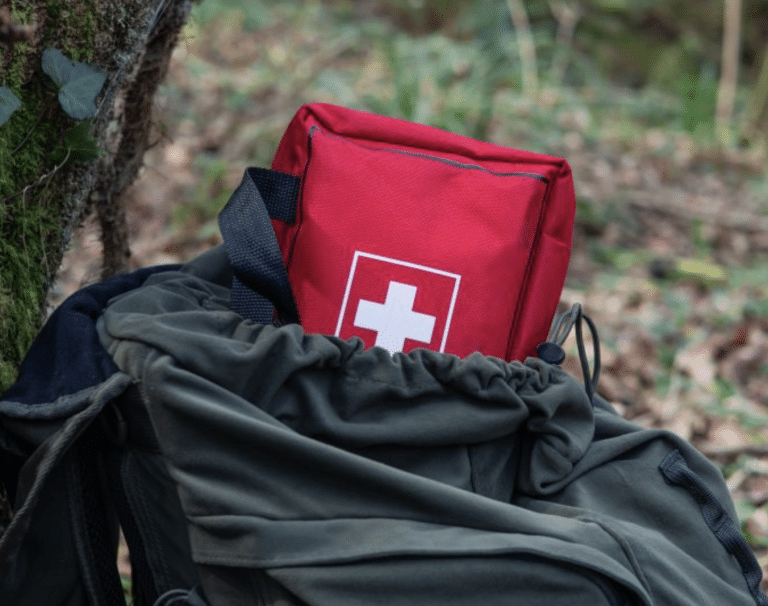
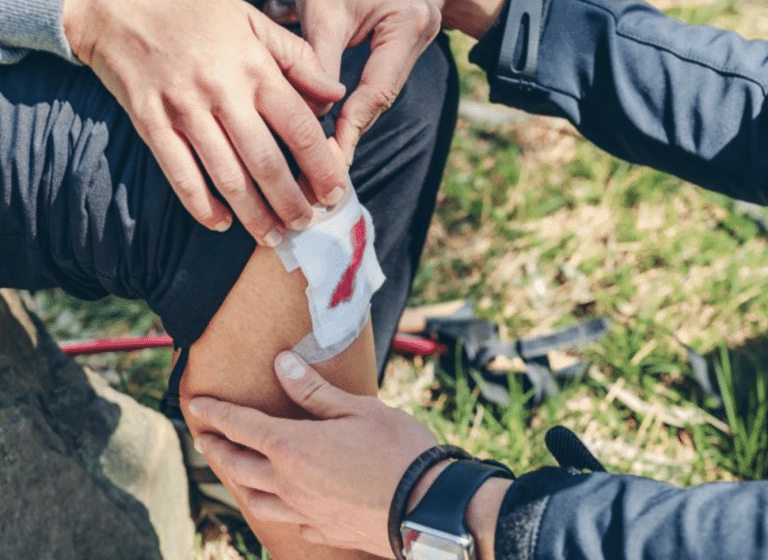
I covered this in more depth in my general overview of wilderness first aid basics, but the short version is that early recognition and prompt action, getting warm, dry, and out of wind, make a real difference in outcomes, while waiting until symptoms are severe narrows your options considerably.
Food and Hydration’s Role in Staying Warm
The body generates a meaningful amount of heat through digestion and metabolism, which means adequate food intake directly affects your ability to stay warm in cold conditions. This is easy to overlook, since appetite sometimes decreases in cold weather even as caloric needs actually increase due to the body working harder to maintain temperature.
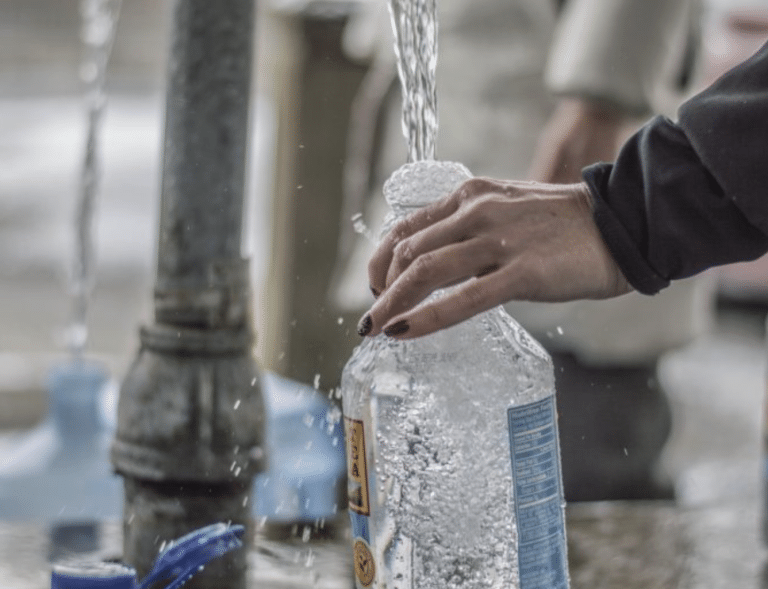
Staying hydrated matters too, dehydration affects circulation in ways that can worsen cold sensitivity in extremities specifically. I make a point of eating and drinking on a schedule during cold weather activities rather than waiting for hunger or thirst cues that might be muted by the cold itself.
Reading Weather Conditions Before You’re Already Cold
Understanding how wind chill and changing conditions affect actual felt temperature, beyond just the air temperature reading, matters a lot for cold weather planning. I’ve written more broadly about developing this kind of weather-reading intuition, and it applies directly here, a forecast temperature alone doesn’t tell the whole story once wind and exposure are factored in.
Check wind chill specifically, not just air temperature, when planning any cold weather activity, and build in more margin for error than you think you need. Conditions that feel manageable in a car on the way to a trailhead can feel very different an hour into an exposed, windy trail.
Final Thoughts
Staying warm in cold conditions comes down to a handful of core principles, understanding how heat is actually lost, layering with function in mind rather than just bulk, protecting extremities specifically, insulating from the ground and not just the air, and paying attention to food and hydration alongside clothing. None of these individually are complicated, but missing even one can undermine an otherwise solid cold weather plan.
If you’re new to cold weather outdoor activities, I’d start by practicing this system on lower-stakes, shorter outings before committing to something longer or more remote. Cold weather punishes small mistakes more severely than mild weather does, and building genuine confidence in your own system before you’re depending on it fully is worth the extra practice time.