The Camp Kitchen System That Finally Made Cooking Outside Easy
For years, cooking at camp meant digging through a disorganized tote at every meal, half-remembering what I’d packed and improvising the rest. It worked, technically, but it also meant every meal took longer than it needed to and I inevitably forgot something important at least once per trip. A few seasons ago I finally sat down and actually built a system instead of just throwing gear in a bin and hoping for the best.
What follows is that system, the actual setup I use now on every camping trip, from car camping to more minimal backcountry trips where I scale it down. It’s not the only way to organize a camp kitchen, but it’s the one that’s worked well enough for me to stop tinkering with it, which for someone who used to change his packing list every trip is saying something.
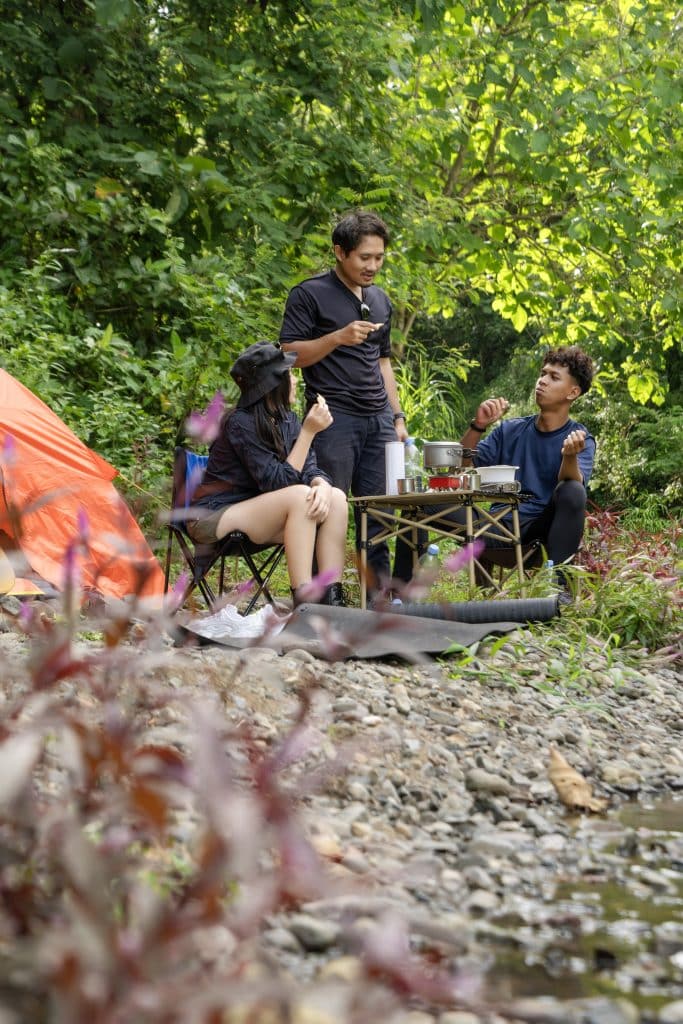
The Core Idea: Modules, Not One Big Pile
The biggest shift for me was moving away from one large tote holding everything and instead breaking the kitchen into a few smaller, purpose-specific modules. Each module handles one function, cooking, food storage, cleanup, condiments, and can be grabbed independently depending on what a given meal actually requires.
This matters more than it sounds like it would. When everything’s in one bin, you end up digging through cookware to find a spice, or moving cleanup supplies out of the way to get to food. Separating things by function means you grab exactly what you need for a given task and nothing else gets disturbed.
Module One: The Cook Set
This is the smallest module and the one I use at nearly every meal, a compact stove, a single quality pan, a pot for boiling water, and basic utensils (a spatula, tongs, a stirring spoon). I keep this together in its own bag, separate from everything else, so it’s the first thing I grab regardless of what I’m actually cooking.
I’ve found that resisting the urge to pack multiple pans or a bigger cook set actually improves the cooking experience, since a smaller kit forces simpler meal planning that works better with limited camp conditions anyway. One good pan does more work than three mediocre ones you end up not using.
Module Two: Food Storage and Organization
Food gets sorted into labeled containers or bags by meal, breakfast, lunch, dinner, snacks, rather than by ingredient type. This means grabbing the “dinner” bag gets you everything needed for that meal in one motion, instead of pulling ingredients from five different spots.
I prep this at home before the trip, chopping vegetables, portioning proteins, and pre-measuring anything that needs specific amounts. It takes maybe twenty extra minutes before leaving, and it saves far more than that across the actual trip, especially at meals where everyone’s hungry and patience is limited.
Module Three: Cleanup Kit
A small, dedicated bag with biodegradable soap, a scrub brush or sponge, a couple of towels, and a basin or collapsible sink covers cleanup for the whole trip. Keeping this separate from the cook set means cleanup supplies aren’t mixed in with food-prep tools, which matters both for organization and basic food safety.
I’ve also started packing a mesh bag specifically for drying dishes after washing, hung from a tree or the site’s clothesline if there is one. It’s a small addition, but it keeps dishes from sitting wet in a bin and picking up dirt or bugs before the next meal.
Module Four: Condiments and Seasonings
A small, dedicated pouch with the seasonings and condiments I actually use, not a full spice rack, just the handful that cover most camp meals. I’ve settled on a short list over the years: salt, pepper, a general all-purpose seasoning blend, garlic powder, and a couple of hot sauce packets.
Small refillable containers work better here than bringing full-size bottles, both for space and weight. This module rarely needs restocking between trips, so it mostly just lives packed and ready in my camping gear year-round.
Setting Up at the Campsite
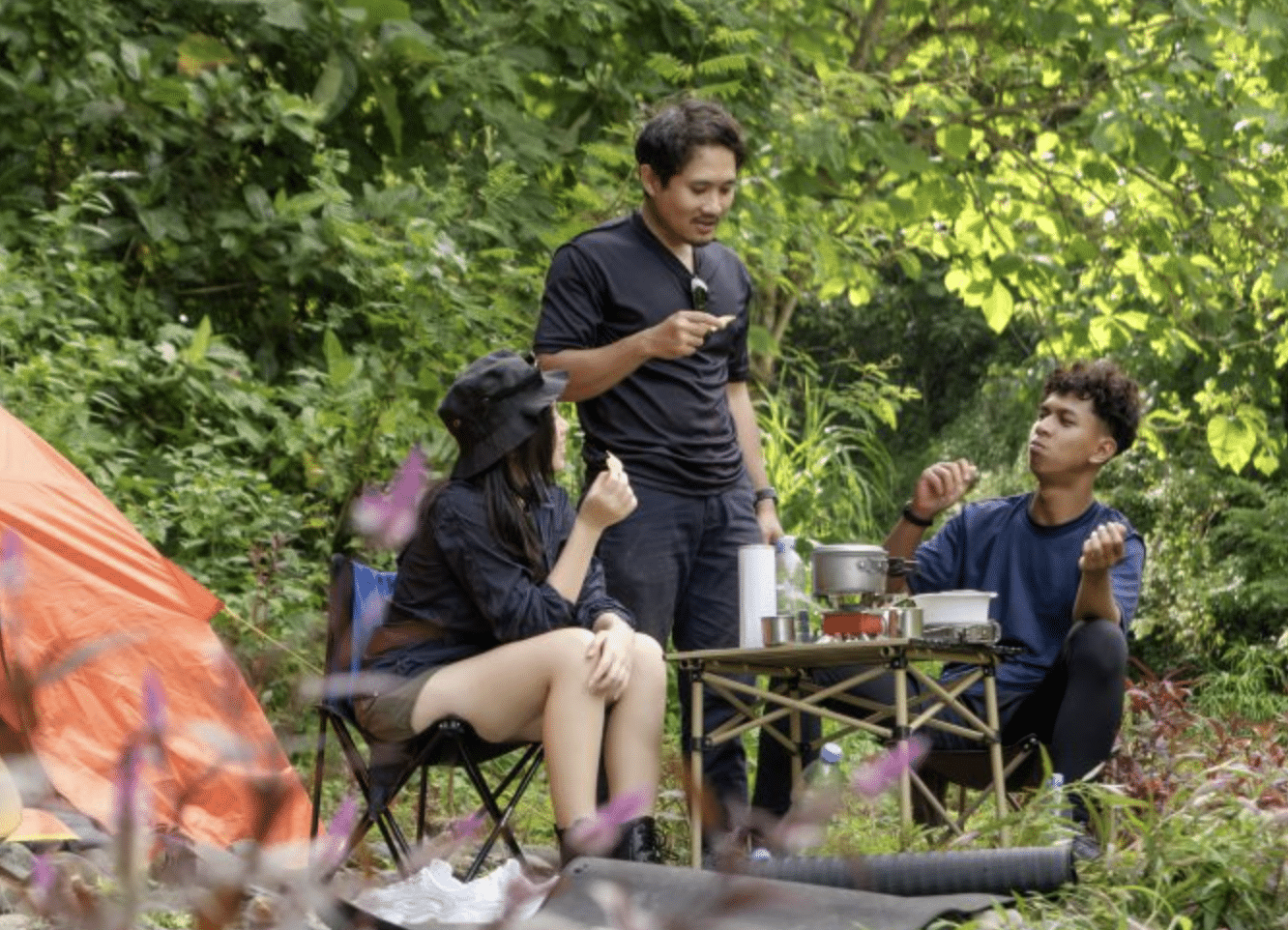
Once at the site, I set up a simple work triangle, similar in concept to a home kitchen layout, with the cook set, food storage, and cleanup station arranged so I’m not walking back and forth constantly during meal prep. A folding table or a large flat rock works fine as the base surface if the site doesn’t have a designated cooking area.
I keep the cleanup station slightly separate from the actual cooking area, both for practical workflow reasons and because it keeps food prep further from where dirty water and scraps accumulate. This small bit of intentional layout makes a bigger difference than I expected the first time I actually tried it instead of just setting up wherever there was open space.
What’s Actually in Each Module
People ask me for specifics more than anything else when I talk about this system, so here’s roughly what’s in each bag at the moment. This isn’t a prescription, your version should reflect your own cooking style and trip type, but it’s a real starting point rather than a vague concept.
| Module | Core Contents | Approx. Weight |
|---|---|---|
| Cook Set | Compact stove, one pan, one pot, spatula, tongs, stirring spoon, lighter | 2-3 lbs |
| Food Storage | Labeled meal bags, a small cutting board, one knife, reusable containers | Varies by trip length |
| Cleanup Kit | Biodegradable soap, scrub sponge, two towels, collapsible basin, mesh drying bag | 1-2 lbs |
| Condiments | Salt, pepper, all-purpose seasoning, garlic powder, hot sauce packets, small oil bottle | Under 1 lb |
I keep a laminated version of this table taped inside my kitchen tote lid, so I can do a quick visual check before leaving that every module is actually in the bag. It’s a small thing, but it’s caught more than one forgotten item over the years, usually the cleanup kit, which somehow ends up left behind more than anything else.
Scaling It Down for Backpacking
The full four-module system works great for car camping, where weight isn’t a huge concern, but it’s overkill for a backpacking trip where every ounce matters. For those trips, I collapse everything into a single, much smaller kit rather than four separate bags.
The backpacking version keeps the same logic, cooking, food, cleanup, seasoning, just consolidated into far fewer items. One pot that doubles as a bowl, a single spork instead of a full utensil set, a tiny squeeze bottle with a pre-mixed all-purpose seasoning instead of four separate containers, and a small strip of biodegradable soap instead of a full bottle. Food storage shrinks down to a single dry bag with meals already portioned into individual pouches before the trip.
The mental shift that made this work for me was accepting that the backpacking kitchen isn’t a smaller version of the car camping one, it’s a genuinely different kit built around a different set of constraints. Trying to just remove items from the full system until it’s light enough tends to leave gaps, since the two setups are solving different problems.
Seasonal Adjustments Worth Making
The system stays the same year-round, but the specific contents shift a bit with the seasons, and I’ve learned to actually update the kit rather than running the same setup regardless of when I’m heading out.
Summer: I lean toward meals that need less active cooking time, since standing over a hot stove in already-warm weather is unpleasant. I also add extra water storage to the food module, since hydration needs go up a fair amount in summer heat.
Shoulder season (spring and fall): This is when I most appreciate the Dutch oven addition to the cook set, since slower, warmer meals feel a lot better once evening temperatures start dropping. I also pack a backup fire-starting method in this module specifically, since damp conditions are more common in these seasons.
Winter: Cold weather changes cooking in ways that catch people off guard the first time, fuel canisters perform worse in the cold, water takes longer to boil, and hands get clumsy handling small items. I switch to a stove better rated for cold performance, and I pack simpler meals that require fewer small steps to prepare with gloved hands.
Common Problems This System Solves, and a Few It Doesn’t
I want to be honest that this system isn’t magic, it solves specific problems well and doesn’t really address others. It’s genuinely fixed the “digging through everything to find one item” problem, and it’s made packing up at the end of a trip noticeably faster, since each module just goes back in its own bag rather than needing to be sorted.
What it doesn’t solve is meal planning itself, you still need to actually decide what you’re cooking and make sure the food module has what those meals require. I’ve found that pairing this system with a simple written meal plan for the trip, even just a rough one, matters as much as the physical organization itself. A perfectly organized kitchen with the wrong food in it doesn’t help much.
Maintaining the System Between Trips
The system only stays useful if it actually gets reset properly after each trip, and this is the part I was worst at for a long time. Dirty cook sets got tossed back in storage, condiments ran out without getting refilled, and I’d discover the gaps the next time I was already at a campsite.
I now do a fifteen-minute reset within a day or two of getting home from every trip, wash and dry the cook set fully before storing it, check and refill the condiment module, and do a quick inventory of the cleanup kit. This single habit is probably responsible for more of this system’s success than the actual organizational structure itself, since even the best system falls apart if it’s not maintained consistently between uses.
Why This System Actually Stuck
I’ve tried a handful of organizational systems over the years, and most of them fell apart after a trip or two because they were more complicated to maintain than the mess they were solving. This one’s worked because each module is self-contained and genuinely quick to restock after a trip, wash the cook set, refill condiments if needed, and it’s ready to go again without a full rebuild.
If you’re currently working out of one disorganized bin the way I used to, I’d recommend trying this modular approach on your next trip, even in a scaled-down version. It’s less about the specific gear and more about the structure, and once that structure’s in place, cooking at camp stops feeling like a chore and starts feeling like just another part of the trip worth enjoying.