The Real Bug-Out Bag: What I Actually Pack and Why
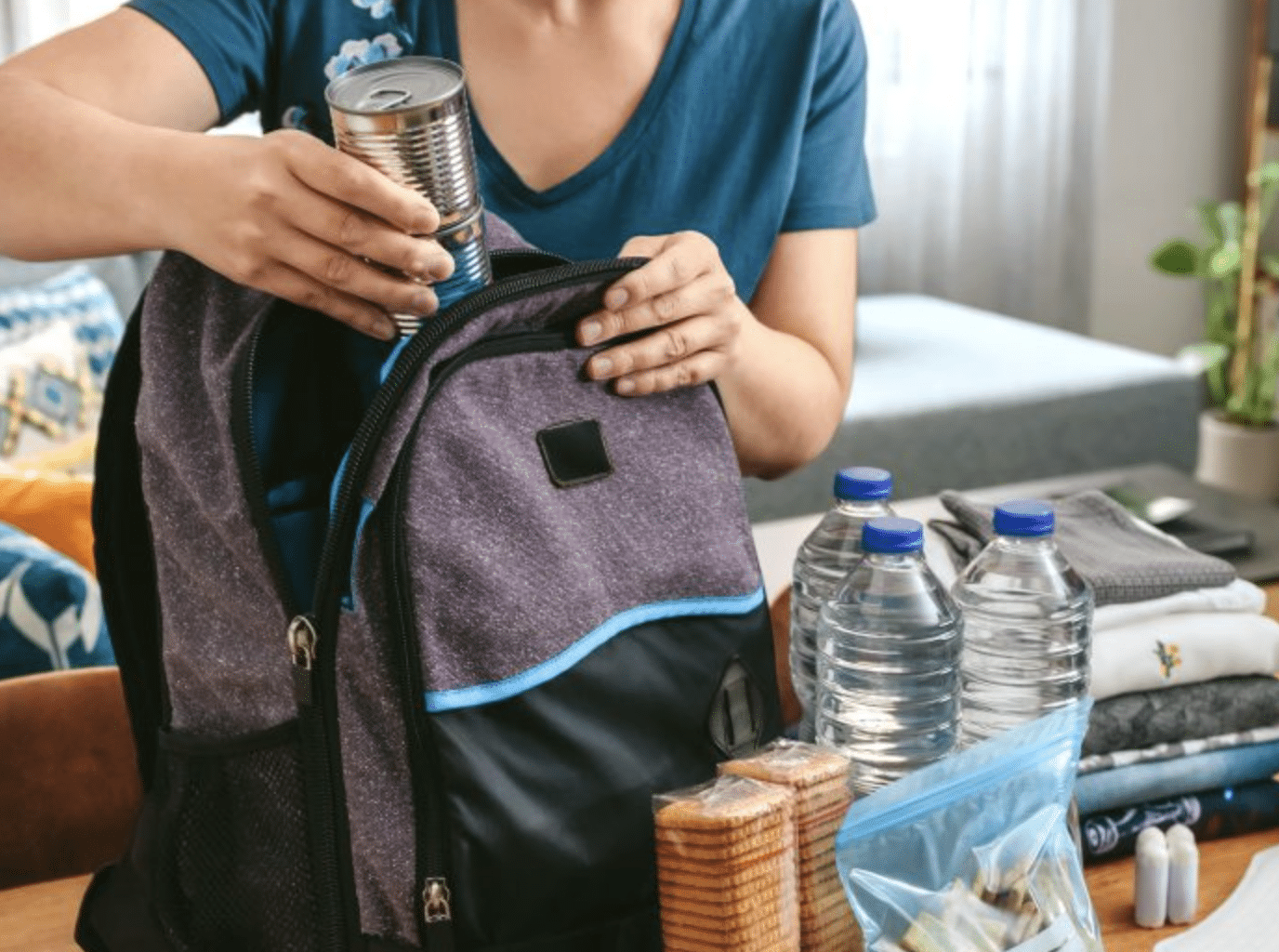
The term “bug-out bag” tends to conjure up an image of doomsday prepping, and I think that framing scares a lot of reasonable people away from what’s actually a pretty practical idea, a single, ready-to-grab bag with what you’d need to leave home quickly in an emergency. This isn’t about preparing for some extreme, unlikely scenario. It’s about having a sensible response ready for the kind of things that genuinely do happen, evacuation orders ahead of a storm, a wildfire moving faster than expected, a situation where leaving fast matters more than packing carefully.
I built my own version of this bag a few years back after a regional evacuation scare made me realize I had no actual plan beyond grabbing my phone and running. What follows is what I actually pack now, and the reasoning behind each category, since I think the reasoning matters more than any specific product recommendation.
The Core Principle: Grab and Go, Not Pack and Plan
The entire point of this bag is that it’s already packed and ready before you ever need it, sitting in a consistent, known location so grabbing it doesn’t require any thought or decision-making in a stressful moment. If you’re standing there trying to figure out what to pack while an emergency is actively unfolding, the whole concept has already failed.
I keep mine in a front closet, always in the same spot, and I check it every few months to rotate out anything that expires or needs updating. The location matters almost as much as the contents, since a great bag you can’t find quickly isn’t actually useful.
Documents and Information
This is the category I think gets underemphasized in a lot of prepping content, which tends to focus heavily on physical survival gear. I keep copies of important documents, identification, insurance information, emergency contacts, in a waterproof pouch inside the bag, since replacing these after an emergency is often more difficult and stressful than the emergency itself.
I also keep a small amount of cash in here, since power outages or system disruptions can make cards temporarily unusable exactly when you’d need to buy something. This is a detail that’s easy to forget until you actually need it and realize your cards aren’t working.
Water and Basic Hydration
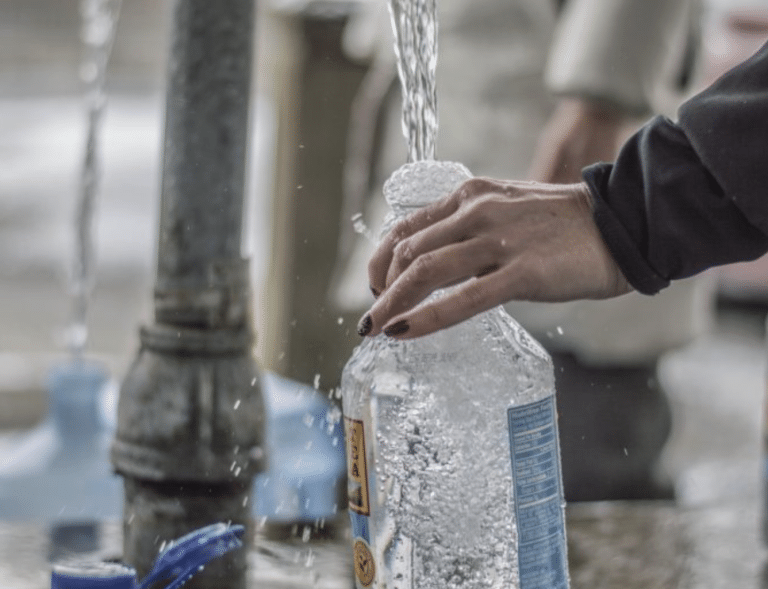
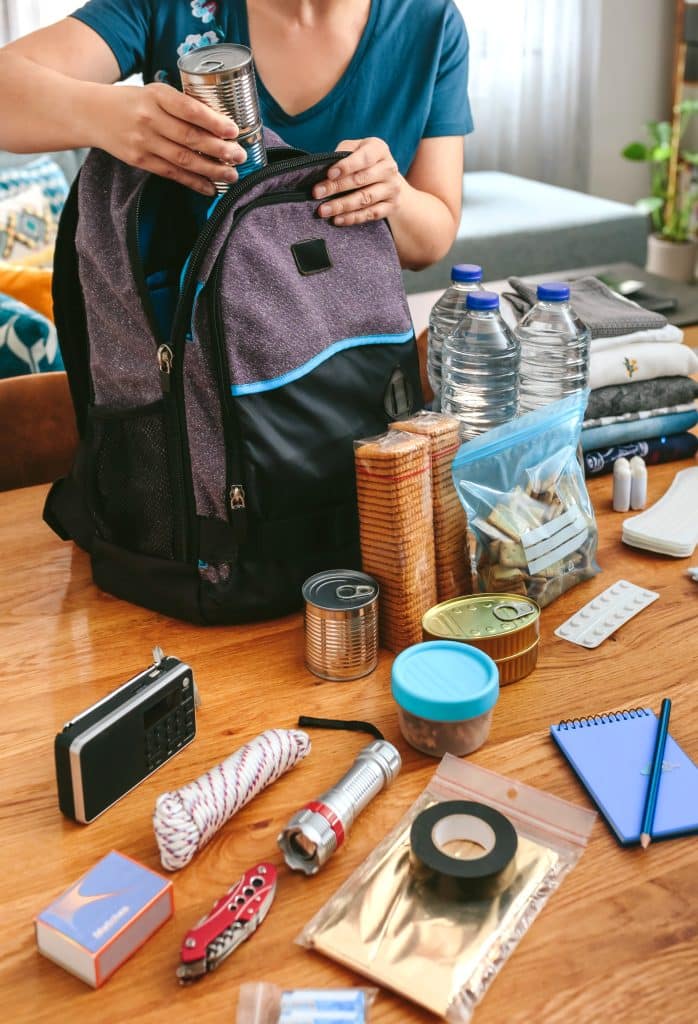
I pack enough water for roughly the first day, along with a portable filter for anything beyond that, rather than trying to pack multiple days of water weight, which would make the bag impractically heavy to actually carry. The filter covers longer-term needs without the bag becoming unmanageable.
A couple of collapsible water containers pack down small when empty and give you more capacity if you do find a safe water source along the way. This is a lesson I picked up after realizing my first version of this bag was carrying way more water weight than made sense for something meant to be grabbed and carried quickly.
Food
Similar to water, I keep roughly a day or two of high-calorie, non-perishable food, energy bars, nuts, that kind of thing, rather than trying to pack for an extended period. The goal here isn’t self-sufficiency for weeks, it’s bridging the gap until you’re somewhere with better resources.
I rotate this food every six months or so, since a lot of it has a shelf life shorter than you’d expect for “emergency” food. Setting a calendar reminder for this rotation has saved me from discovering expired supplies at exactly the wrong moment.
Basic First Aid
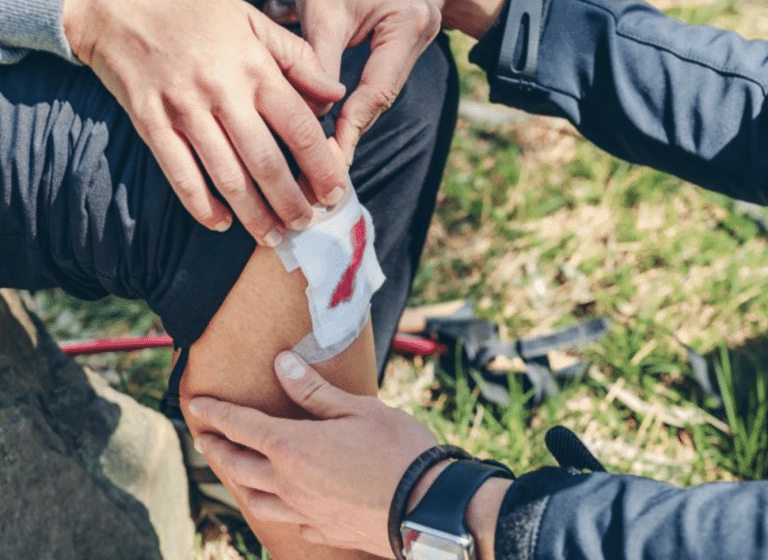
A compact first aid kit, similar to what I’d pack for a day hike, covers the kind of minor injuries that are actually likely during an evacuation or emergency situation. I don’t go overboard here, since a bag this size isn’t meant to replace a full medical kit.
I include any personal medications I’d need for a few days, kept current and rotated regularly. This is a category worth reviewing periodically as personal medical needs change over time.
Light, Communication, and Power
A headlamp with extra batteries, a portable phone charger, and a small battery-powered or hand-crank radio cover the basics of staying informed and visible if you’re moving in low-light conditions or dealing with a power outage. Communication matters as much as physical survival gear in most realistic emergency scenarios.
I keep the portable charger topped off and check it during my periodic bag review, since a dead backup charger defeats the purpose entirely. This is one of the easier items to forget to maintain since it doesn’t have an obvious expiration date the way food does.
Clothing and Weather Protection
A basic change of clothes, appropriate for the climate I actually live in, along with a compact rain layer, covers a realistic range of conditions without adding excessive bulk. I don’t pack for every possible season, just what’s realistic for where I actually live and the kind of emergencies most likely to happen here.
I swap this clothing seasonally, since what’s appropriate in summer isn’t what I’d want in winter. This is one of the categories that benefits most from the periodic review habit, since seasonal needs shift throughout the year.
Basic Tools
A multi-tool, some cordage, and a small amount of duct tape cover a wide range of unexpected small problems without adding much weight. This is a smaller, more limited version of what I’d pack for a longer camping trip, scaled down to match the bag’s actual purpose.
I’ve resisted the urge to add specialized tools I don’t have practiced skill using, since unfamiliar gear tends to just add weight without adding real capability. Simplicity here has served me better than trying to cover every conceivable scenario.
Choosing the Bag Itself
I don’t think enough bug-out bag content actually talks about the bag as its own decision, most of it jumps straight to contents. The bag itself matters, since the wrong one undermines the whole grab-and-go concept even if everything inside it is well thought out.
I look for a few specific things: a bag sized to actually carry comfortably for a few hours of walking if driving isn’t an option, sturdy enough construction to handle being grabbed quickly and possibly used in rough conditions, and a color or style that doesn’t scream “emergency supplies” to anyone who might see you carrying it. That last point matters more than people initially think, drawing unwanted attention during a chaotic situation isn’t something you want from your own gear.
A backpack style, rather than a duffel or rolling bag, has worked best for me specifically because it keeps your hands free, which matters if you’re also managing kids, pets, or other people during an actual evacuation. I’d steer away from anything that requires two hands to carry comfortably.
A Full Packing Checklist
I’ve referenced categories throughout this guide, but here’s the fuller checklist I actually use during my periodic reviews, organized by category for a quick scan.
| Category | Items |
|---|---|
| Documents | ID copies, insurance info, emergency contacts, small cash reserve |
| Water | One day of water, portable filter, collapsible containers |
| Food | One to two days of high-calorie, non-perishable food |
| First Aid | Compact kit, personal medications, allergy or condition notes |
| Light and Power | Headlamp, extra batteries, portable charger, hand-crank or battery radio |
| Clothing | One change of clothes suited to your climate, compact rain layer |
| Tools | Multi-tool, cordage, duct tape |
I keep a laminated copy of a checklist like this taped to the inside of the closet where the bag lives, and I physically check off each category during my review rather than relying on memory. This has caught more gaps than I expected the first few times I actually did it properly instead of just eyeballing the bag.
What About the Rest of the Household
I get asked fairly often whether everyone in a household needs their own separate bag, and my honest answer is that it depends on your specific situation, but I lean toward yes for anyone old enough to reasonably carry and use one. A shared single bag creates a bottleneck if the household needs to split up or move quickly in different directions, which does happen in some evacuation scenarios.
For younger kids who can’t reasonably carry their own full bag, I’d still suggest a small version with a few comfort items and anything specific to their needs, rather than assuming an adult’s bag can just cover everything for the whole family. This is also a reasonable way to involve kids in understanding the family’s emergency plan without making it feel frightening, framing it more as being prepared than as something scary.
For pets, a separate small kit with food, any medications, and basic supplies specific to the animal is worth keeping alongside the household’s bags, since this is easy to forget in the moment if it’s not already packed and ready.
Signs It’s Time to Reassess the Whole Bag, Not Just Restock It
Beyond the routine restocking I do every few months, I’ve learned there are certain life changes that call for rethinking the bag’s contents more fundamentally rather than just swapping expired items for fresh ones. A move to a new climate or region changes what realistic emergencies actually look like, and a bag built around wildfire evacuation doesn’t necessarily serve someone who’s moved somewhere with a very different set of risks.
Changes in household composition, a new child, a pet, an aging family member with different needs, are also worth treating as a full reassessment trigger rather than a routine restock. I try to do a genuine from-scratch review, not just a restock, roughly once a year, and any time one of these bigger life changes happens.
What I Deliberately Leave Out
I think it’s worth being honest about what I don’t include, since a lot of bug-out bag content online leans toward extensive, heavy setups that I don’t think reflect a realistic use case for most people. I don’t pack weapons, elaborate long-term survival gear, or supplies meant for weeks of full self-sufficiency, since my actual goal is bridging a short gap, not preparing for an extended isolated survival scenario.
This is a personal call based on my own situation and what I think is actually likely to happen versus what makes for dramatic prepping content. Your own version of this bag should reflect your actual circumstances, location, family situation, realistic local risks, rather than a generic list built for a worst-case scenario that may not reflect your reality at all.
A Final Note on Actually Maintaining It
The bag itself is only useful if it’s actually kept current, and I’ll admit my own review habit slipped for a while before I set an actual recurring calendar reminder to check it every few months. Food expires, batteries die, seasonal clothing needs change, and a bag that was well-packed a year ago isn’t necessarily still ready to go today.
If you’re building your own version of this, I’d recommend setting that recurring reminder from day one, rather than assuming you’ll remember on your own. It’s a small habit that makes the difference between a bag that’s actually ready when you need it and one that just looks ready sitting in the closet.