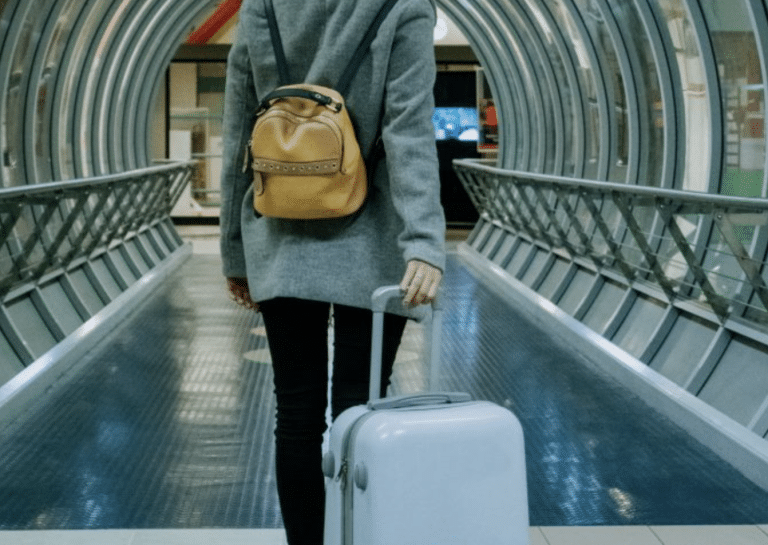
The Carry-On Only Method: How I Pack for Any Trip Under a Week
I used to check a bag for pretty much every trip, even short ones, mostly out of habit rather than actual necessity. Somewhere over the last several years I shifted to packing carry-on only for anything under a week, and I’ve genuinely never gone back. It took a bit of trial and error to figure out a system that actually works consistently, rather than just getting lucky on a few trips with minimal needs.
What follows is the actual method I use now, built up over enough trips that I’ve stopped tinkering with it much. It’s not the only way to pack light, but it’s the one that’s worked reliably enough that I don’t think about it much anymore, which for someone who used to overpack constantly is a genuine change.
The Core Rule: One Bag, One System, Every Trip
The foundation of this whole approach is using the same bag and the same general packing system every single time, rather than reinventing the process for each trip. Familiarity with your own system means less decision fatigue and fewer forgotten items, since you’re following a routine rather than starting from scratch.
I use the same carry-on-sized bag for basically every trip under a week now, regardless of destination or season, just adjusting the specific contents. This consistency alone has probably done more for my packing efficiency than any specific technique on this list.
Clothing: The 5-3-2-1 Approach
I’ve settled on a rough clothing formula that covers most trip types without overthinking it every time: five tops, three bottoms, two pairs of shoes including what I’m wearing, and one layer piece like a light jacket or sweater. This flexes slightly based on trip length and climate, but it’s my starting point for nearly every trip.
The key to making this work is choosing versatile pieces that mix and match across multiple outfit combinations, rather than packing a specific outfit for each day. A handful of neutral, coordinating pieces truly covers more ground than people expect once you actually plan it out this way.
Rolling, Not Folding
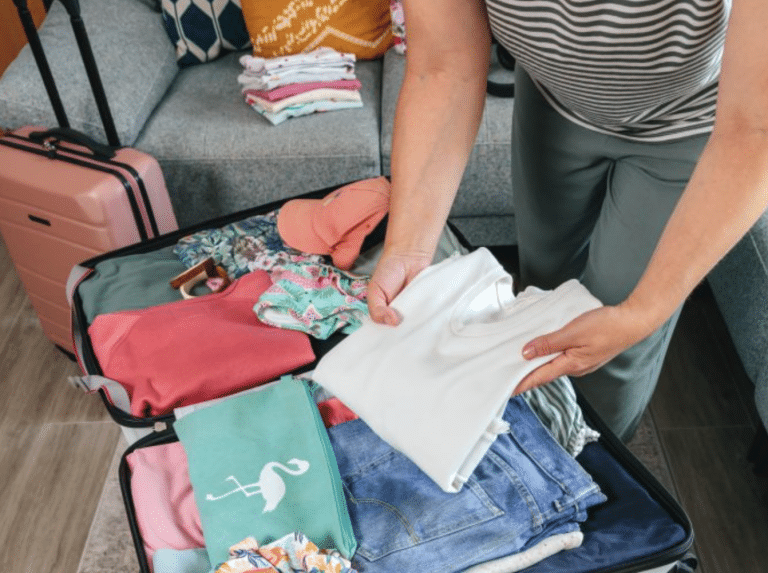
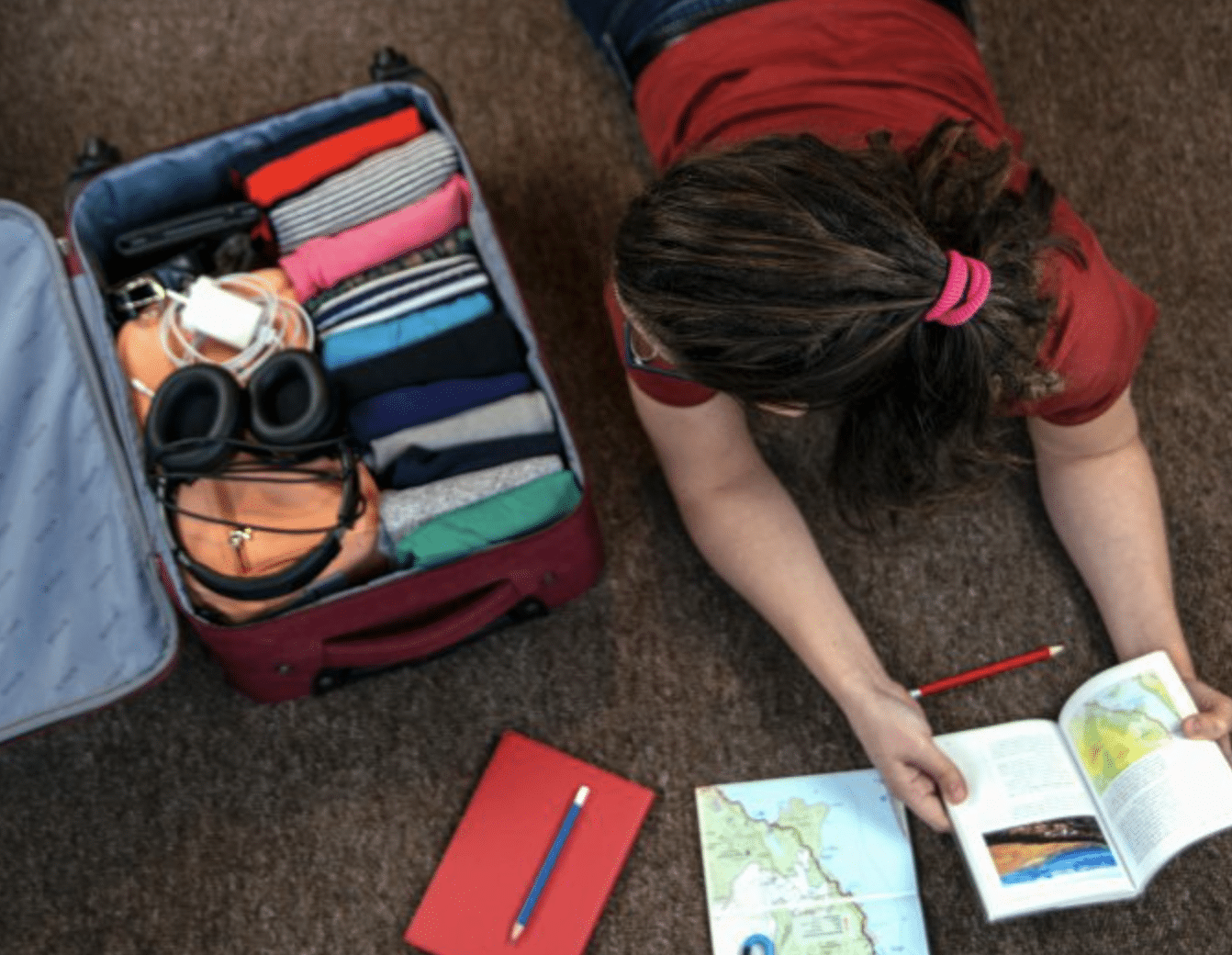
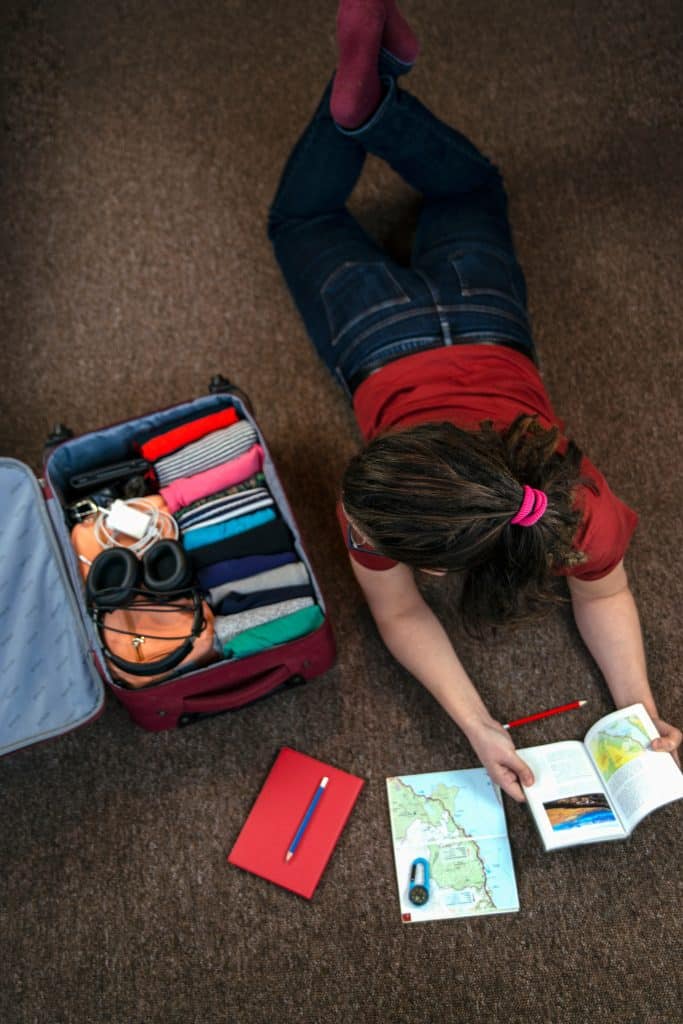
I roll almost everything now rather than folding flat, which both saves space and makes it much easier to see and access individual items without unpacking the whole bag to find one thing. This took some getting used to, but it’s become second nature at this point.
I use a couple of packing cubes to separate categories, tops in one, bottoms in another, which keeps things organized even as I dig through the bag over the course of a trip. This system means I’m not repacking chaos back into a suitcase every morning, which used to be one of my bigger travel annoyances.
Toiletries: Minimal and Multi-Purpose
I’ve cut my toiletry bag down substantially over the years, focusing on multi-purpose products where possible and travel-size everything. A bar of soap that works for both body and hair, for example, saves real space compared to carrying separate products for each.
I keep a permanently packed toiletry bag with travel-size items, refilled as needed between trips rather than assembled fresh each time. This alone saves a meaningful amount of pre-trip prep time, since I’m not gathering products from scratch before every single trip.
Electronics: One Bag, Fully Charged
I keep all my electronics and their chargers in a single dedicated pouch, packed the same way every trip, so I’m never searching for a specific cable at the last minute. Everything gets charged the night before departure as a standing habit, not something I think about fresh each time.
A single multi-port charger handles most of my devices at once, which has meaningfully reduced the number of individual chargers and cables I used to carry. This is one of the areas where consolidating gear made the biggest practical difference in my overall bag size.
The Wear-the-Bulkiest-Items Trick
Whatever the bulkiest items in my packing list are, generally my jacket and heaviest shoes, I wear those on travel days rather than packing them. This single habit frees up more suitcase space than almost any other individual packing decision.
It feels slightly excessive dressing this way for an airport, but the space savings are real and consistent enough that I do it on every trip now regardless of how it looks. This is a small trade-off of comfort for practicality that’s truly worth making.
Laundry as Part of the Plan, Not an Afterthought
For trips longer than about four or five days, I plan around doing a small amount of laundry partway through rather than packing enough clothing for every single day. Many hotels and rentals offer at least basic laundry access, and even a sink wash for a couple of items can extend how long a smaller packing list actually lasts.
I pack a small travel-size laundry detergent packet specifically for this purpose on longer trips. This single adjustment in mindset, planning around laundry rather than avoiding it, has probably done more to keep my bag small on longer trips than any specific packing technique.
What I’ve Learned to Actually Leave Behind
Over enough trips, I’ve built a mental list of items I used to pack “just in case” that I’ve stopped bringing entirely, since I actually never used them. Extra shoes beyond my two-pair rule, a backup outfit for a specific unlikely scenario, and multiple redundant electronics chargers were the biggest offenders in my old packing habits.
Being honest with yourself about what you actually use on past trips, rather than what feels responsible to pack “just in case,” is probably the single biggest mental shift required to make carry-on-only travel work consistently. It took me a few trips of reviewing what I never touched in my bag to actually internalize this.
Adjusting the Formula for Climate and Trip Type
The 5-3-2-1 formula is a starting point, not a rigid rule, and I do adjust it depending on where I’m actually going and what I’ll be doing there. For a business-focused trip, I might swap one of the tops for a layer that dresses up more easily, a blazer or a button-up that works for both daytime and an evening dinner. For a trip with a heavier outdoor or activity component, I’ll shift toward more moisture-wicking fabrics and drop one of the “regular” tops in favor of a specific activewear piece.
Cold-weather trips are where the formula gets tested the most, since bulky layers eat space fast. For these, I lean on a base layer and mid layer system rather than one bulky sweater, since thinner layered pieces pack down smaller than a single heavy item while still providing similar warmth. I also drop down to just one pair of shoes for very cold trips, prioritizing a single genuinely versatile boot over trying to fit multiple pairs.
A Packing List Template I Actually Reuse
Rather than building a packing list from scratch every trip, I keep a saved template on my phone that I duplicate and adjust for each specific trip. Having this starting point removes a surprising amount of the friction that used to make packing feel like a chore.
| Category | Base Quantity | Notes |
|---|---|---|
| Tops | 5 | Mix and match, neutral colors preferred |
| Bottoms | 3 | Include at least one that dresses up |
| Shoes | 2 pairs | One worn while traveling |
| Layer piece | 1 | Jacket or sweater, worn while traveling if bulky |
| Toiletries | 1 kit | Permanently packed, refilled between trips |
| Electronics pouch | 1 | Permanently packed, refilled only for trip-specific items |
| Documents | 1 pouch | Passport, ID, any printed confirmations |
I duplicate this template a few days before each trip and cross off or add items as needed, rather than starting with a blank list. This alone has cut my actual pre-trip packing time down to well under an hour for most trips, compared to what used to be a much longer, more stressful process.
Handling the Exceptions
Not every trip fits neatly into this system, and I’ve learned to recognize the specific situations where I deliberately deviate from it rather than forcing a carry-on-only approach that doesn’t fit. Trips involving specialized gear, certain outdoor activities, formal events requiring specific attire, or colder climates than my base system accounts for sometimes genuinely need a checked bag, and I don’t treat that as a failure of the system.
The goal isn’t dogmatic adherence to carry-on-only travel in every circumstance, it’s having a reliable default that covers the majority of trips so that packing isn’t a fresh decision-making exercise every single time. Recognizing the genuine exceptions, rather than trying to cram a trip that doesn’t fit into an ill-suited system, has actually made me trust and use the core system more consistently for the trips where it does apply.
A Final Note on Why This Matters to Me
Beyond the practical benefits, avoiding checked bag fees, skipping baggage claim, moving faster through the airport overall, I think there’s something freeing about traveling with less. It forces a kind of intentionality about what actually matters for a trip, and I’ve found I enjoy the actual travel experience more when I’m not managing a bulky, overpacked bag the whole time.
If you’re used to checking a bag for every trip, I’d encourage trying this approach on a shorter, lower-stakes trip first, rather than attempting it for the first time on something longer or more complicated. Once the system clicks, and it does take a trip or two to feel natural, I don’t think you’ll want to go back to checking a bag for a trip under a week.