How to Build a Reliable Emergency Water Supply at Home
I used to think emergency water prep meant grabbing a case of bottled water off a shelf during a storm warning, which is roughly how most people approach it right up until they actually think it through. A genuine emergency water supply is less about a last-minute grocery run and more about a system you build once and maintain with minimal ongoing effort, so it’s actually there when you need it rather than something you’re scrambling to figure out during an actual crisis.
This guide covers what I think a reasonable home water supply actually looks like, along with the maintenance habits that keep it usable rather than just technically present in a closet somewhere.
How Much Water You Actually Need
The commonly cited guideline is one gallon per person per day, covering both drinking and basic hygiene needs, and a reasonable target for most households is a minimum three-day supply, though I’d personally lean toward two weeks if storage space allows. This adds up faster than people expect, a family of four at the three-day minimum already needs twelve gallons, and that’s before accounting for pets.
Don’t forget pets in this calculation, they need water too, and their needs are easy to overlook when planning primarily around human household members. I keep a rough written calculation taped inside my storage closet so I’m not doing this math from memory during an actual event.
Storage Container Options
Not all containers are equally suited for long-term water storage, and this is a category where the cheap option can genuinely create problems down the line. Food-grade plastic containers, specifically rated for water storage, are worth the modest extra cost over repurposing containers that previously held something else, since residue or chemical leaching from non-food-grade plastic is a real concern over extended storage periods.
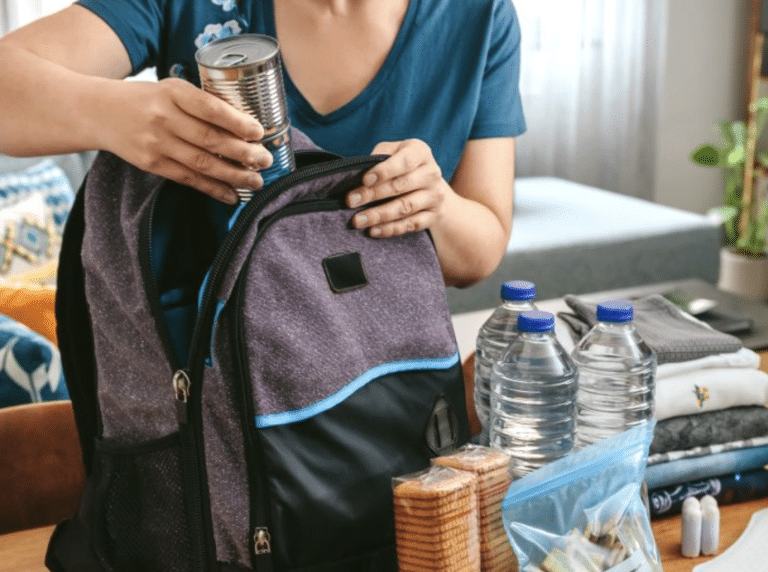
Commercially available water storage containers, sized anywhere from small stackable units to larger barrels, are widely available and designed specifically for this purpose. I use a mix of smaller, more portable containers alongside one larger stationary one, since the smaller containers double as something I can quickly add to a bug-out bag if I need to leave rather than shelter in place.
Where and How to Store It
Water storage location matters more than people initially think. Direct sunlight promotes algae growth even in sealed containers, and extreme temperature swings can degrade plastic containers over time, so a cool, dark location away from direct sun exposure is worth prioritizing over simple convenience.
Elevate containers off a bare concrete floor if possible, since some plastics can interact with concrete over long storage periods, a simple wood pallet or shelf solves this easily. I keep mine in a basement closet specifically chosen for being cool, dark, and out of the way of daily household traffic.
Rotation and Shelf Life
Commercially bottled water typically has a printed expiration date, more related to container degradation than the water itself going bad, and is worth rotating through use before that date passes. Water you’ve stored yourself in food-grade containers, properly treated, can last considerably longer, but I still rotate my full supply roughly once a year as a simple, reliable habit rather than trying to calculate exact safe durations for different storage methods.
Set a recurring calendar reminder for this rotation, the same habit worth building around any wilderness first aid supplies too, since a stored resource that never gets checked or rotated is one you can’t fully trust when you actually need it.
Treating Stored Water Before Filling Containers
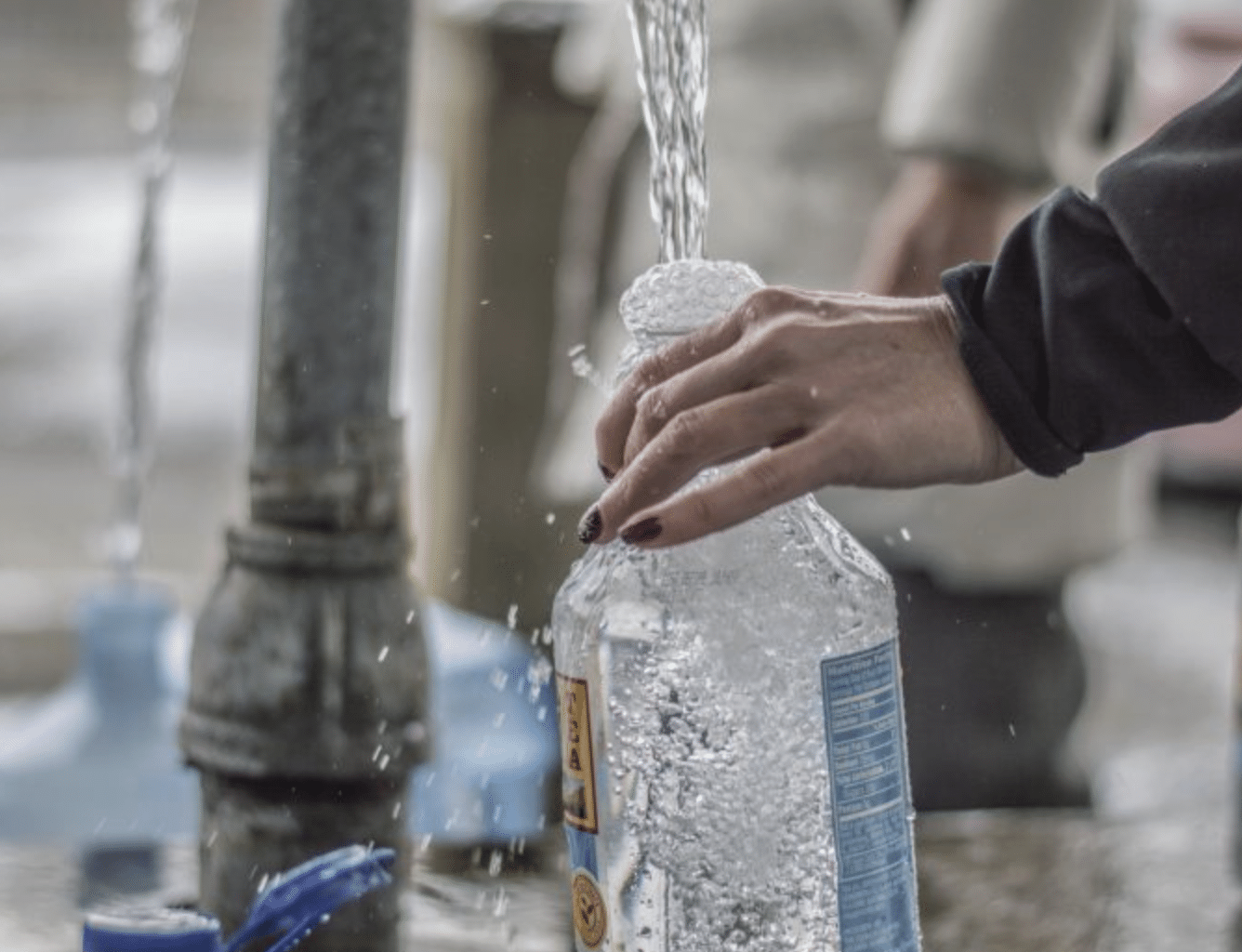
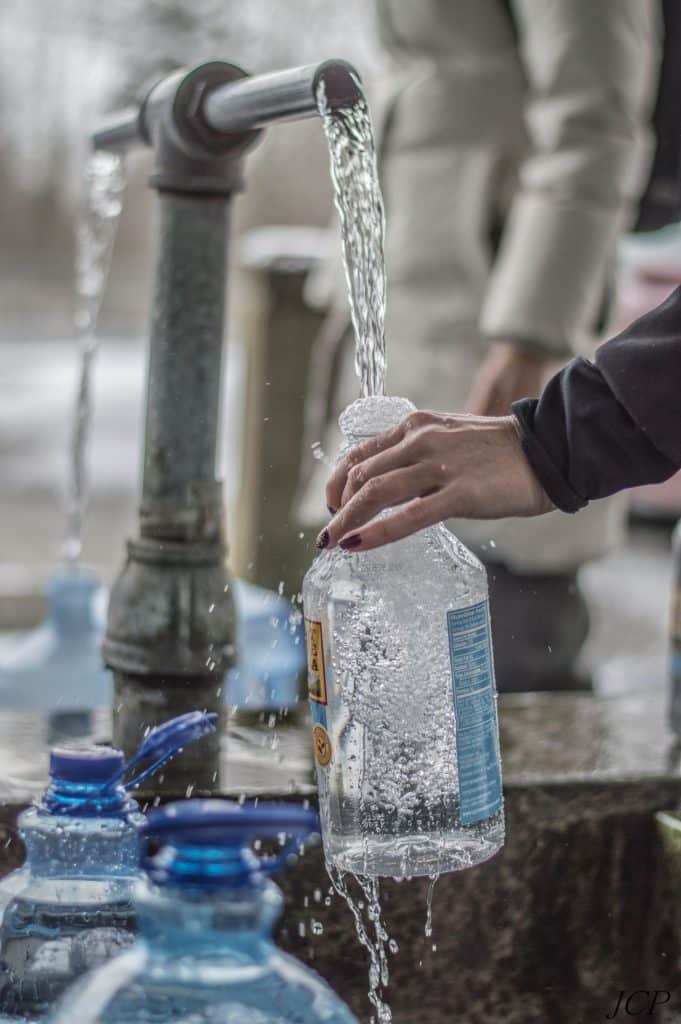
If you’re filling containers yourself from a tap rather than buying pre-sealed bottled water, treating the water before storage adds a meaningful layer of protection against bacterial growth over time. Unscented household bleach, at a specific small ratio per gallon, is a commonly recommended treatment method, though I’d recommend checking current guidance from a reliable source before doing this yourself, since recommended ratios and methods do get updated periodically.
This is a step worth doing carefully and precisely rather than eyeballing it, since both under-treating and over-treating create their own problems. A bit of research before your first fill-up is worth the time investment here.
A Backup Filtration Plan, Not Just Stored Water
Stored water alone has a real limit, eventually a stored supply runs out, and having a plan for filtering or purifying additional water from other sources is worth building alongside your stored supply rather than relying on storage alone. A quality water filter, the same kind I’d recommend packing for a survival kit or a longer backcountry trip, serves double duty as a home emergency backup.
Know in advance what water sources near your home, if any, could realistically be filtered in an emergency, and don’t assume this planning will happen naturally in the moment. This kind of advance thinking is the same principle behind most of the survival myths I’ve written about elsewhere, the gap between owning a tool and actually knowing how and when to use it is where a lot of real problems happen.
Water for Non-Drinking Emergency Needs
Beyond drinking water, a genuine emergency can also disrupt water for basic hygiene, cleaning, and in some cases even flushing toilets if a municipal system is affected. A separate, less strictly treated reserve, stored water that doesn’t need to be potable, covers these secondary needs without eating into your carefully treated drinking supply.
I keep a few large containers specifically designated for this secondary purpose, plainly labeled as non-drinking water, stored separately from my primary treated supply. This distinction matters, since mixing the two systems either wastes your good drinking water on non-essential uses or creates confusion about which containers are actually safe to drink from.
A Simple Household Water Plan Worth Writing Down
Beyond the physical storage itself, I’d recommend writing out a simple, specific plan, how much water you have, where it’s stored, when it was last rotated, and what your backup filtration plan looks like if the stored supply runs low. This doesn’t need to be elaborate, but having it written down rather than held loosely in memory means anyone in the household can find and understand the plan, not just whoever originally set it up.
Keep this written plan somewhere accessible, not buried in the same location as the water itself, in case that specific area becomes inaccessible for some reason. A simple printed page taped inside a kitchen cabinet works fine for most households.
Final Thoughts
A reliable emergency water supply isn’t really a single purchase, it’s a small system that needs periodic attention to actually stay useful, proper containers, a cool dark storage spot, a rotation habit, and a backup filtration plan for anything beyond your stored reserve. None of this is complicated once it’s set up, but it does require actually setting it up rather than assuming a case of water in the garage covers the need.
If you haven’t calculated your household’s actual water needs yet, that’s the place to start, since it’s the number that determines how much storage space and how many containers you’re actually working toward. Everything else in this guide is just the practical detail of getting there.